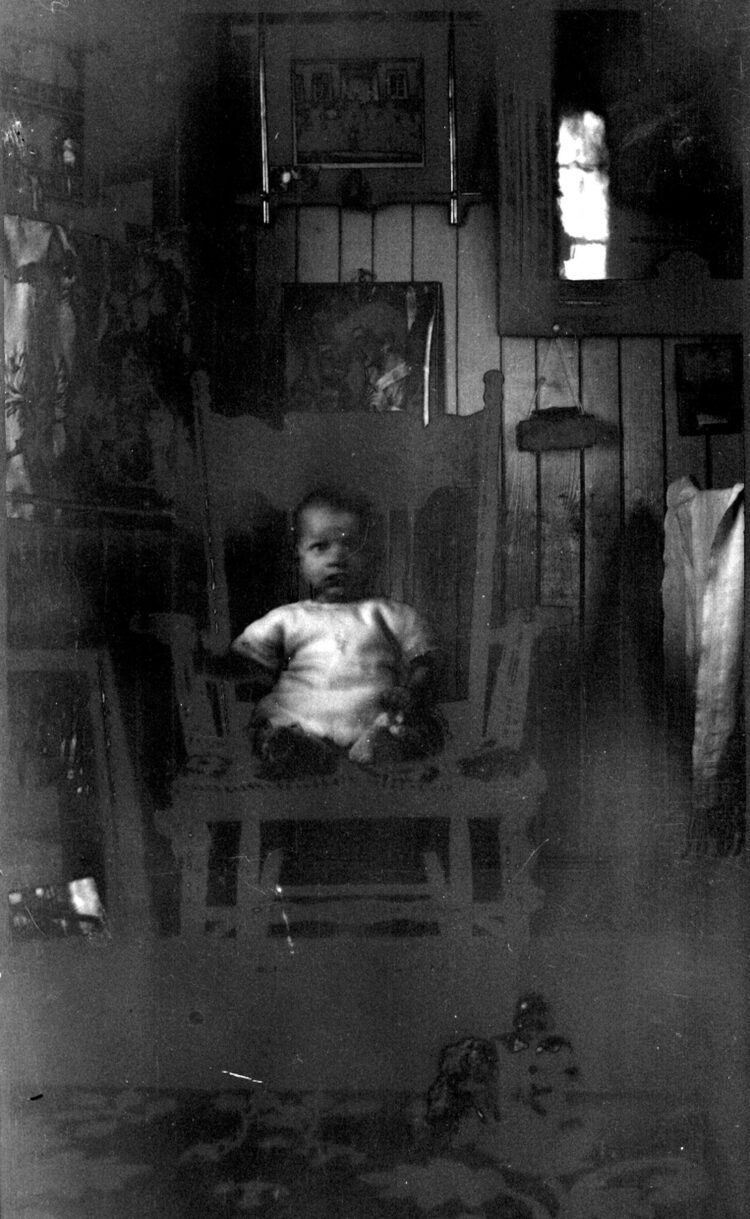
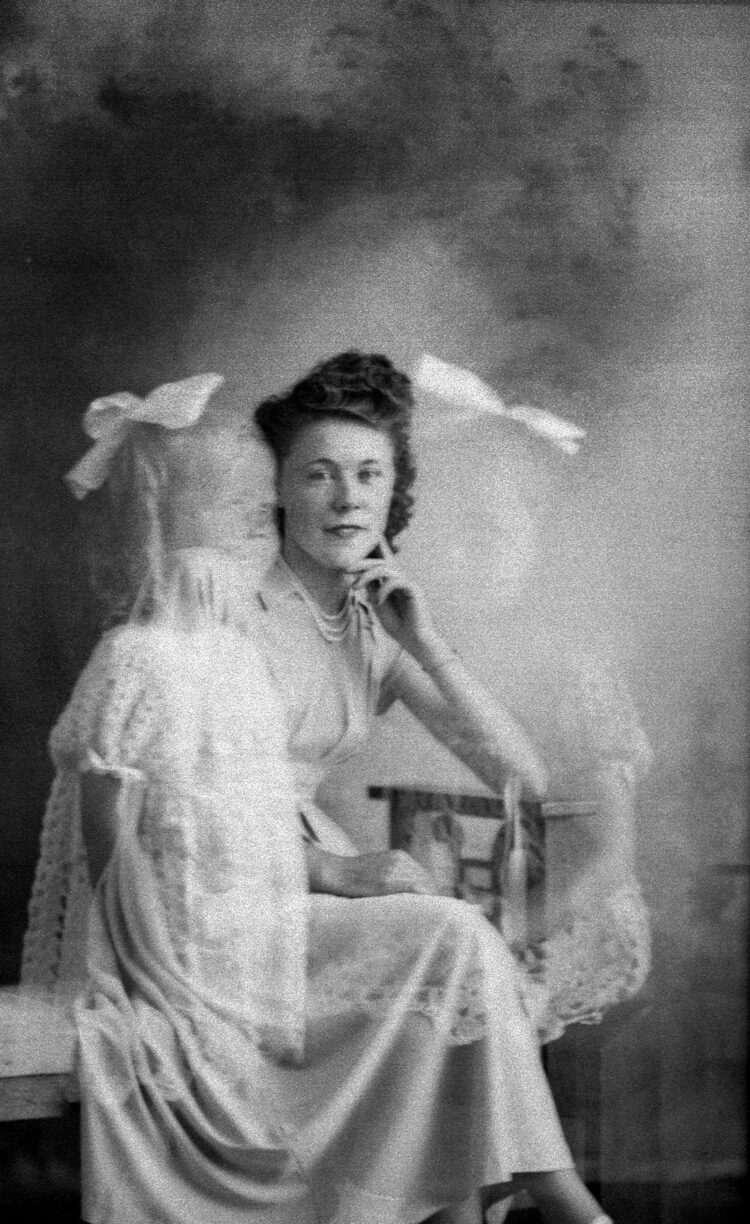
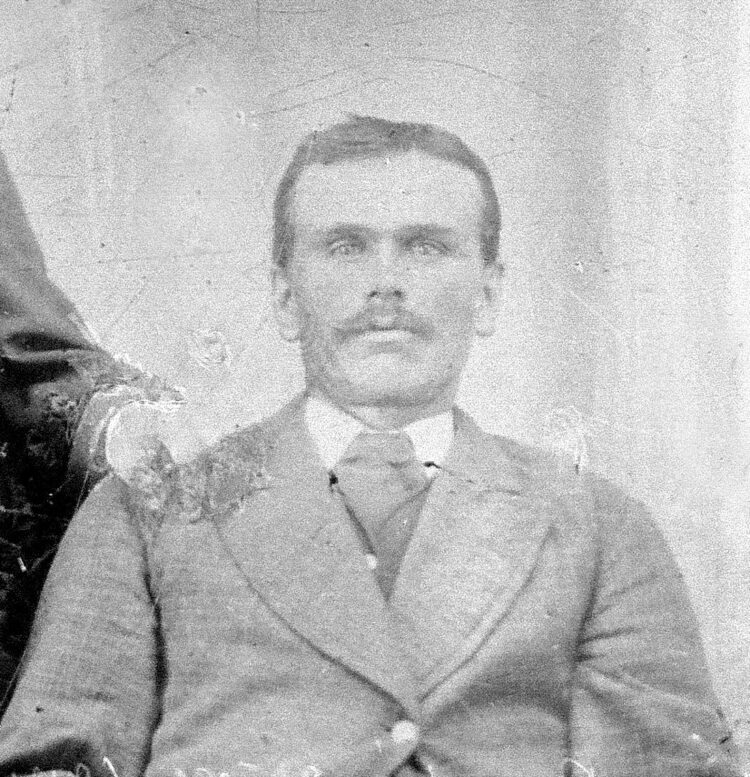
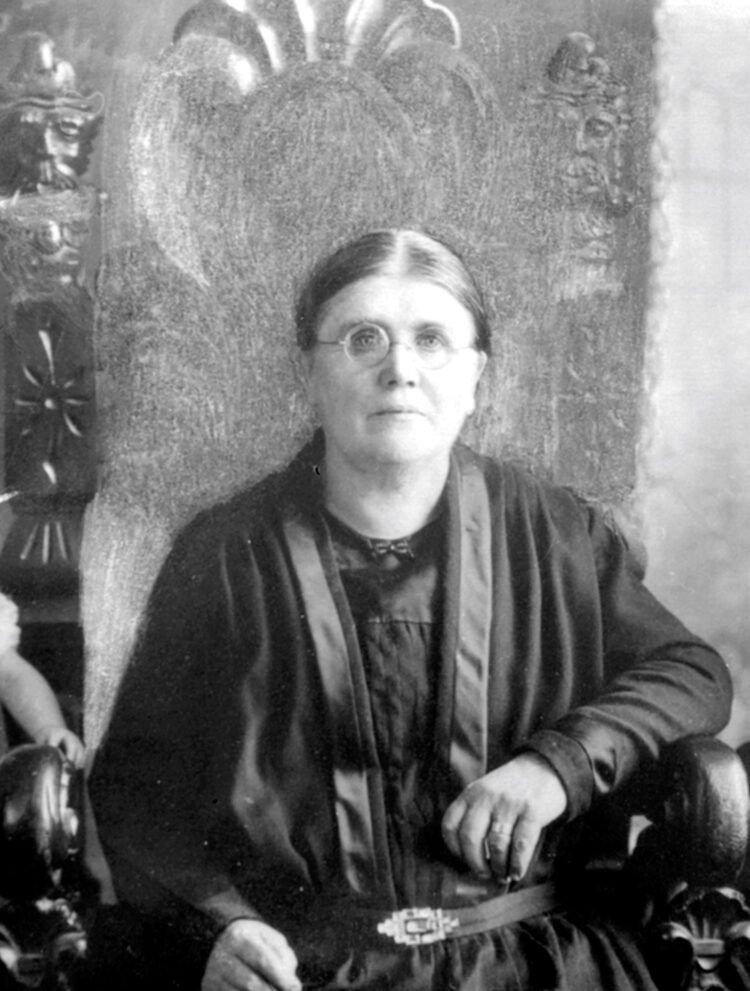
0 :00 – 0 :08
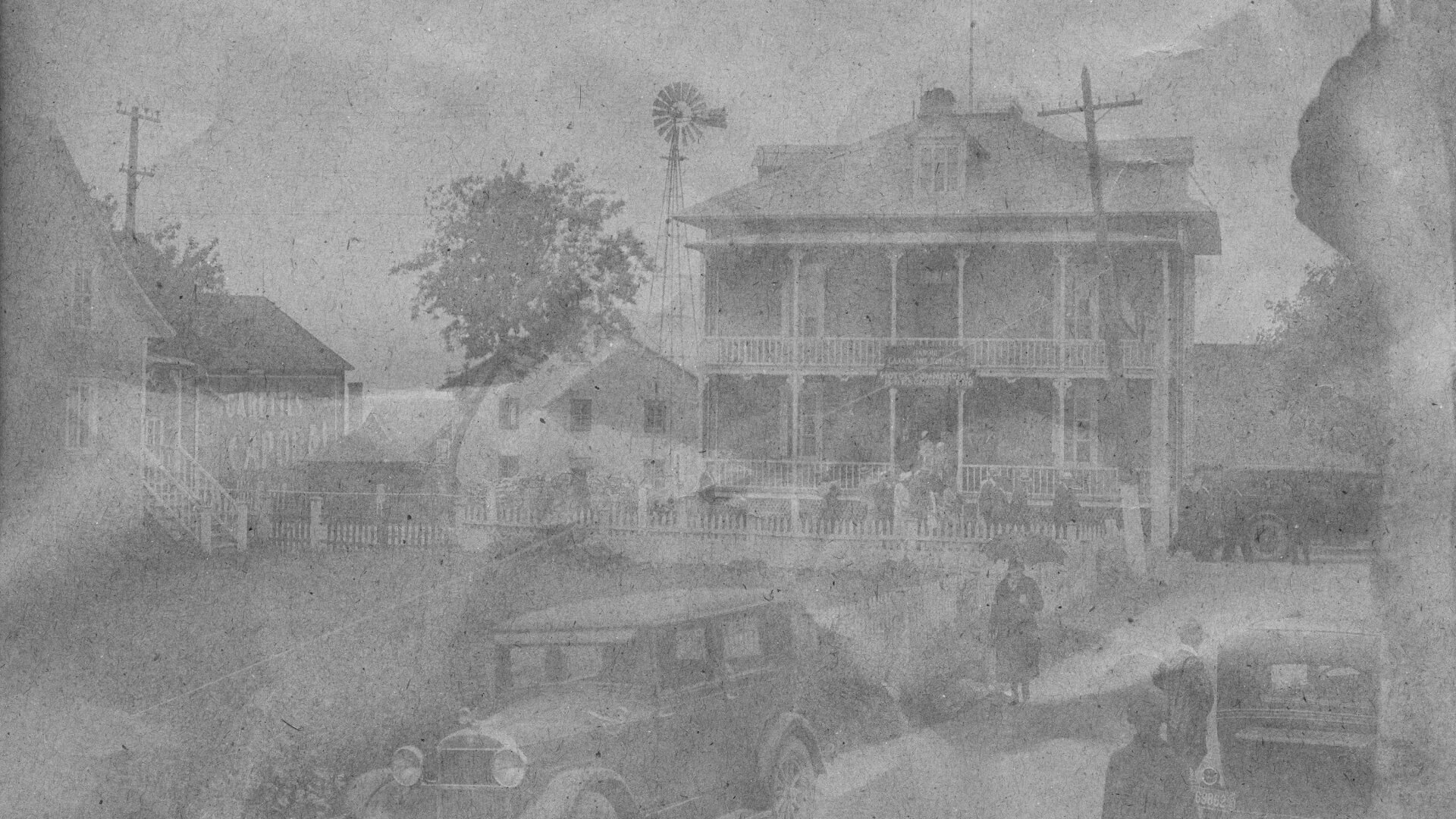
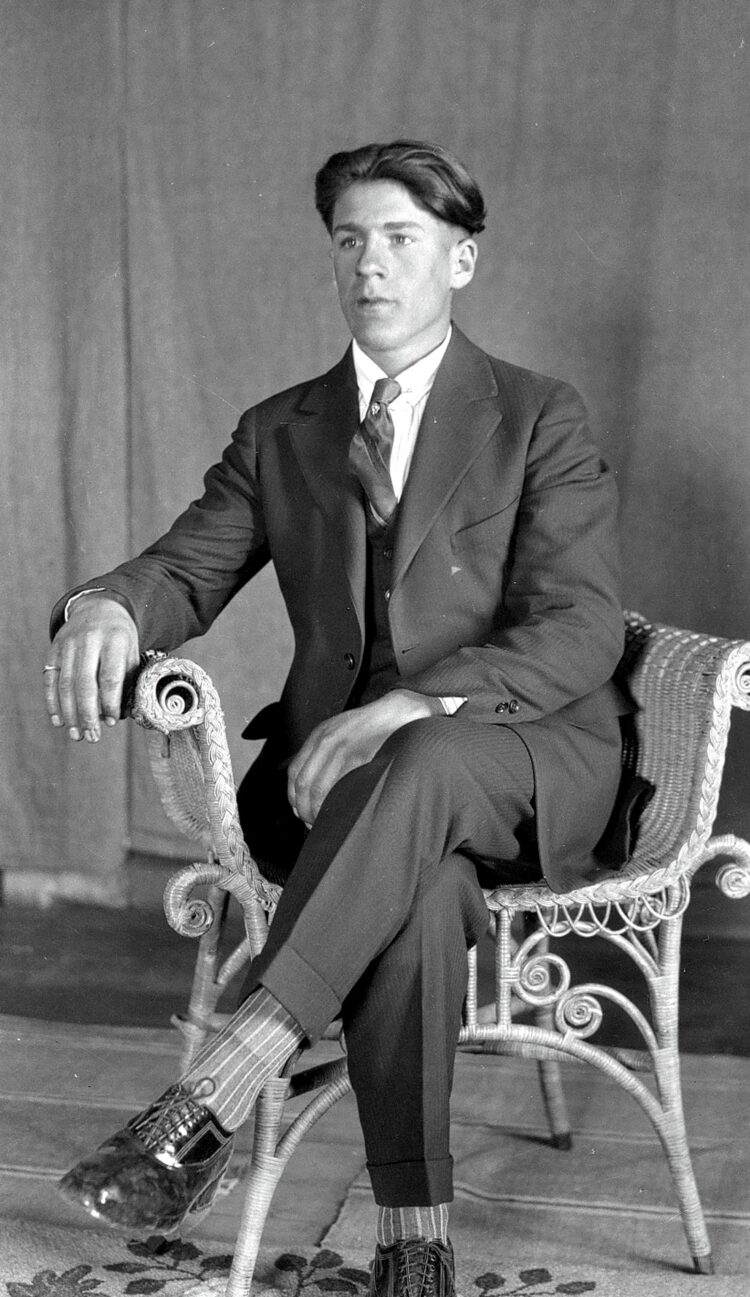
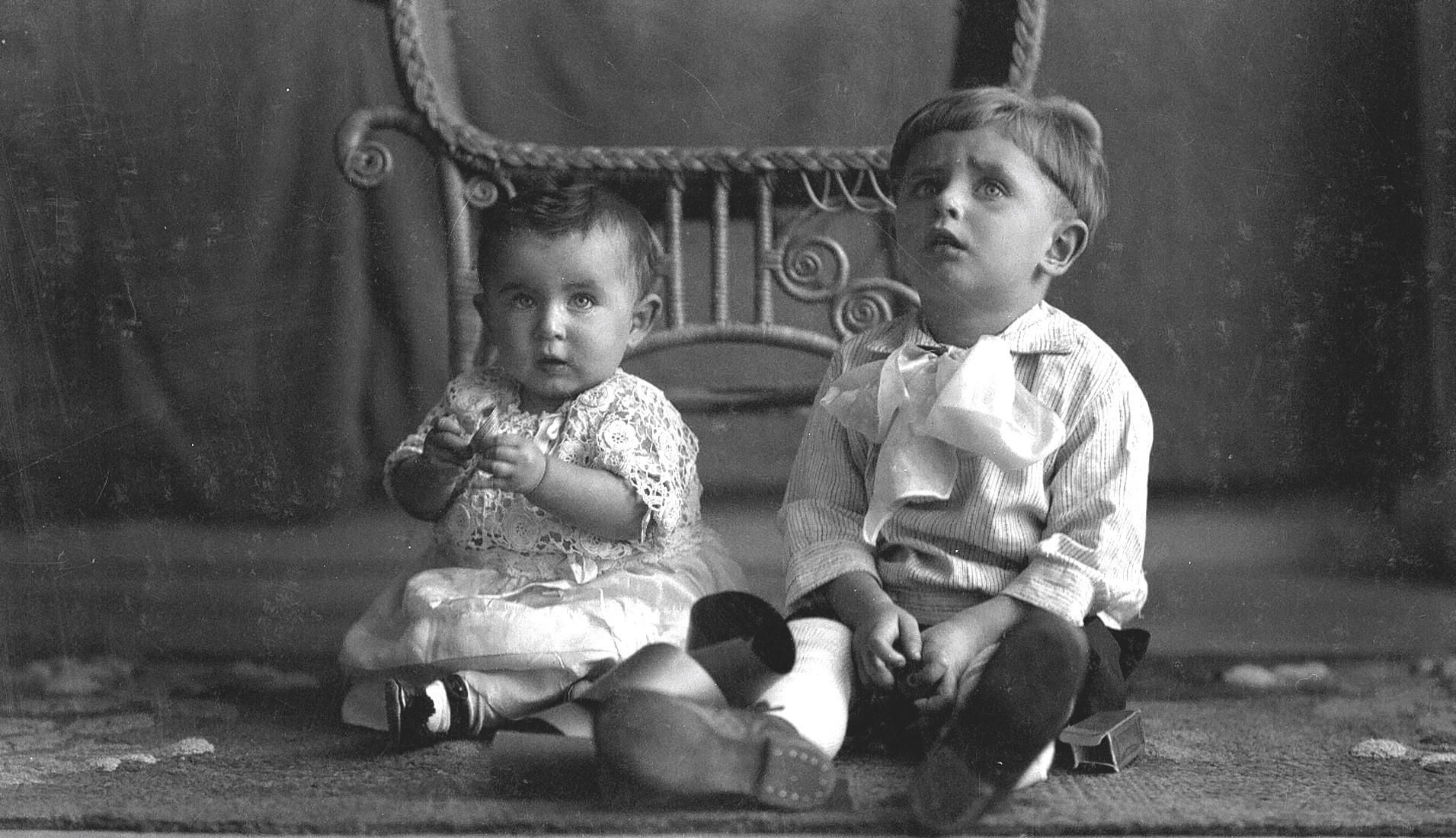
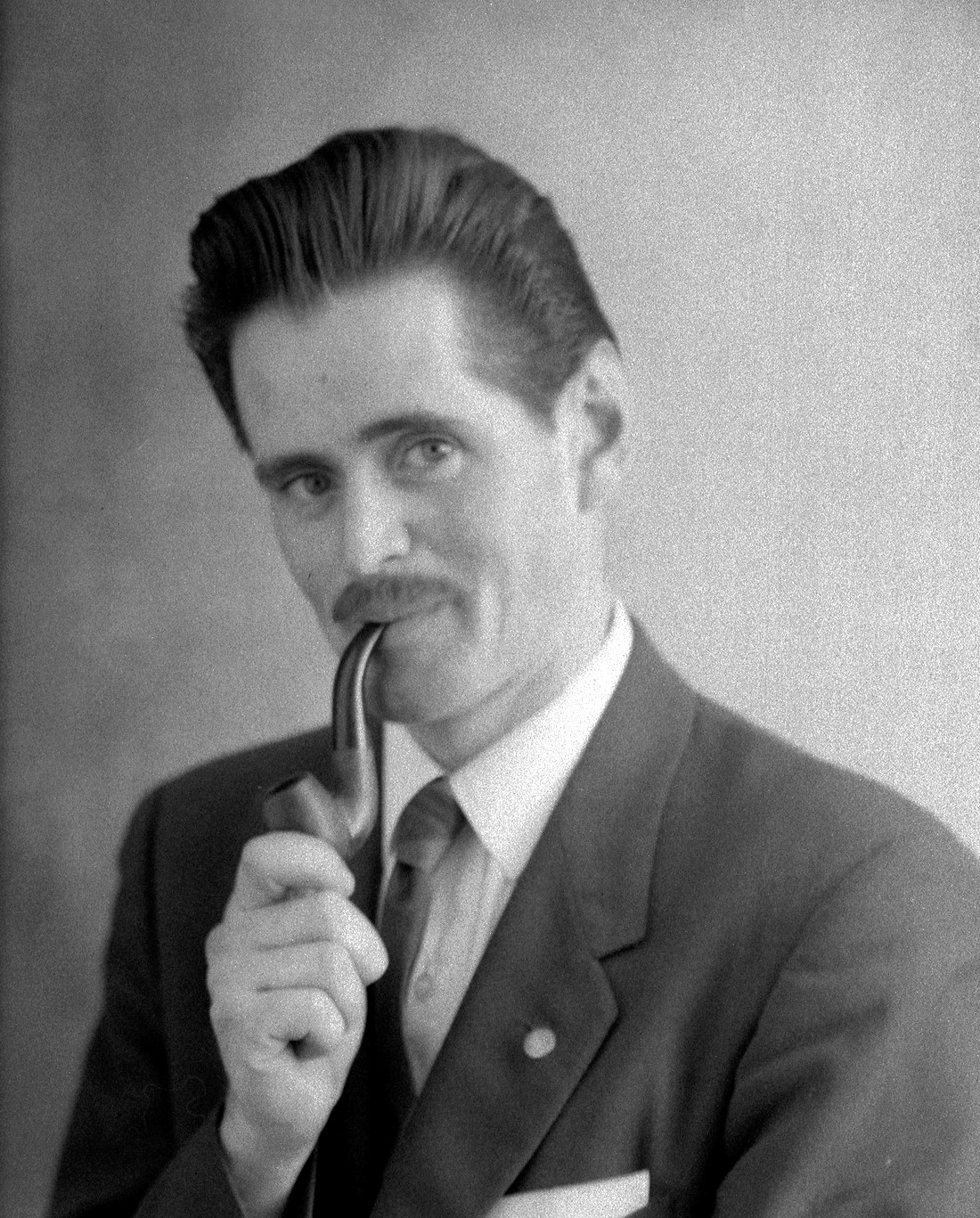
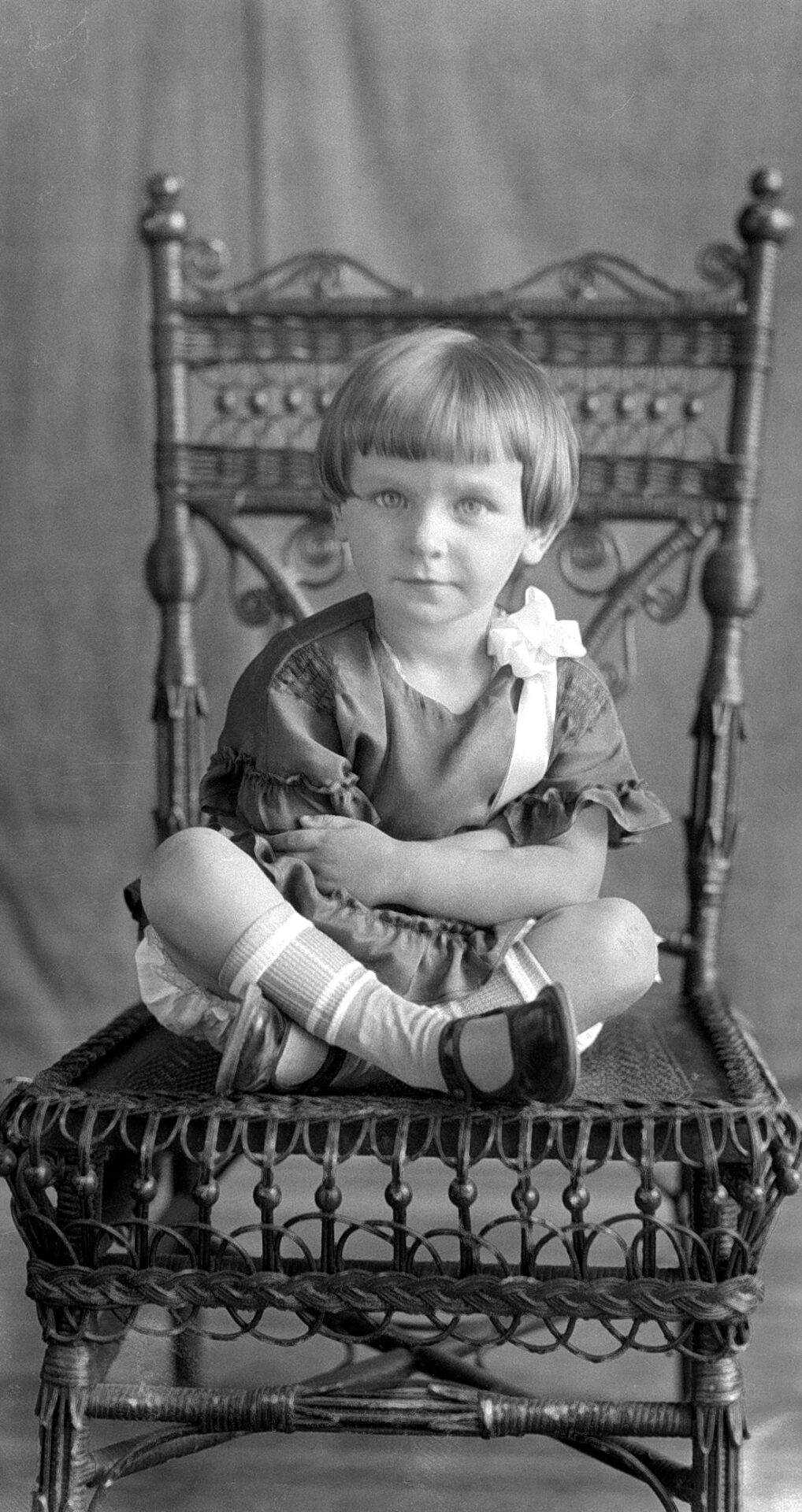
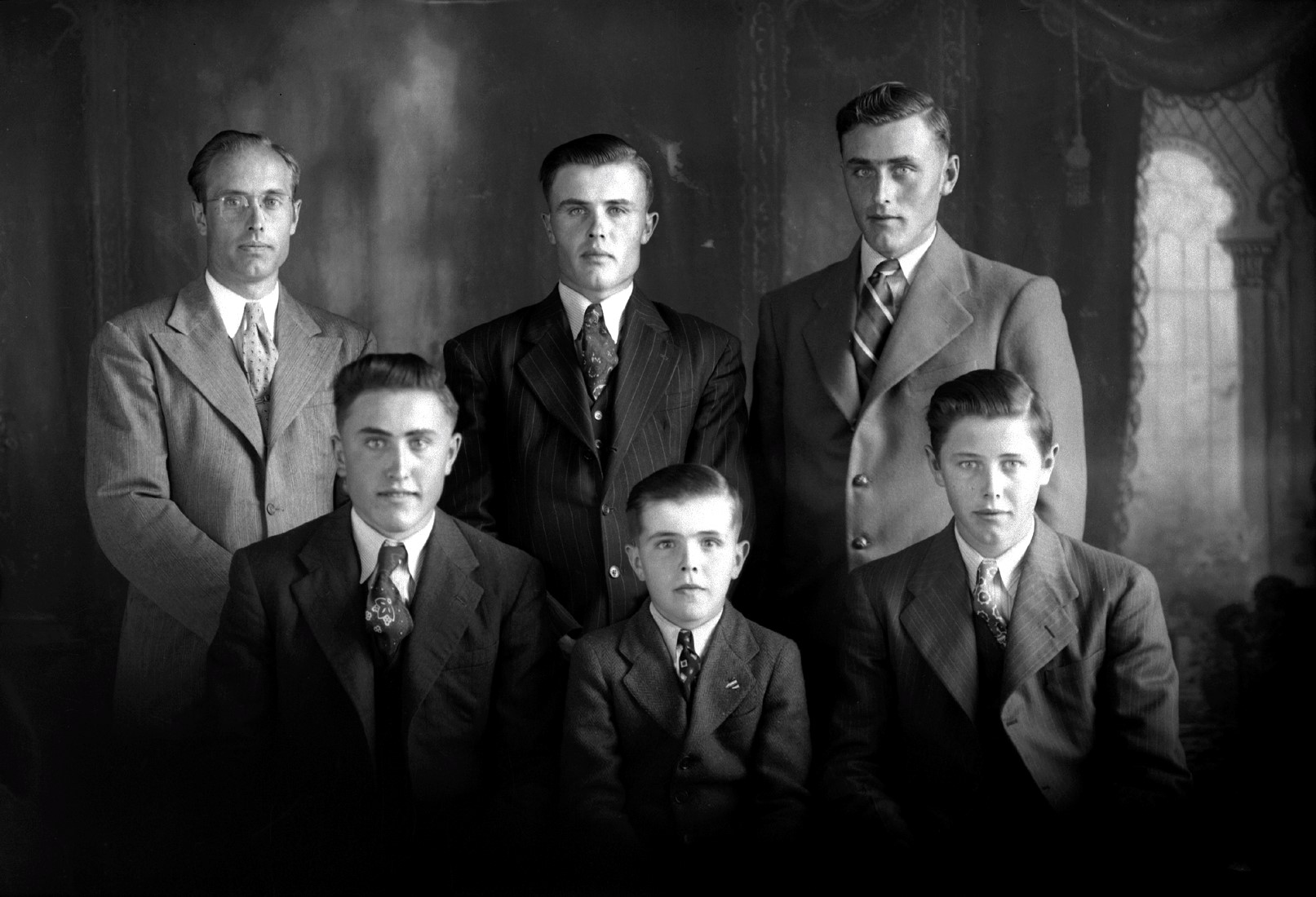
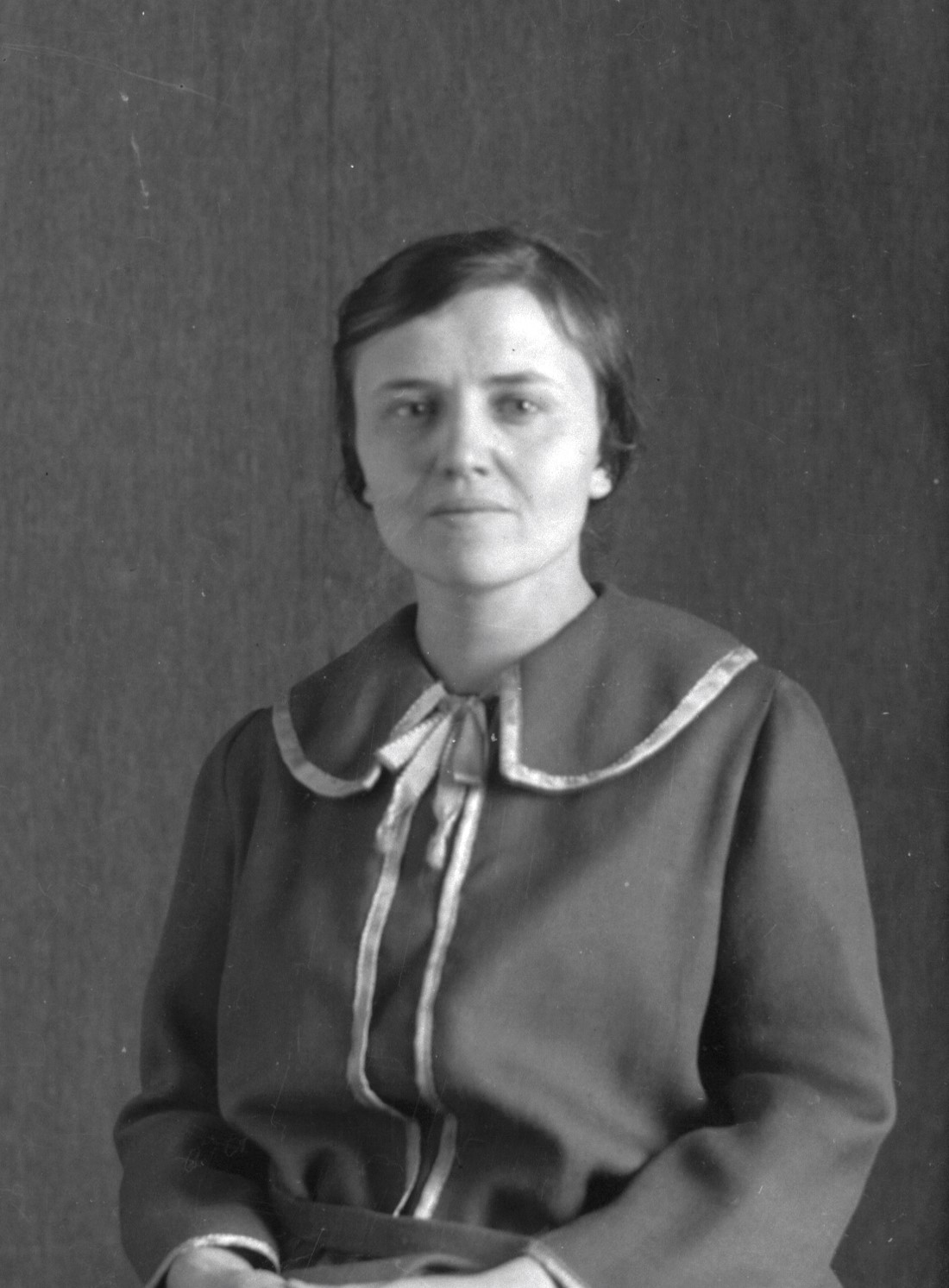
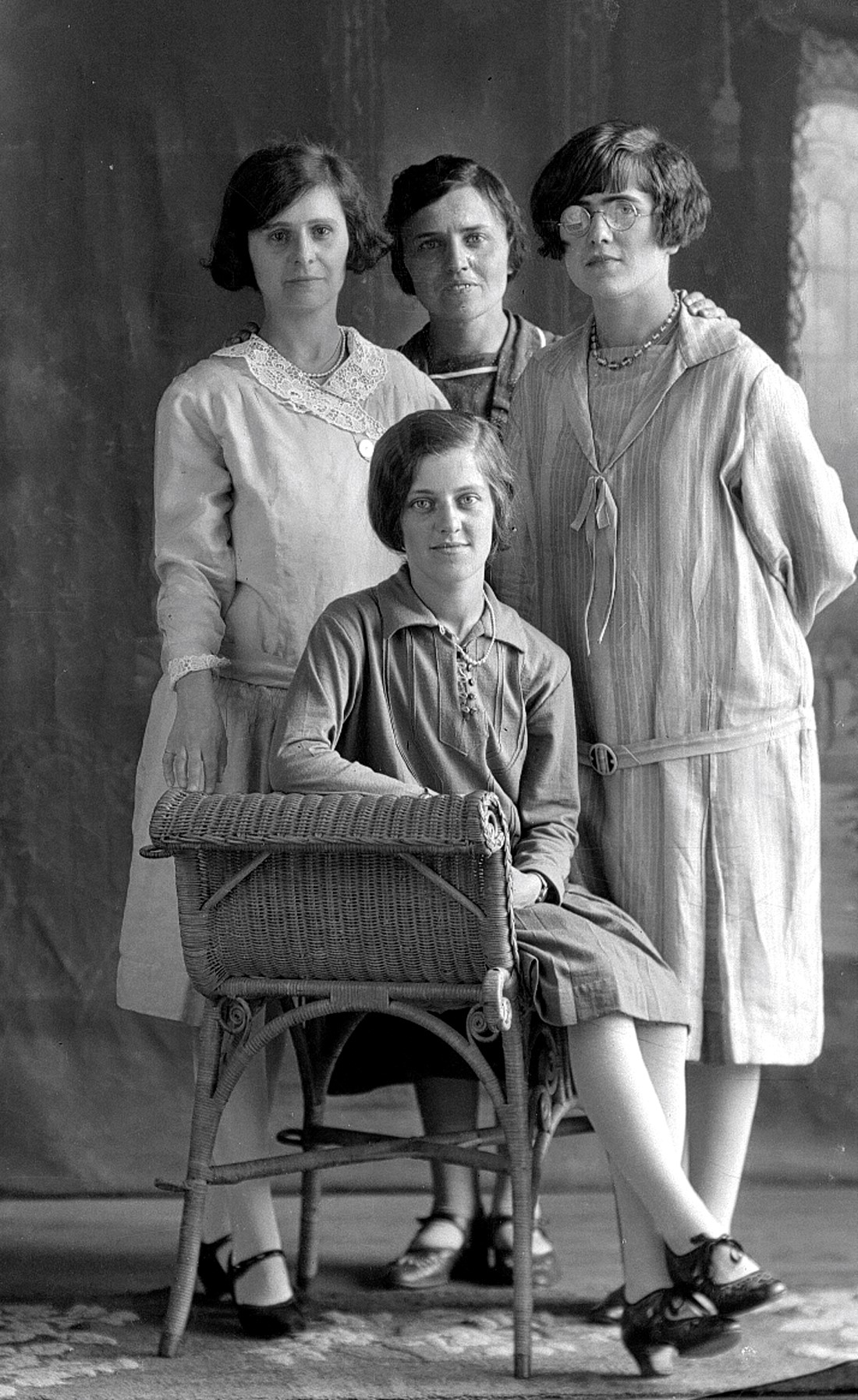
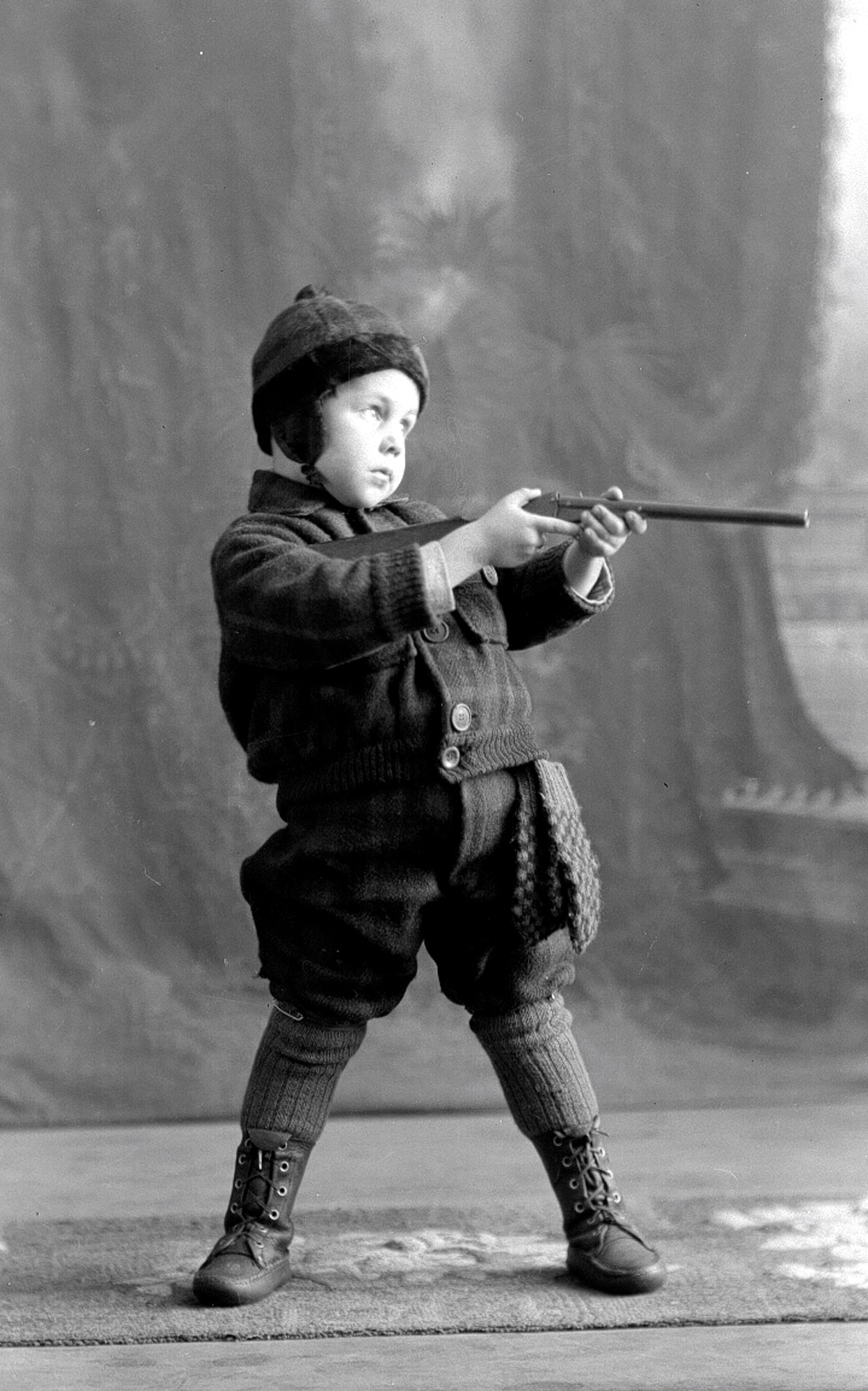
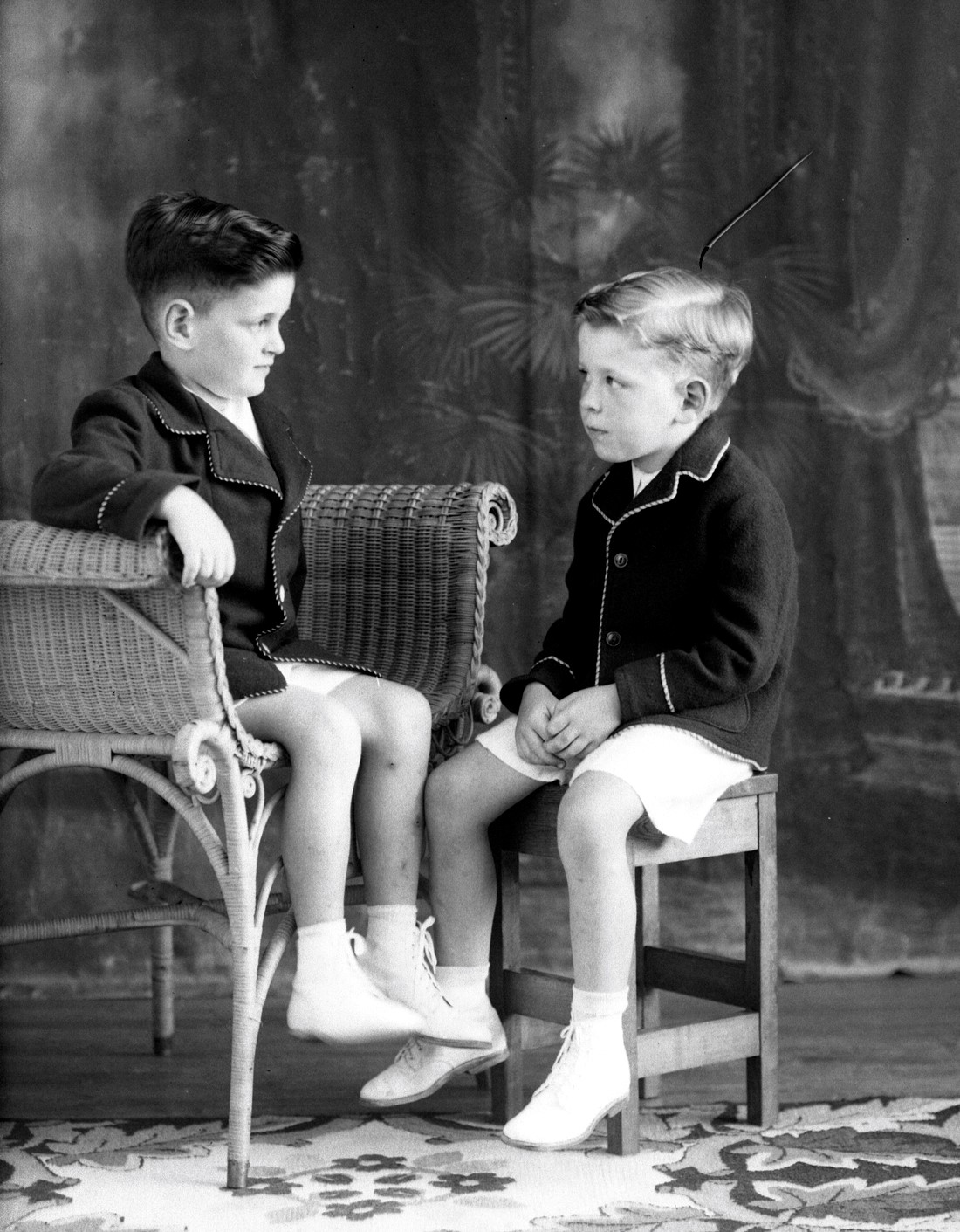
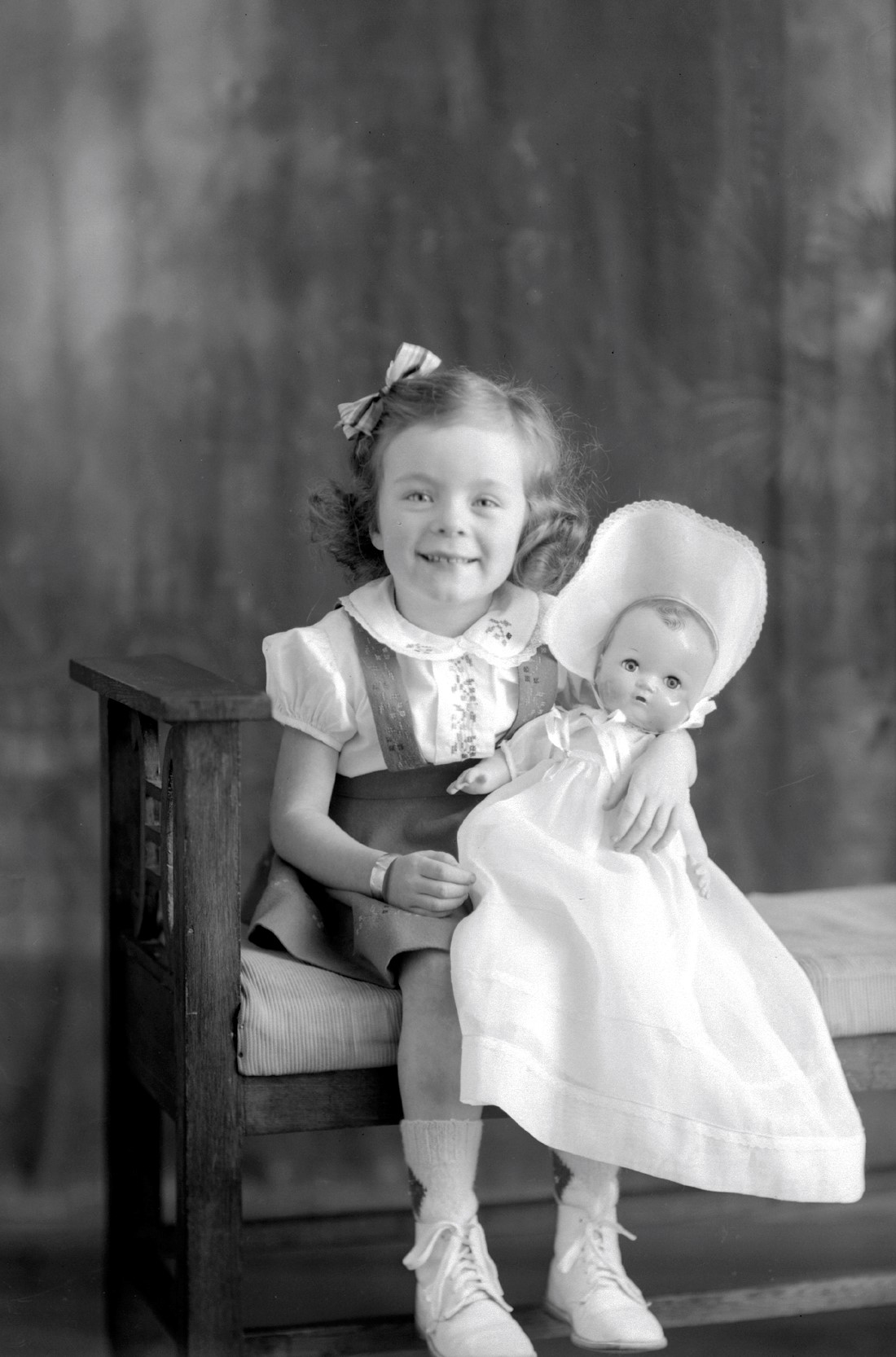
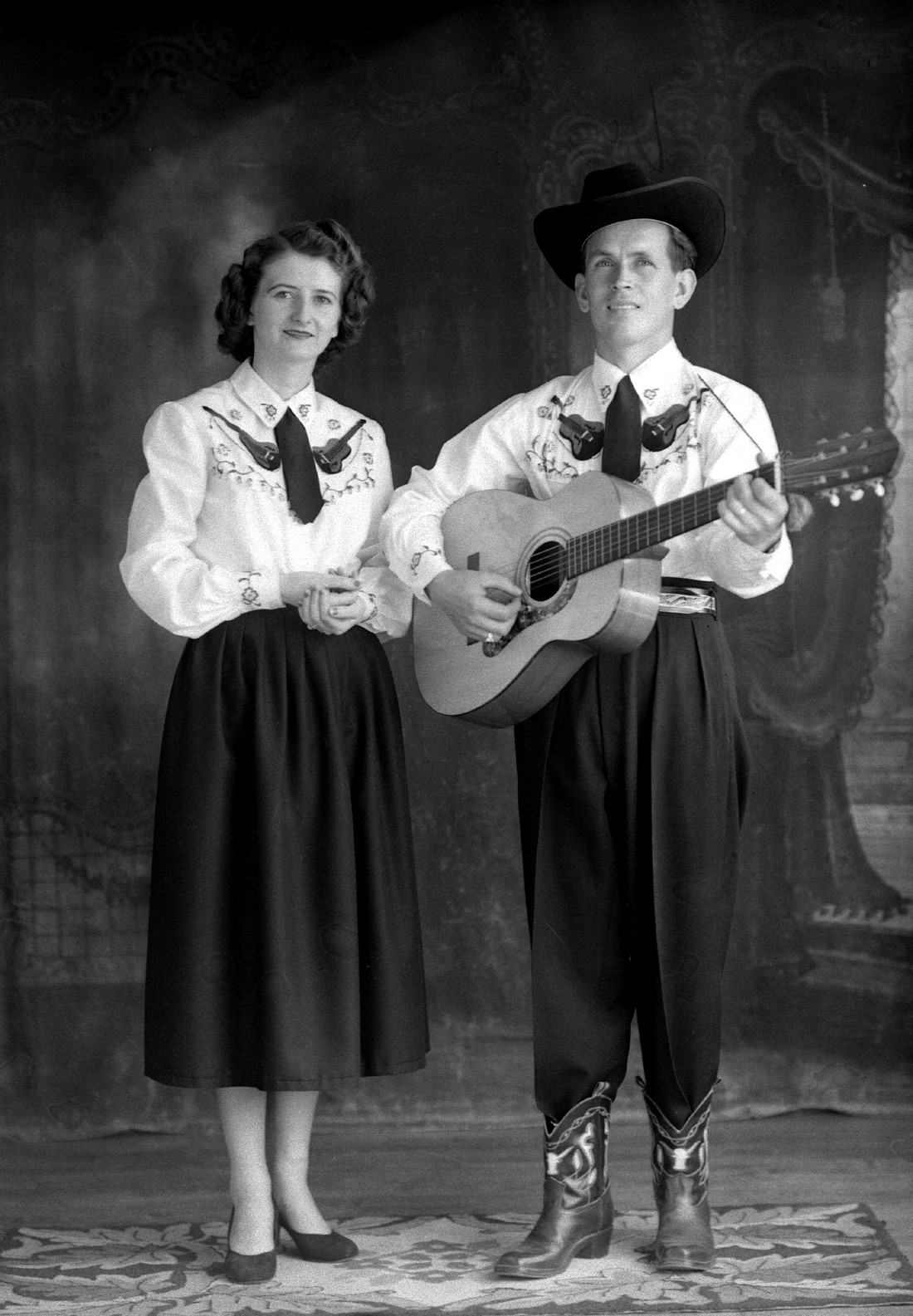
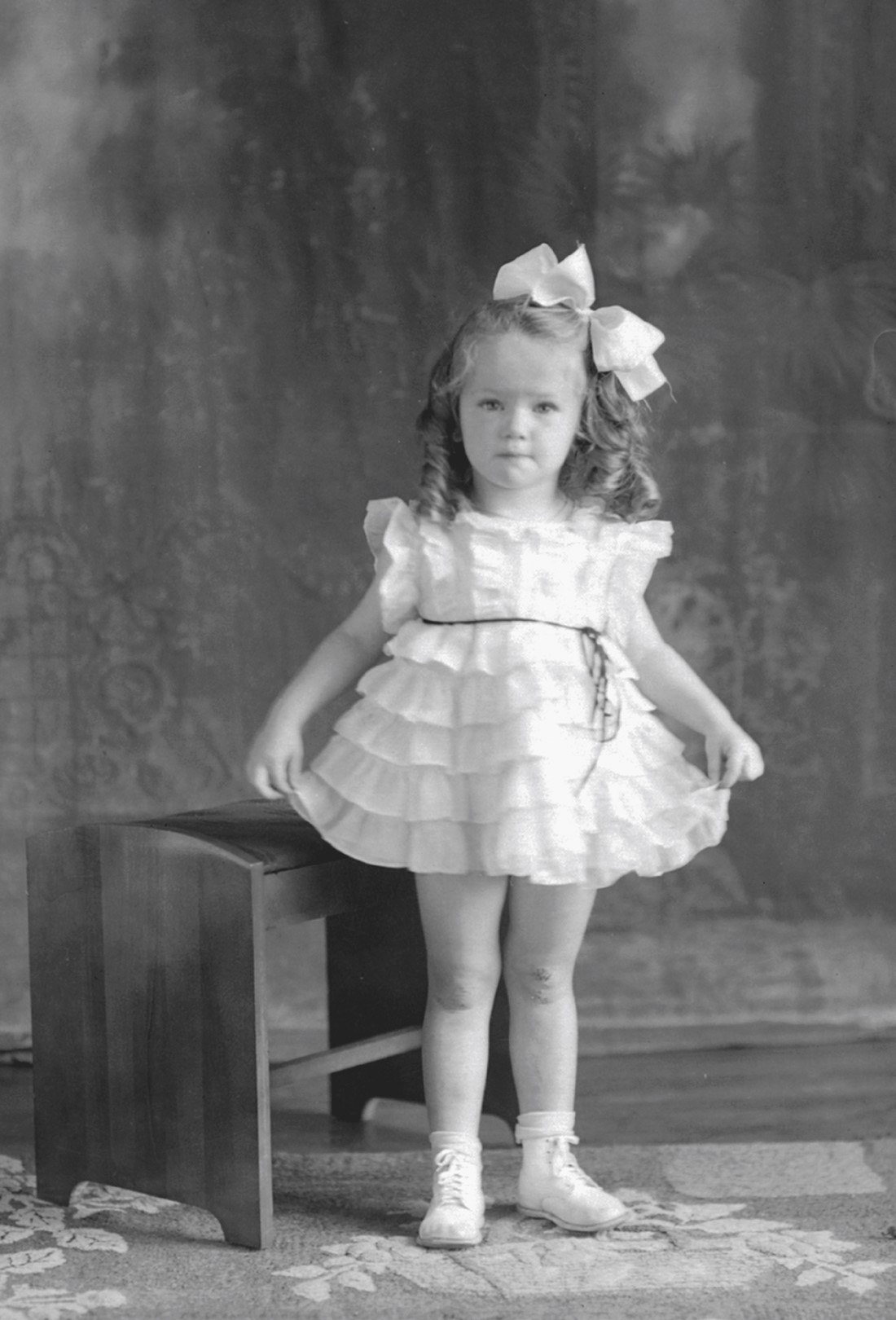
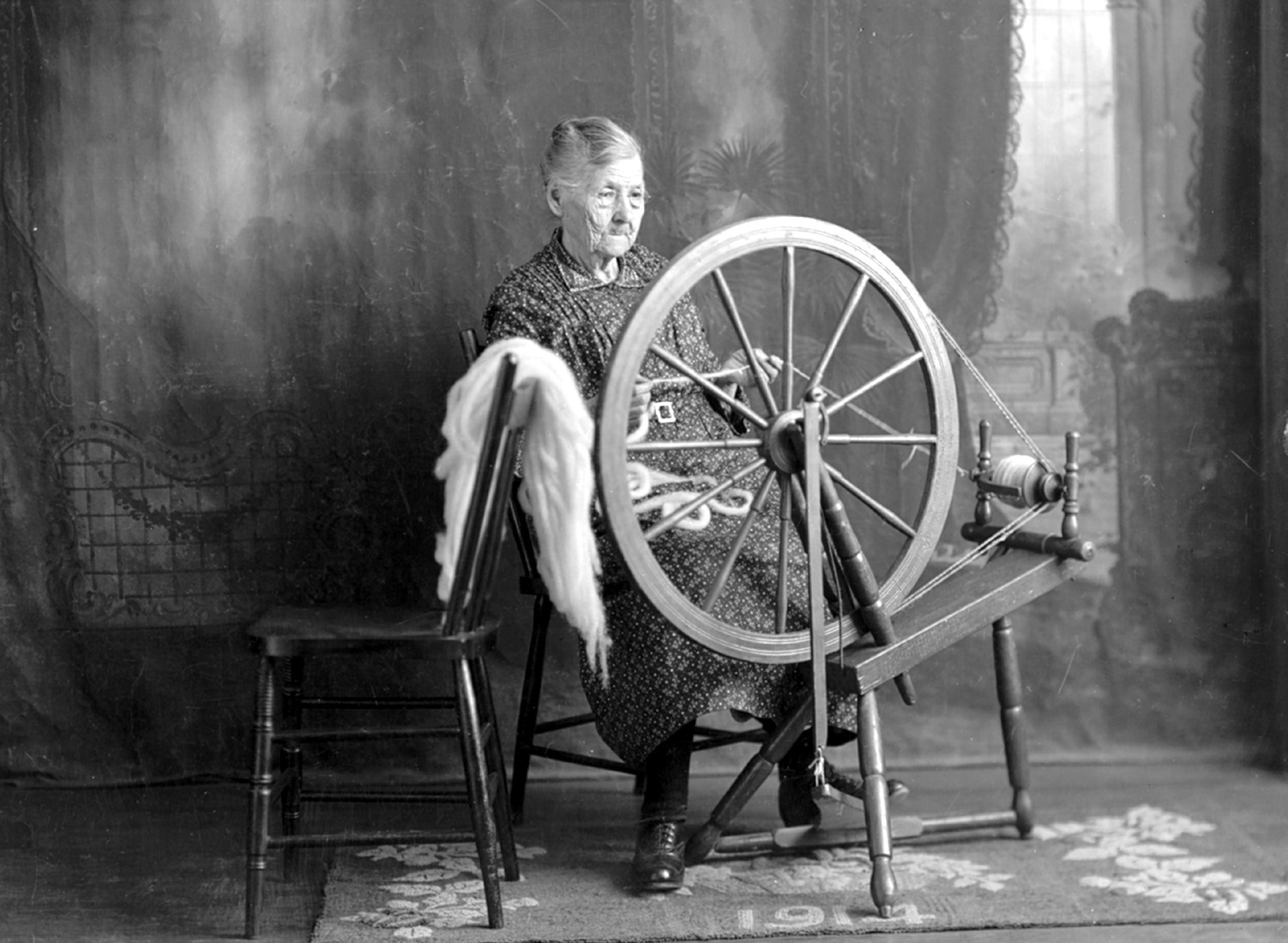
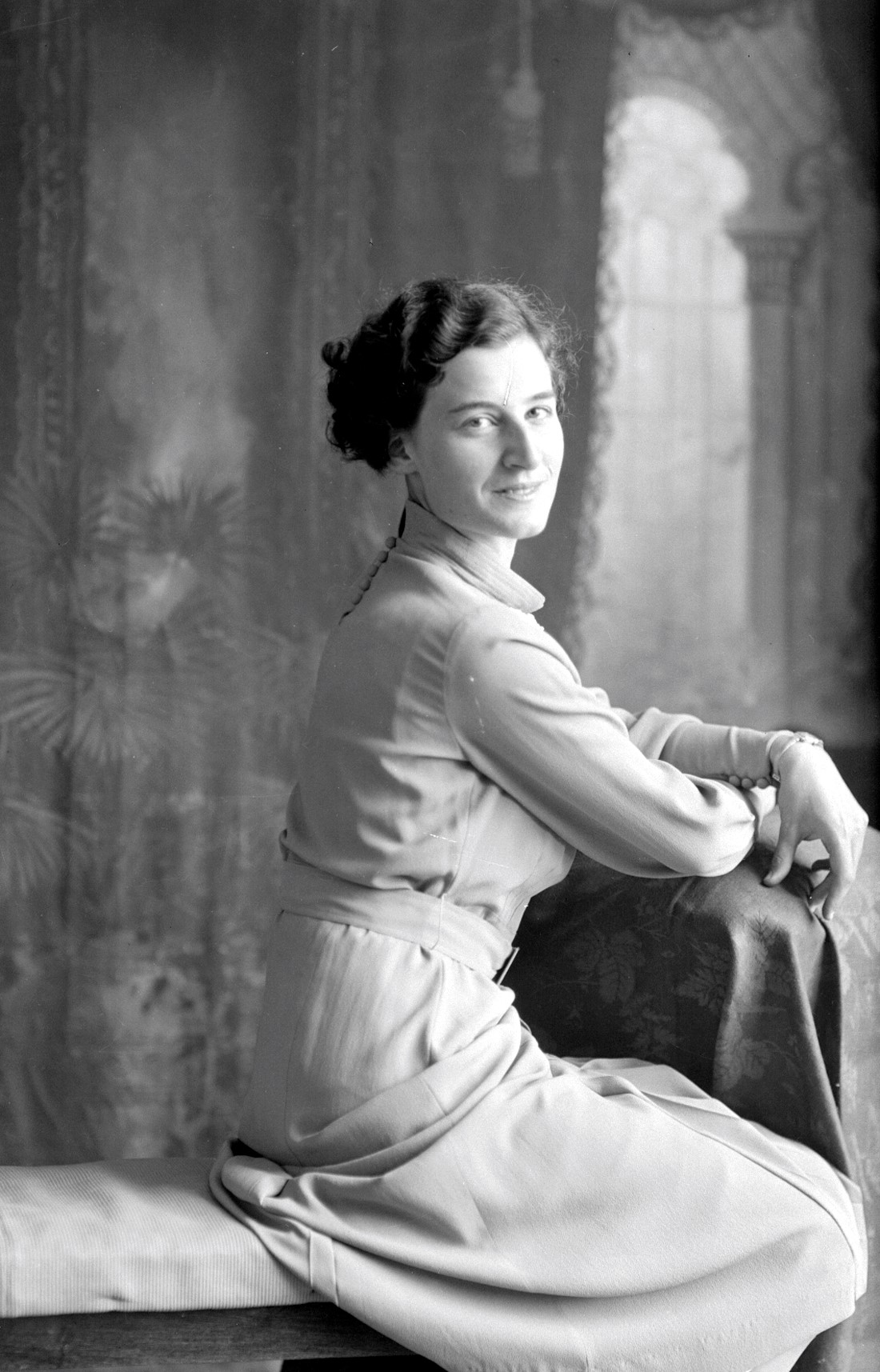
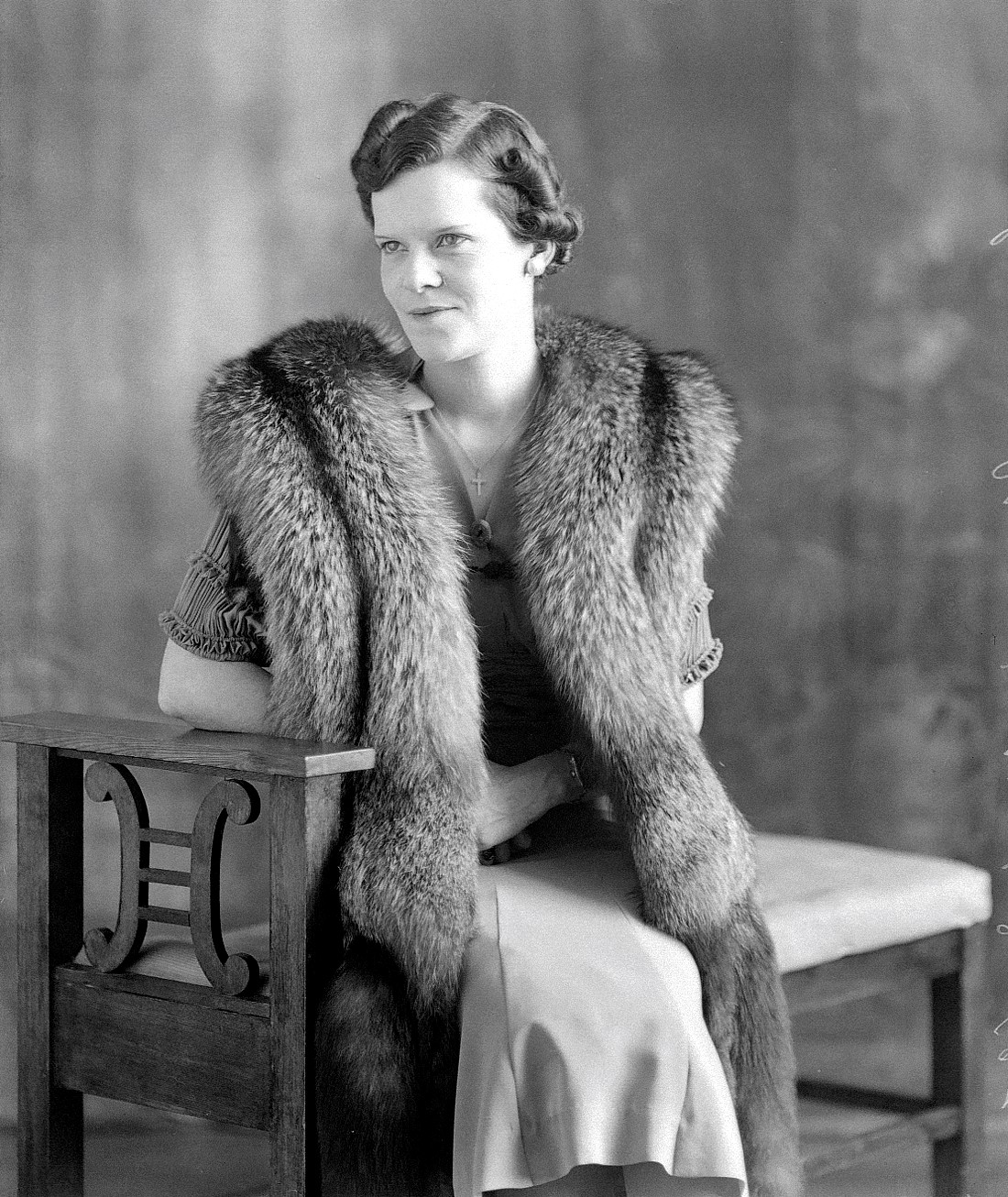
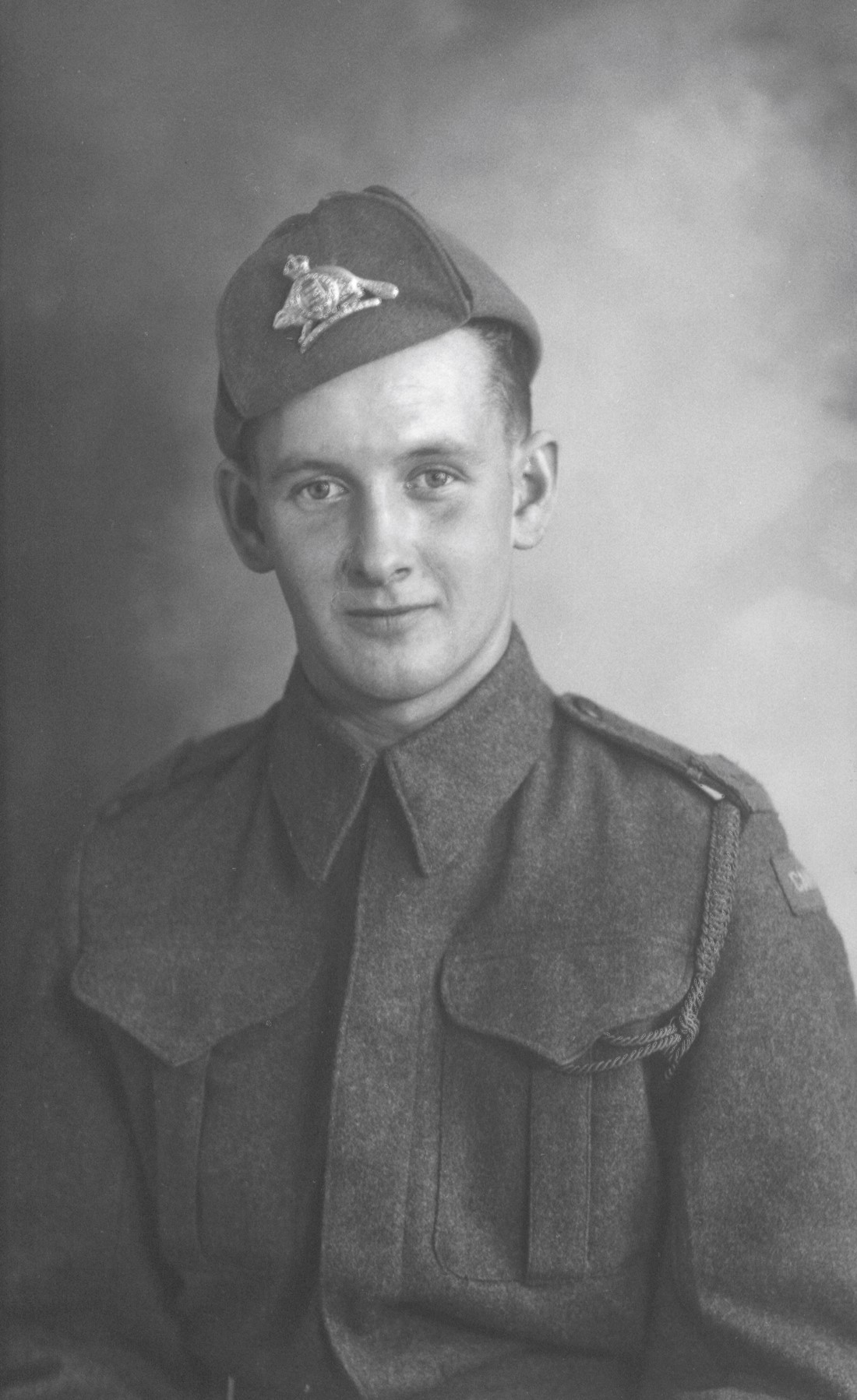
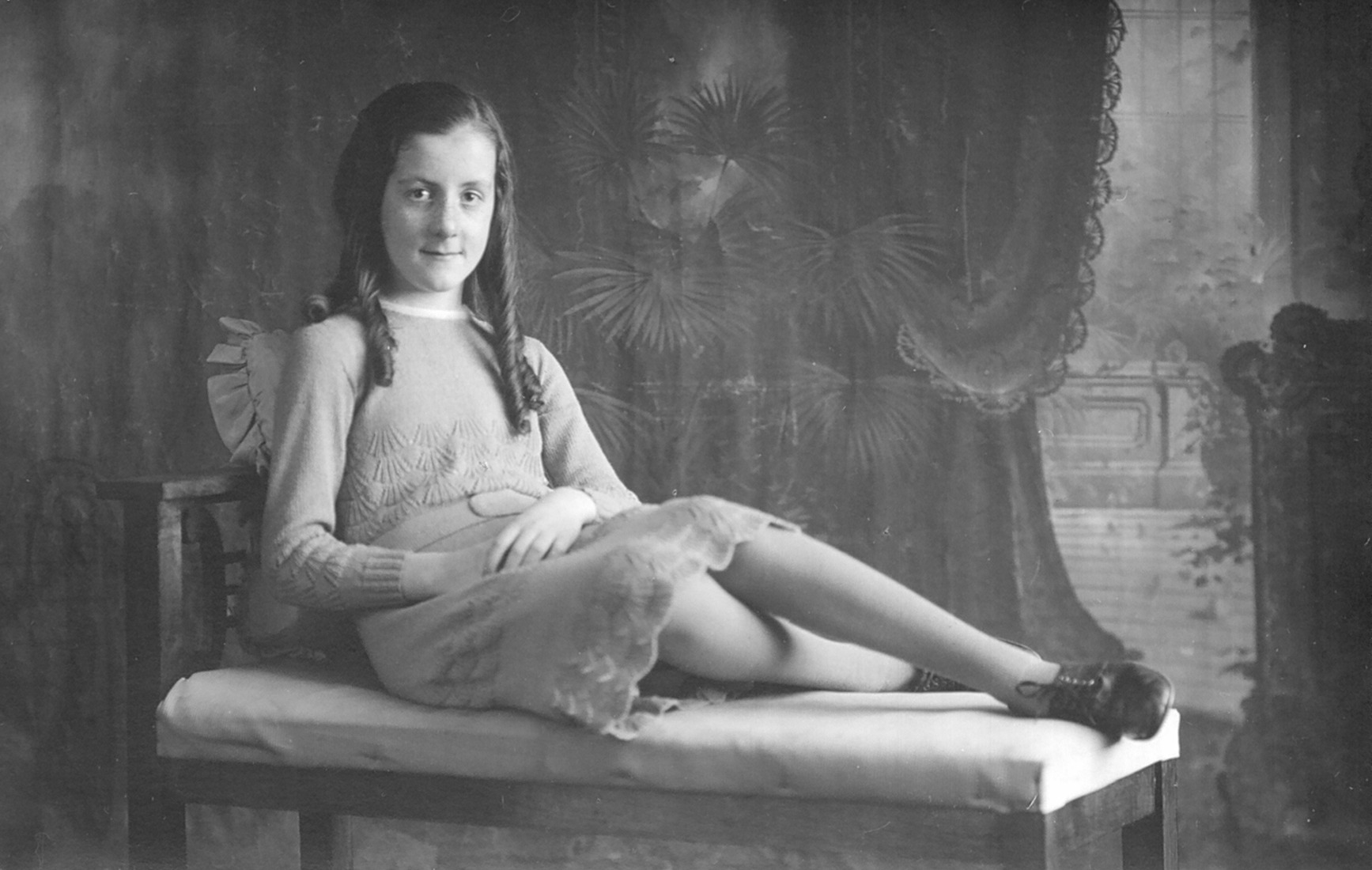
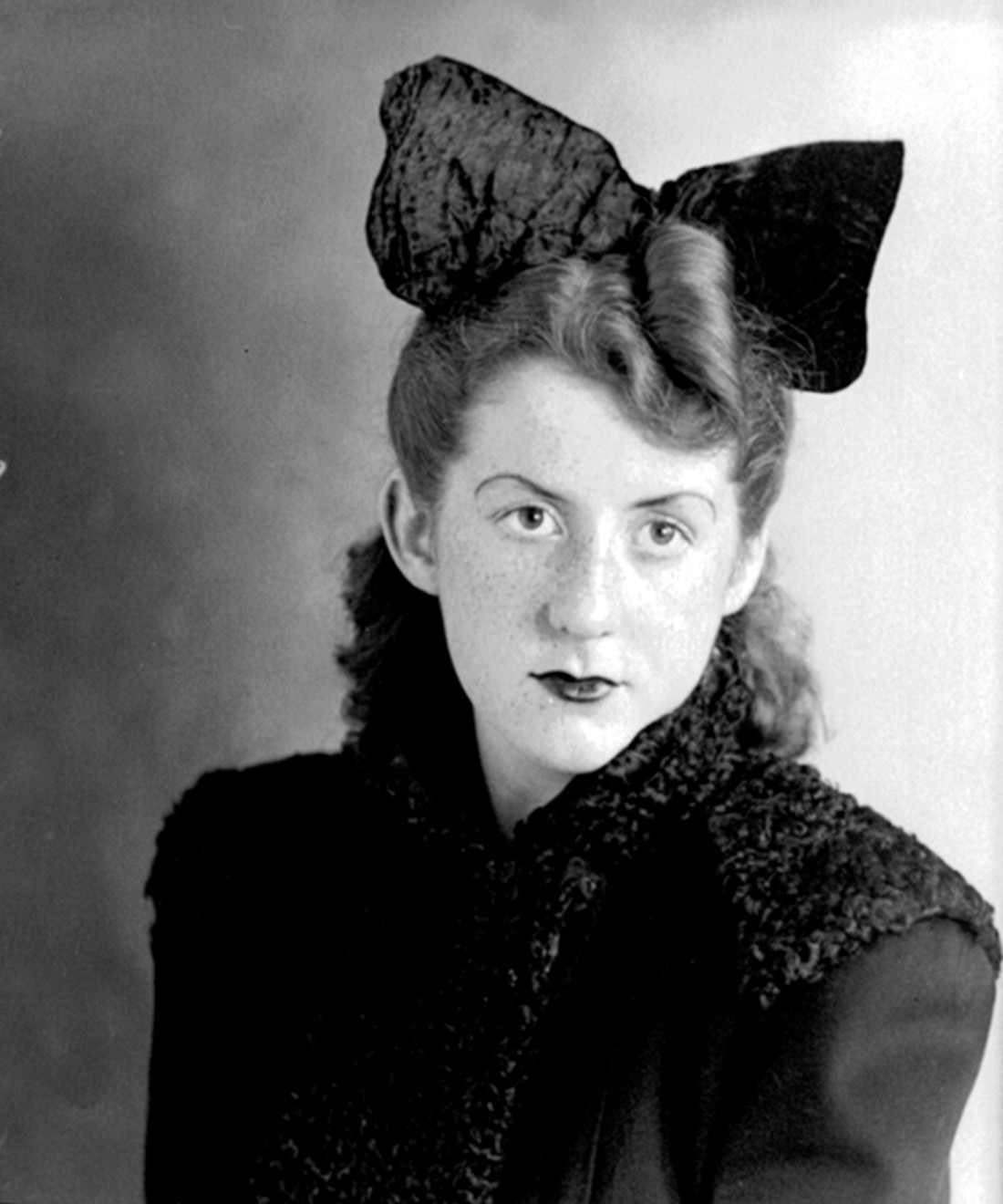
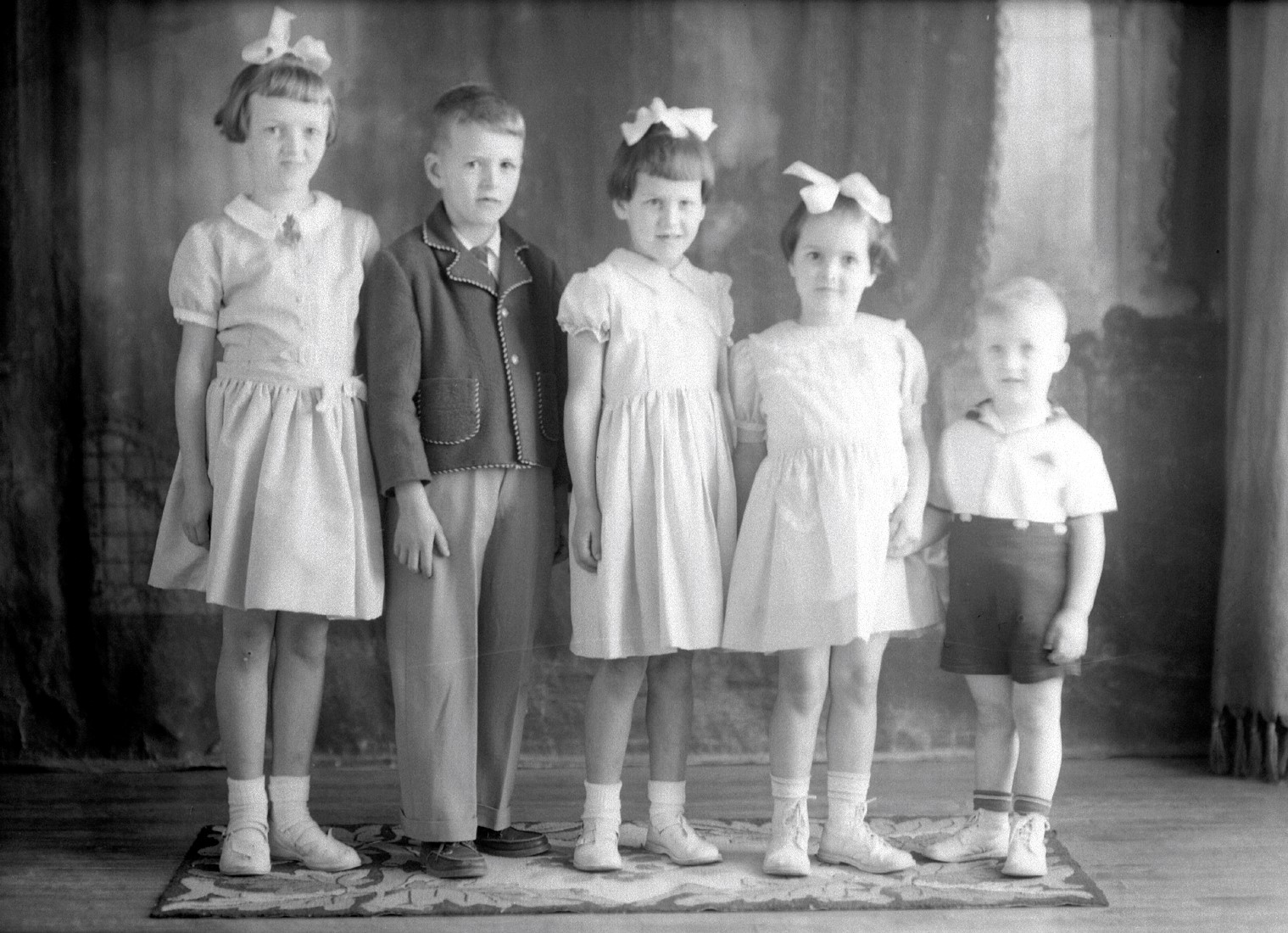
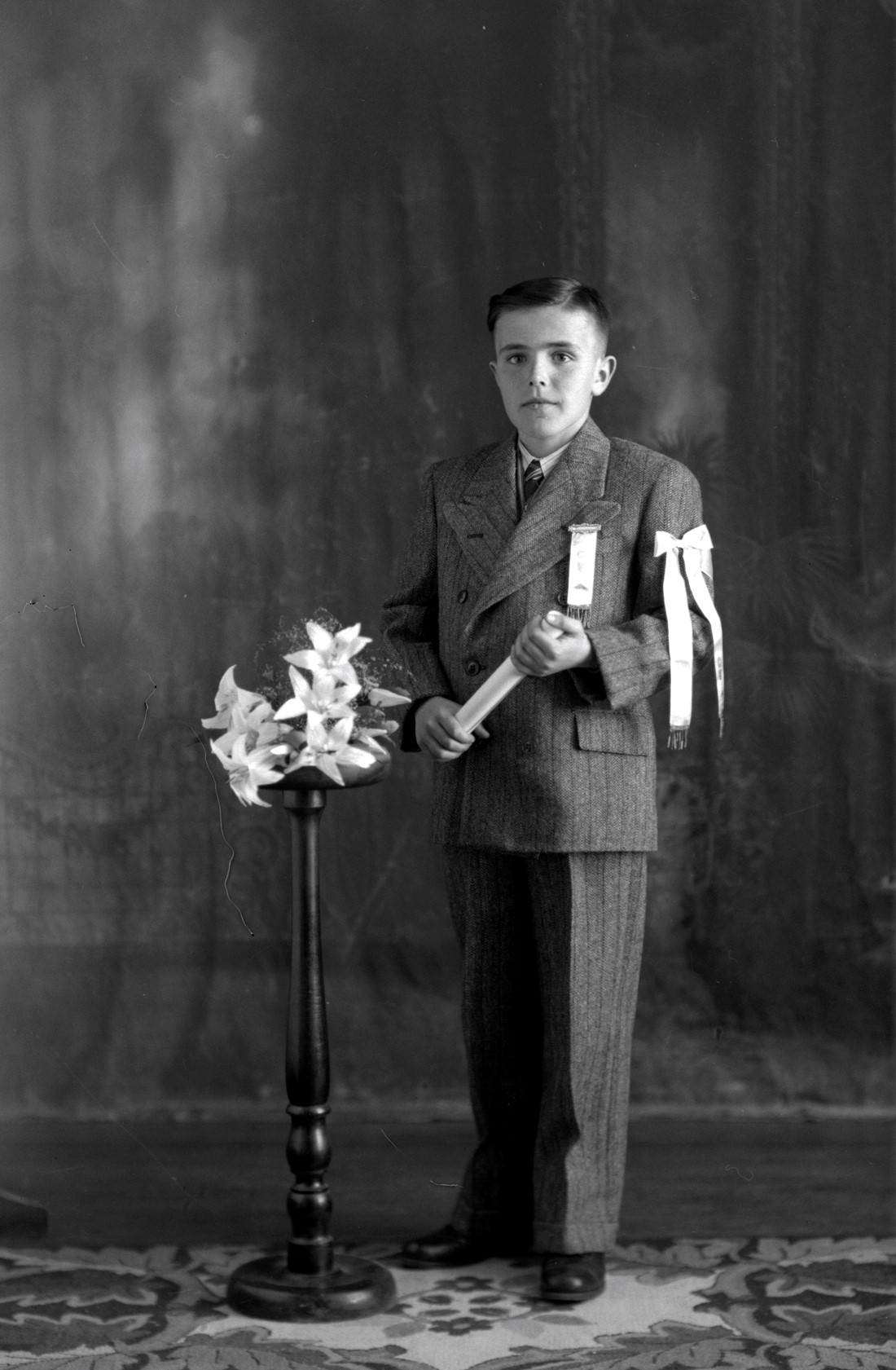
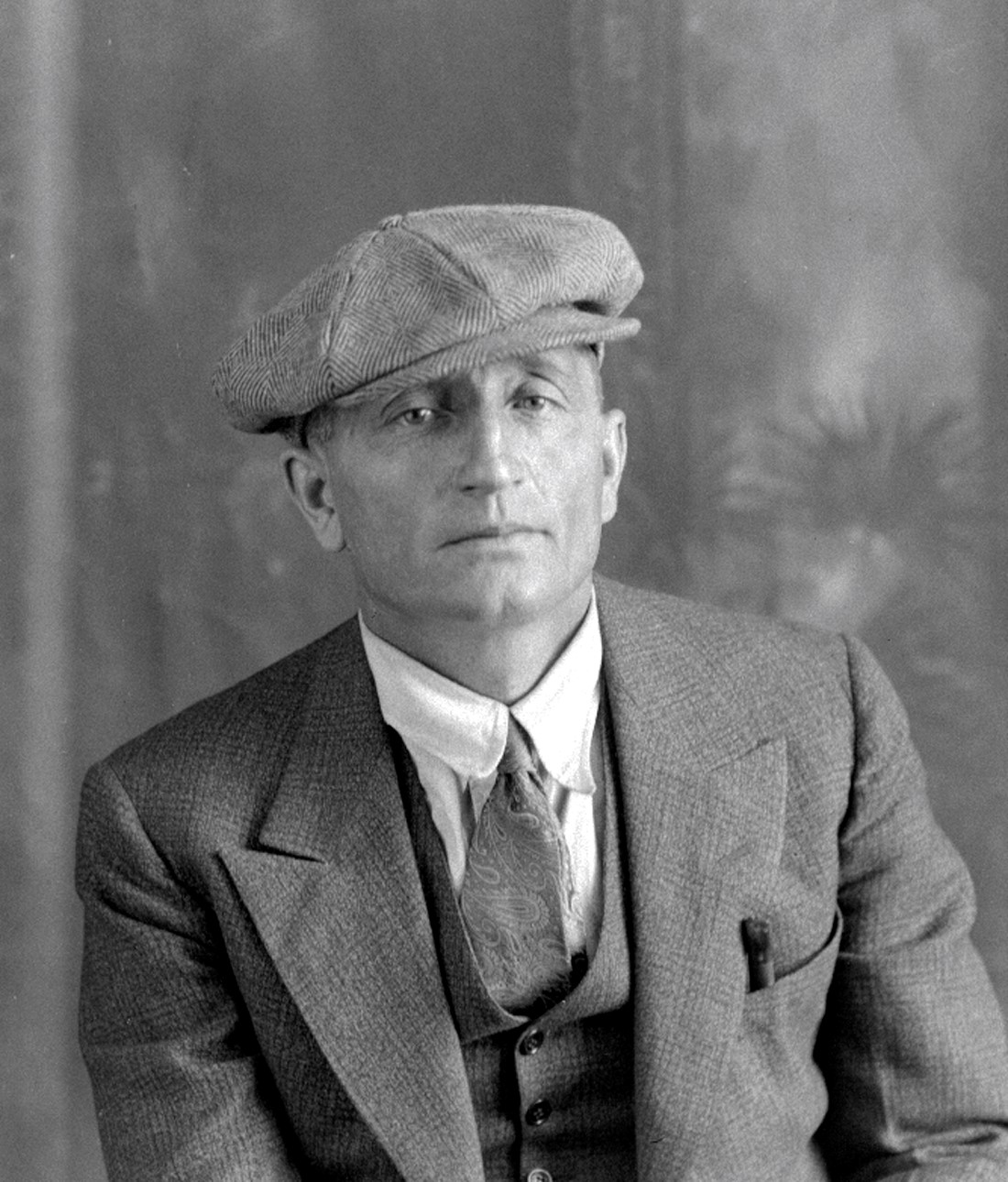
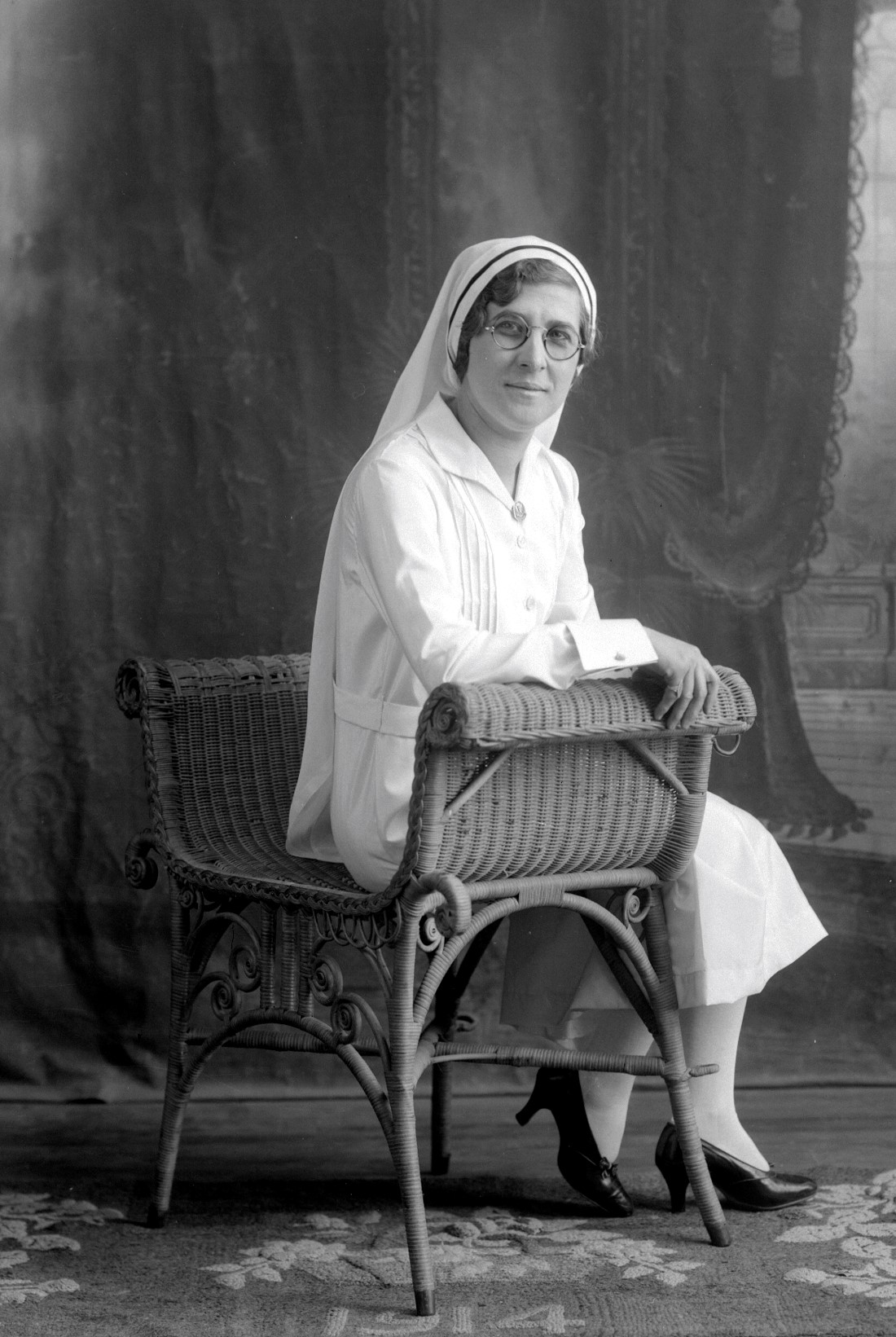
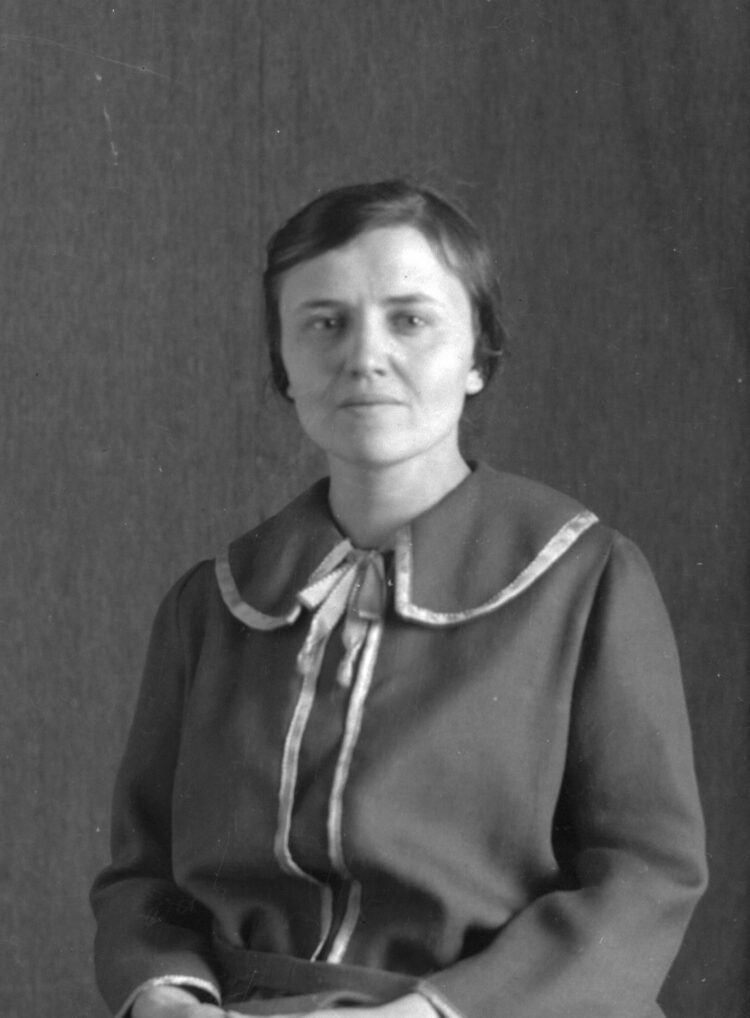
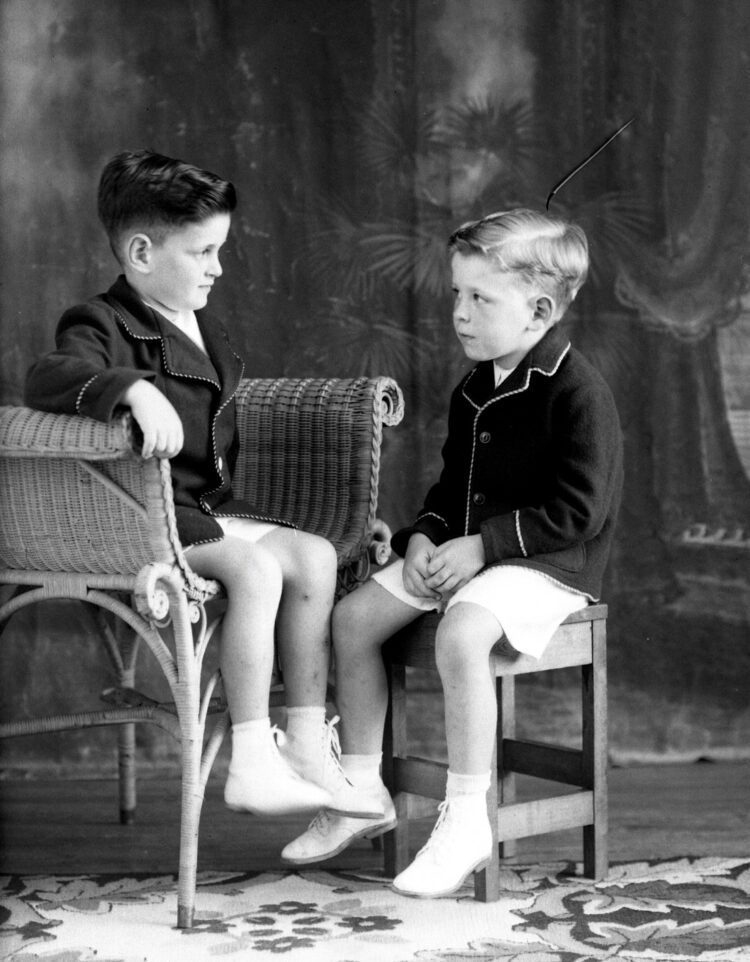
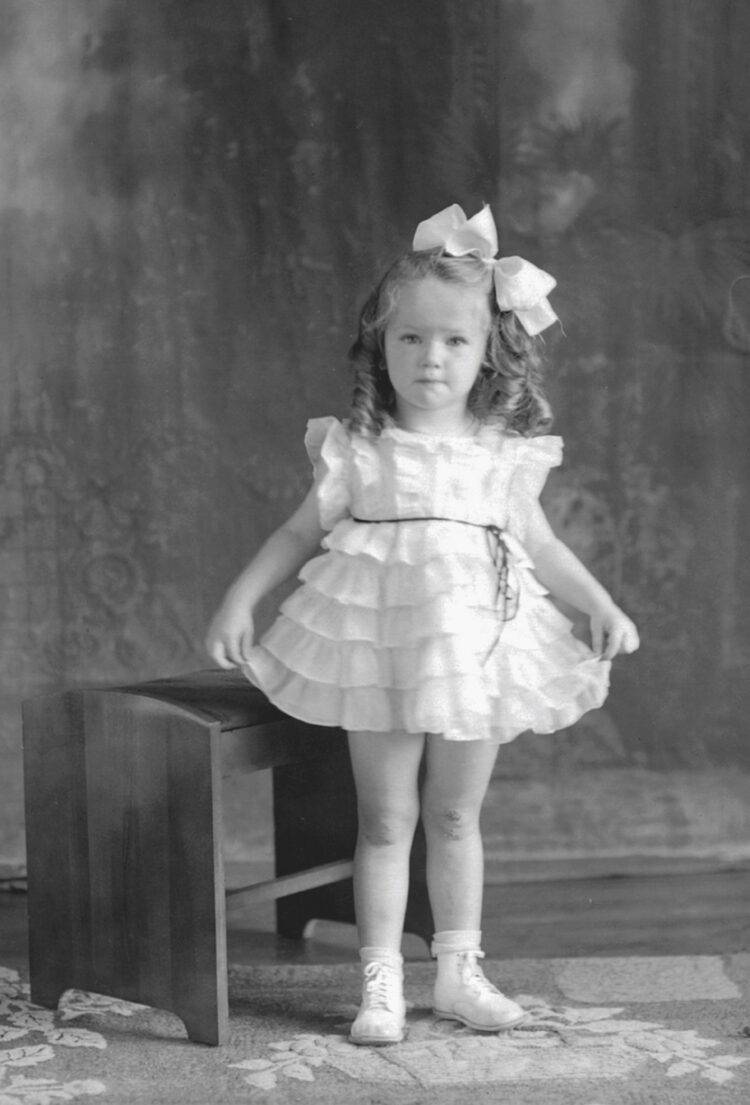
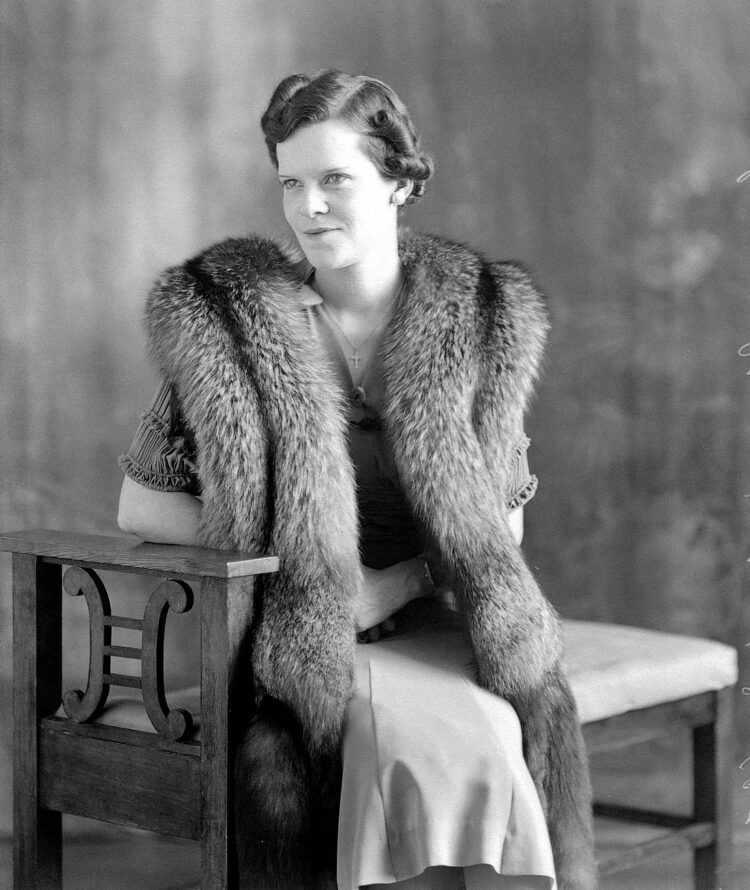
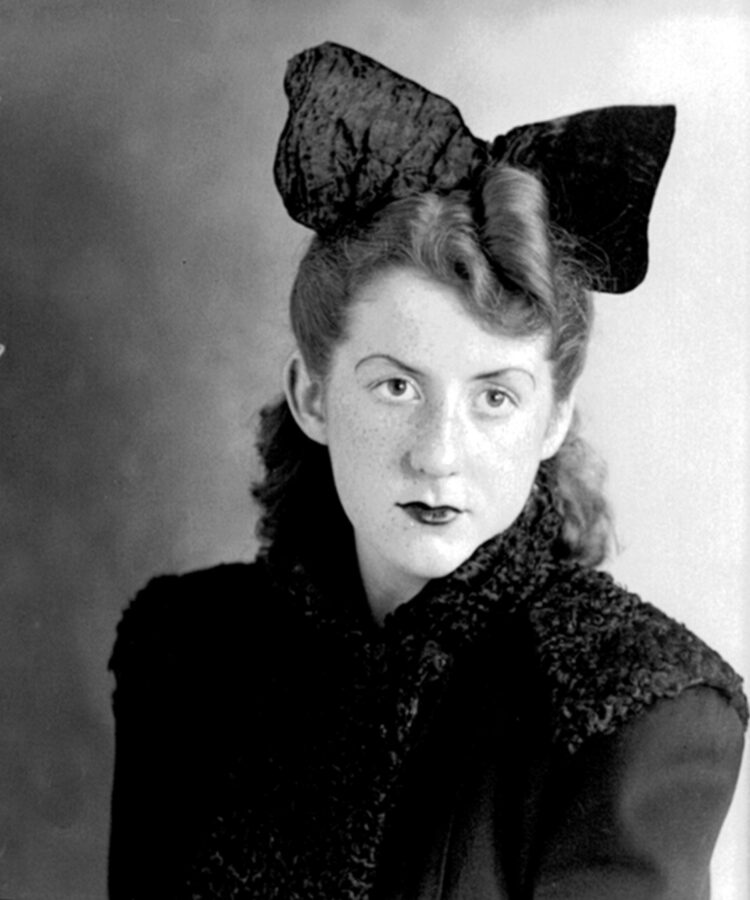
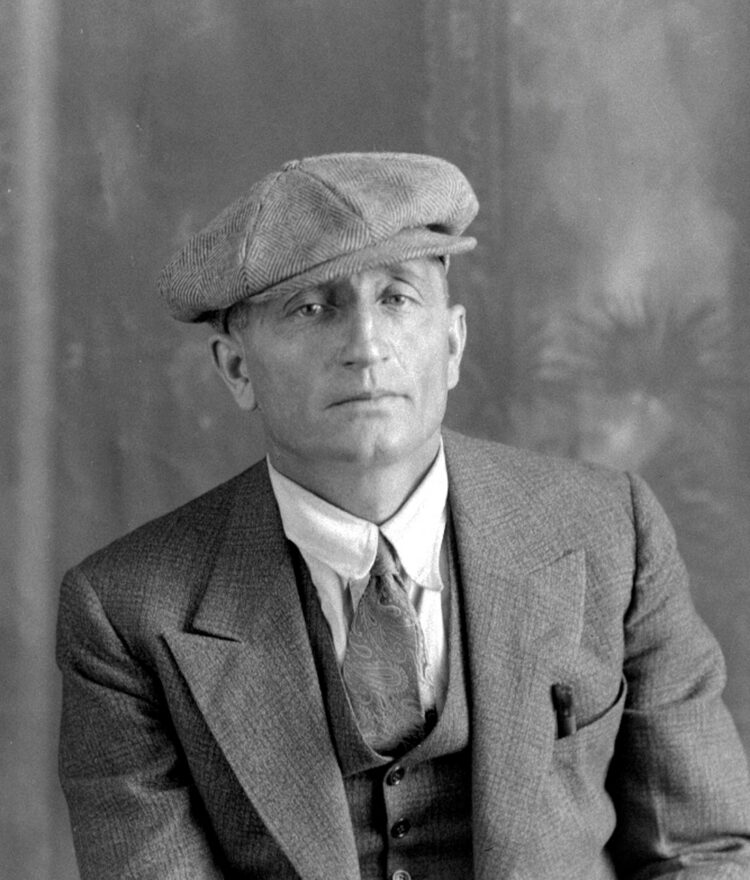
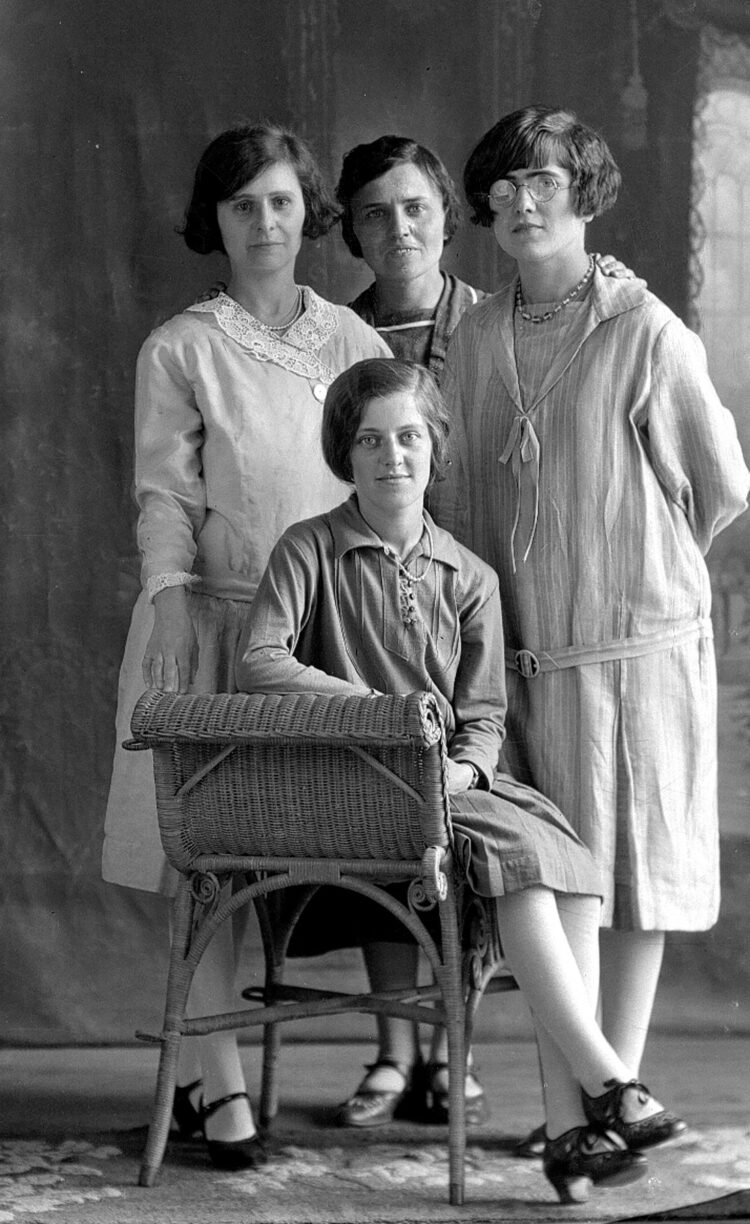
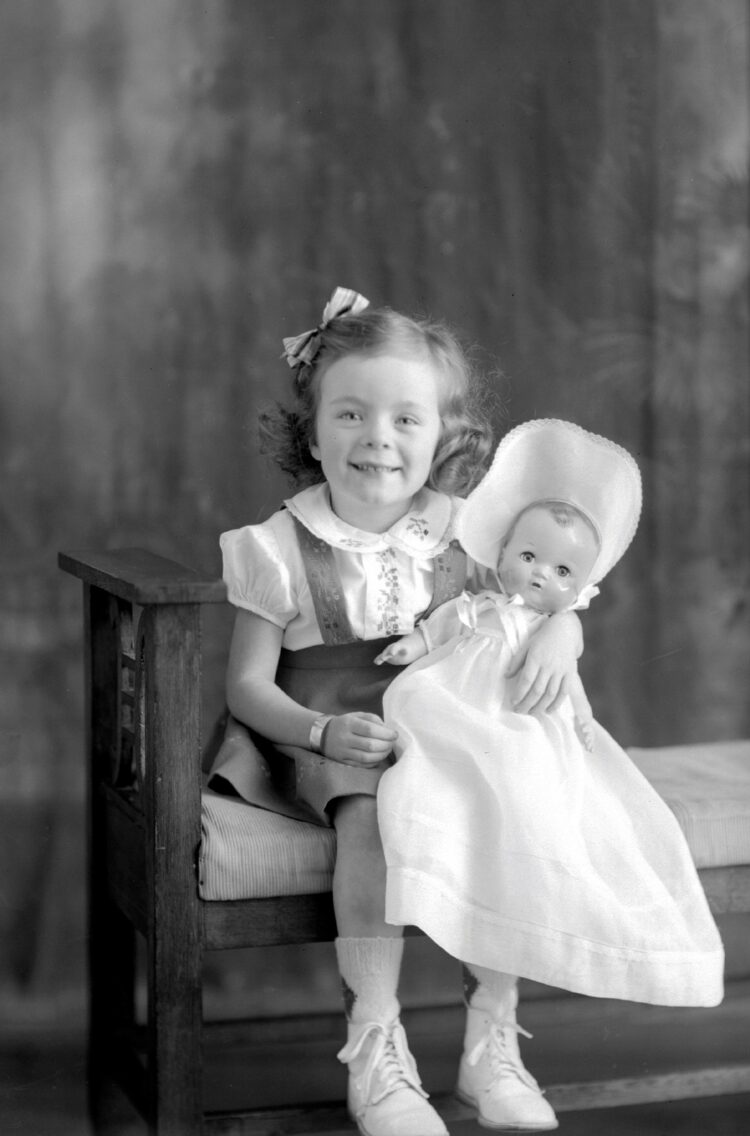
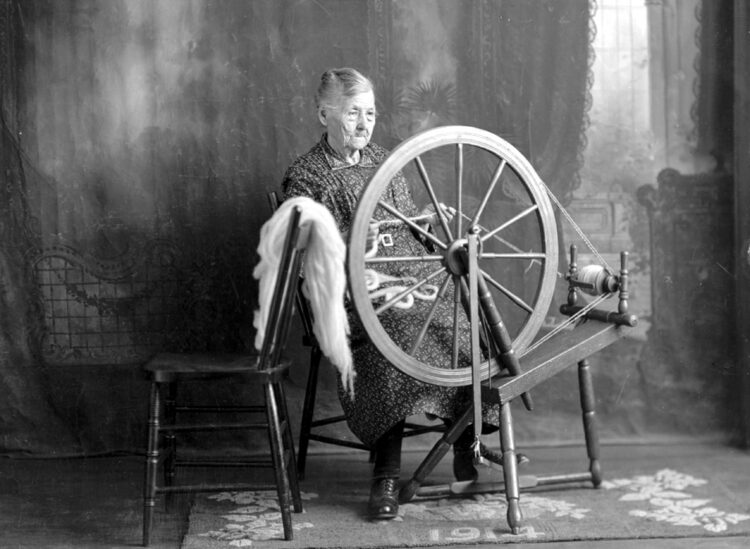
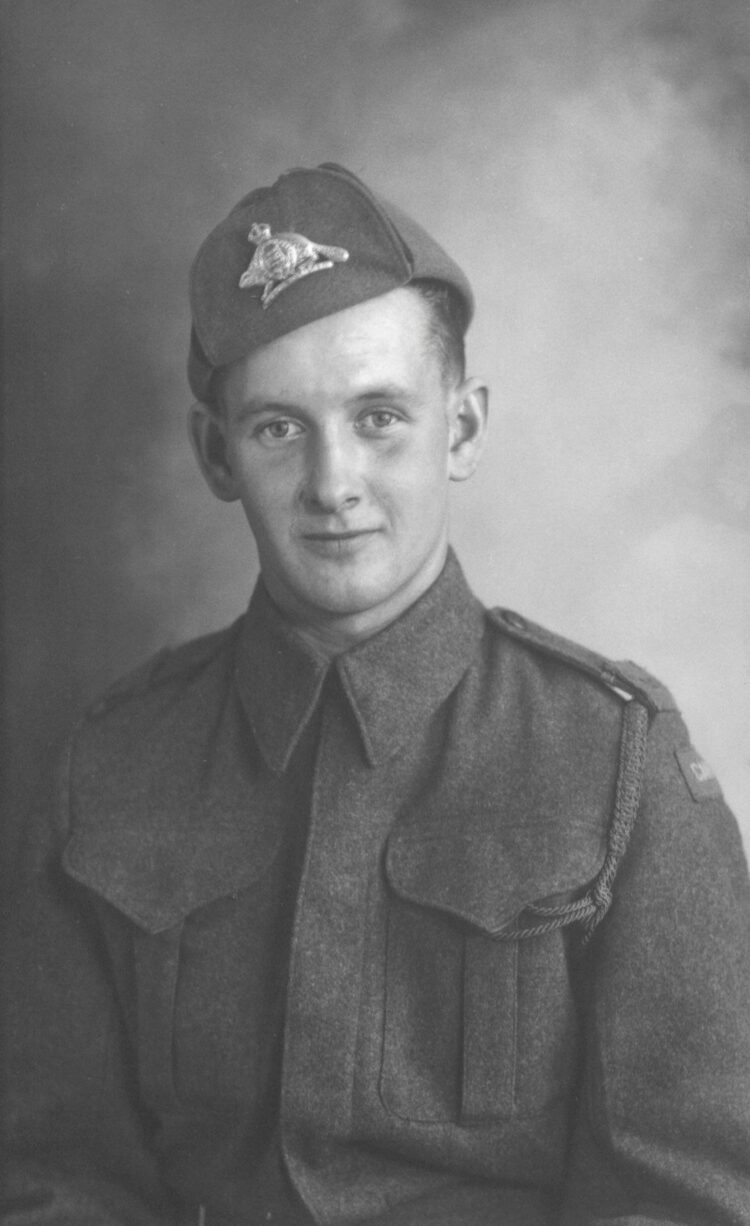
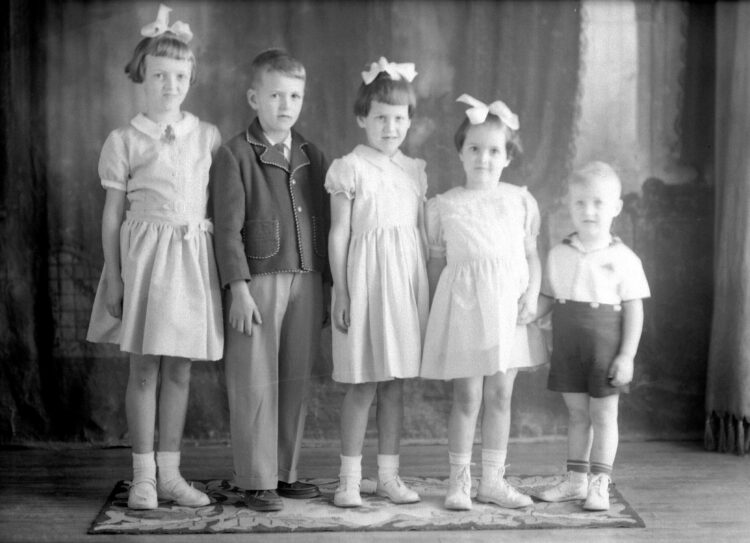
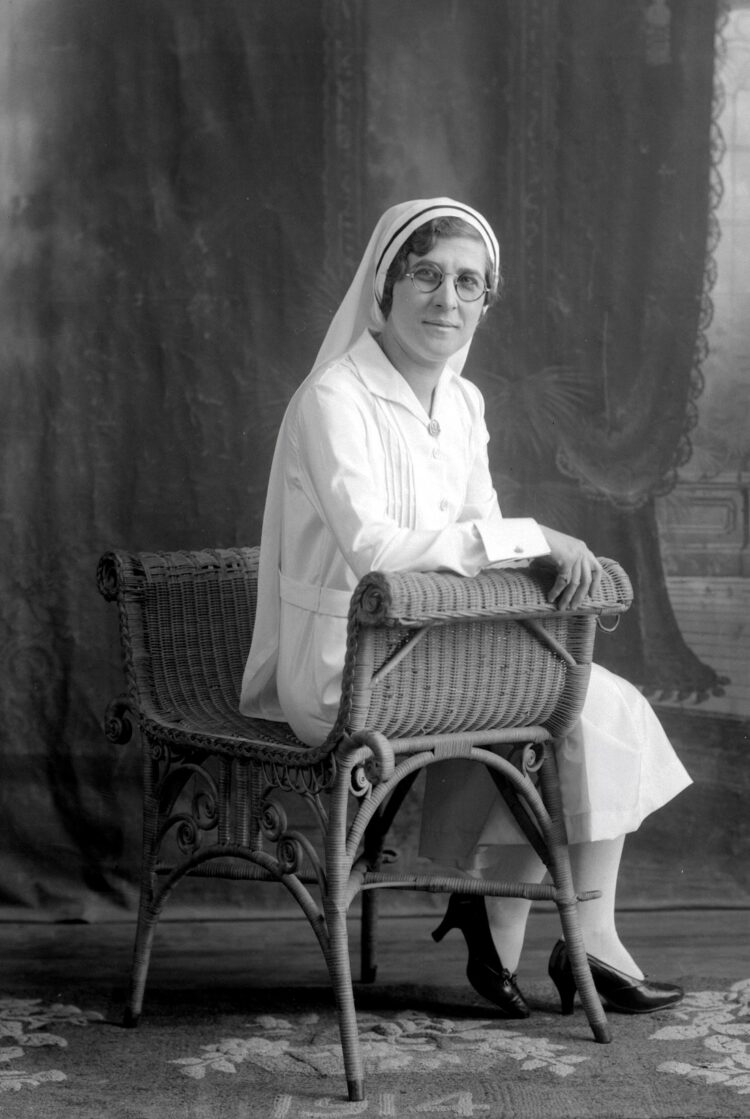
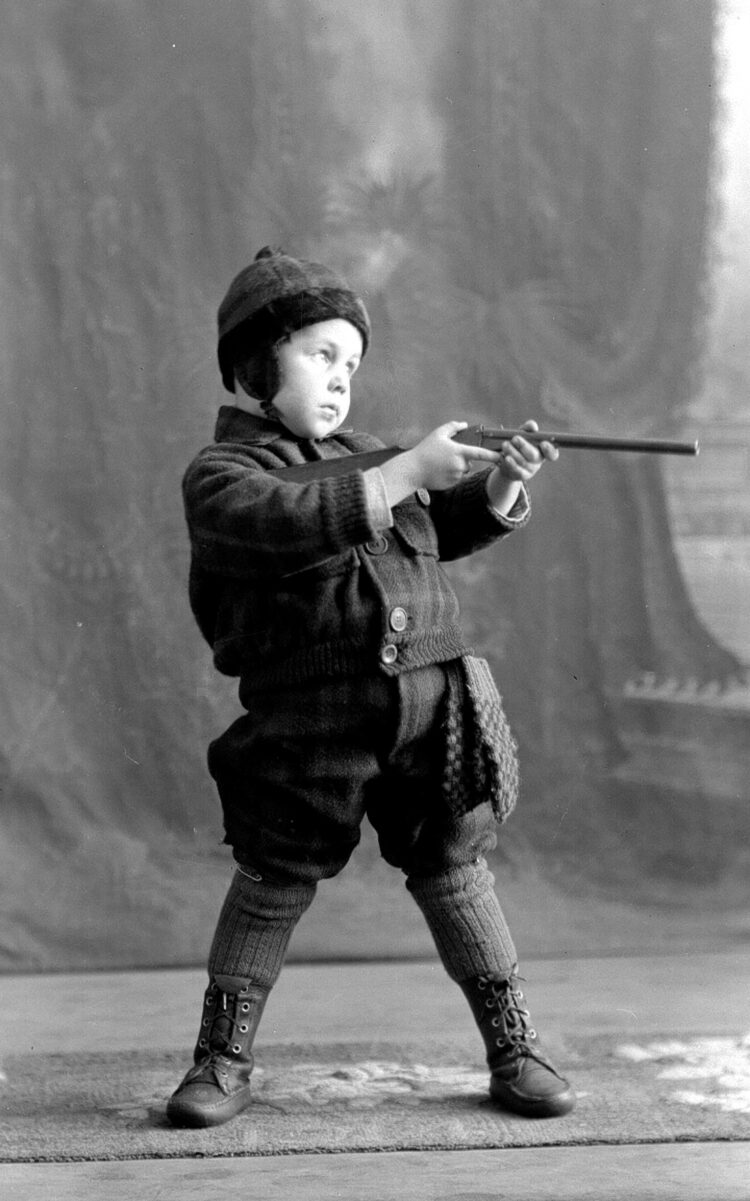
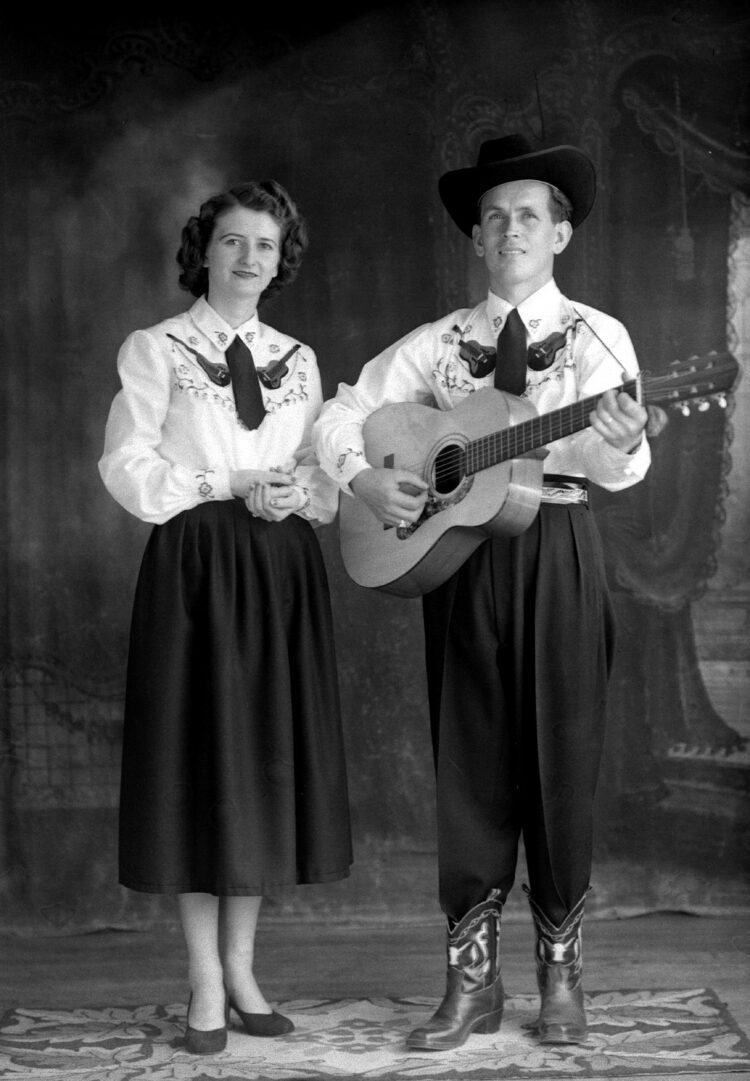
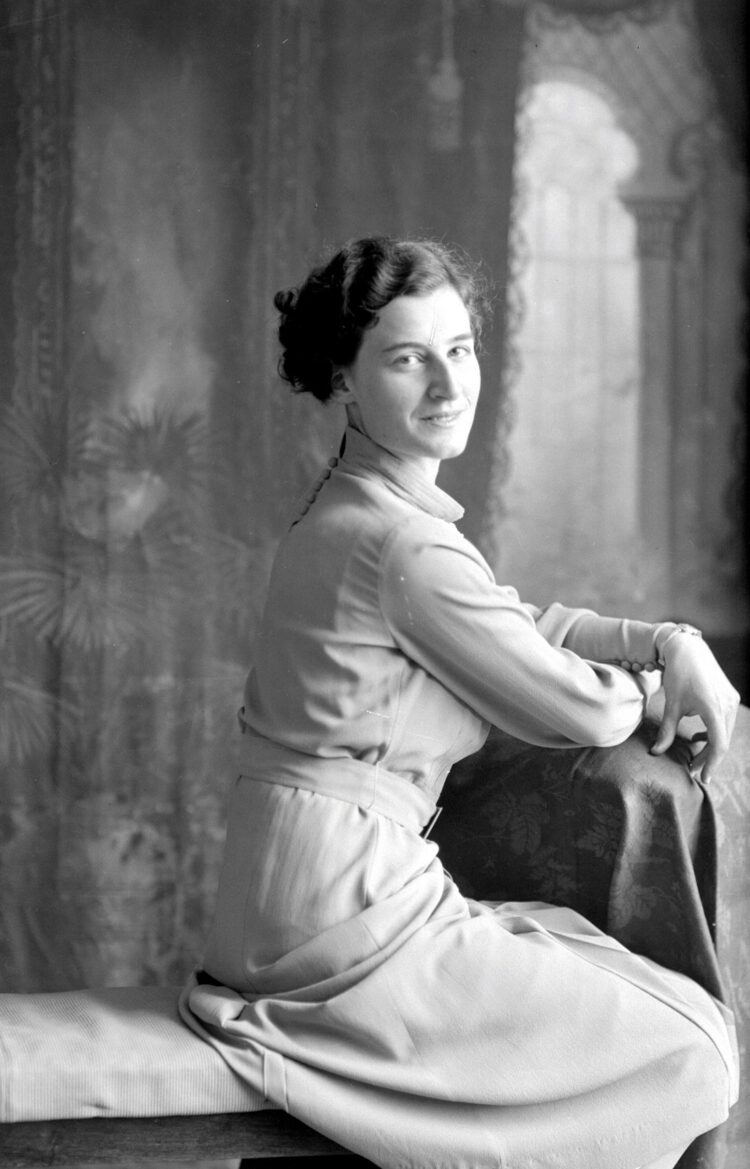
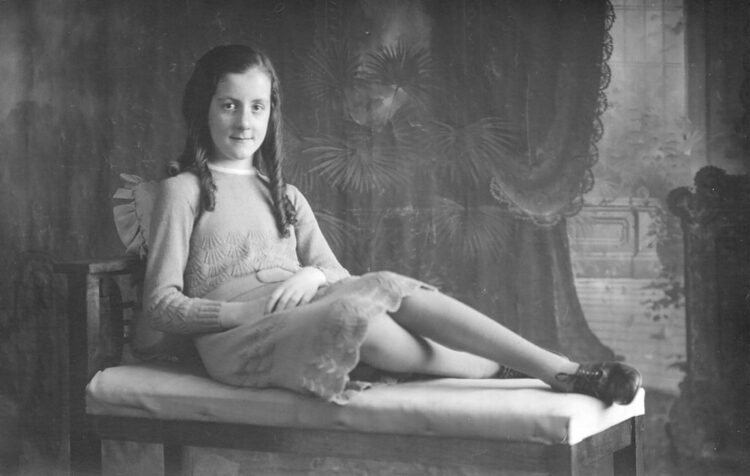
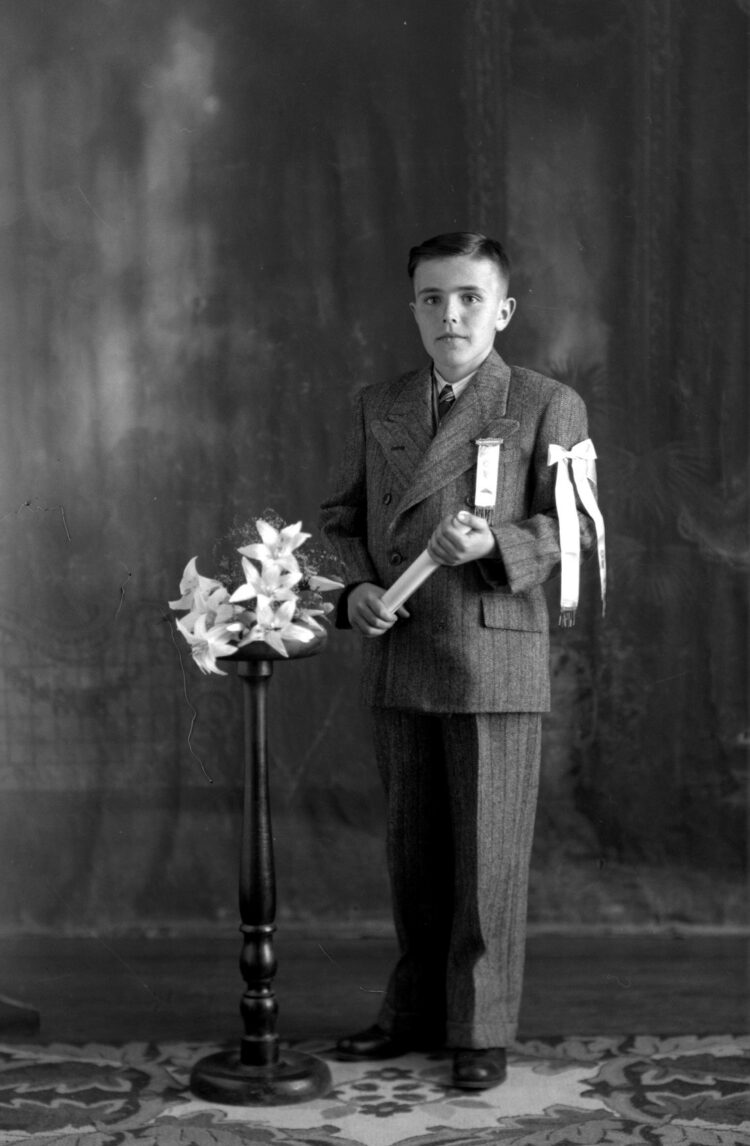
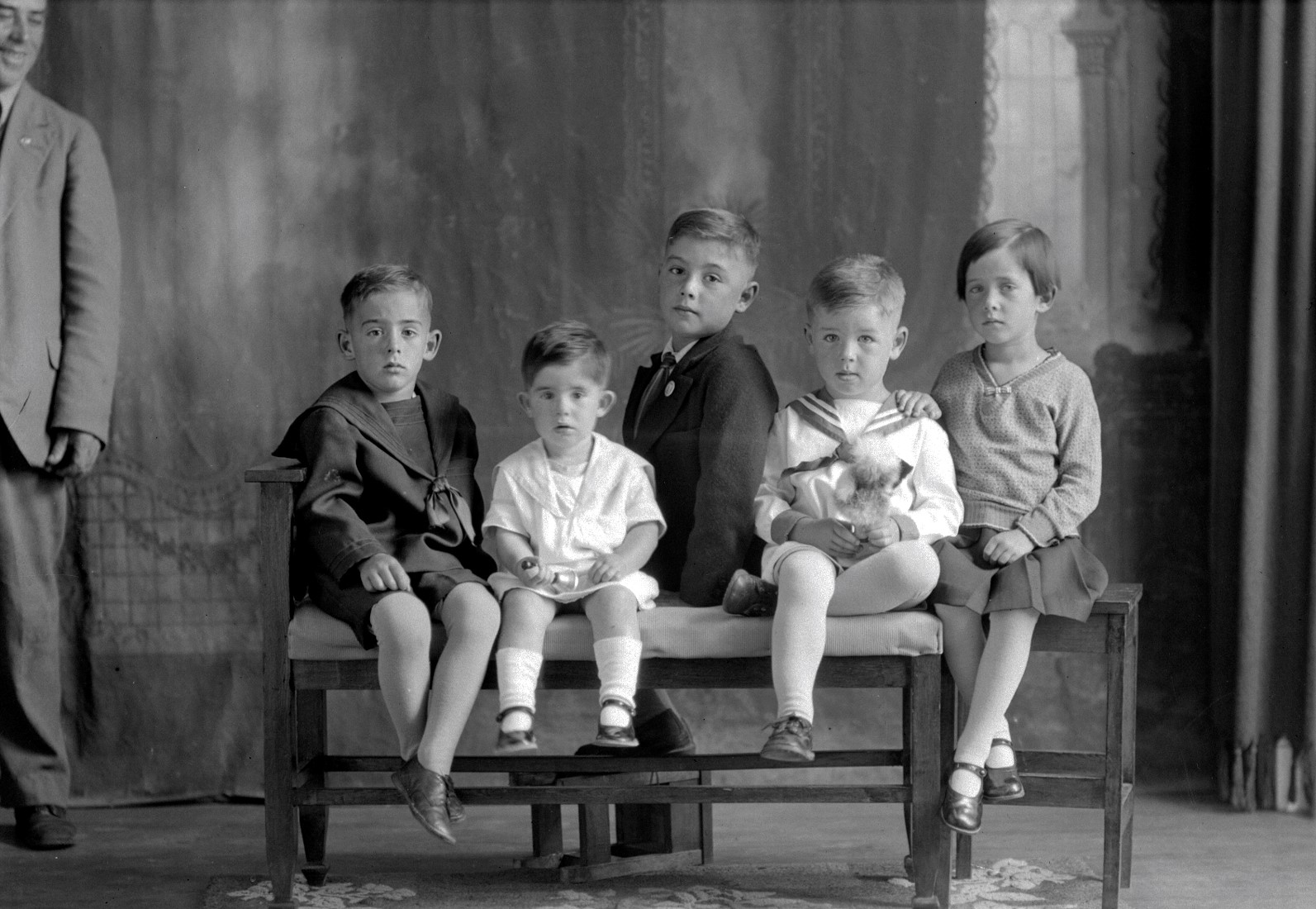
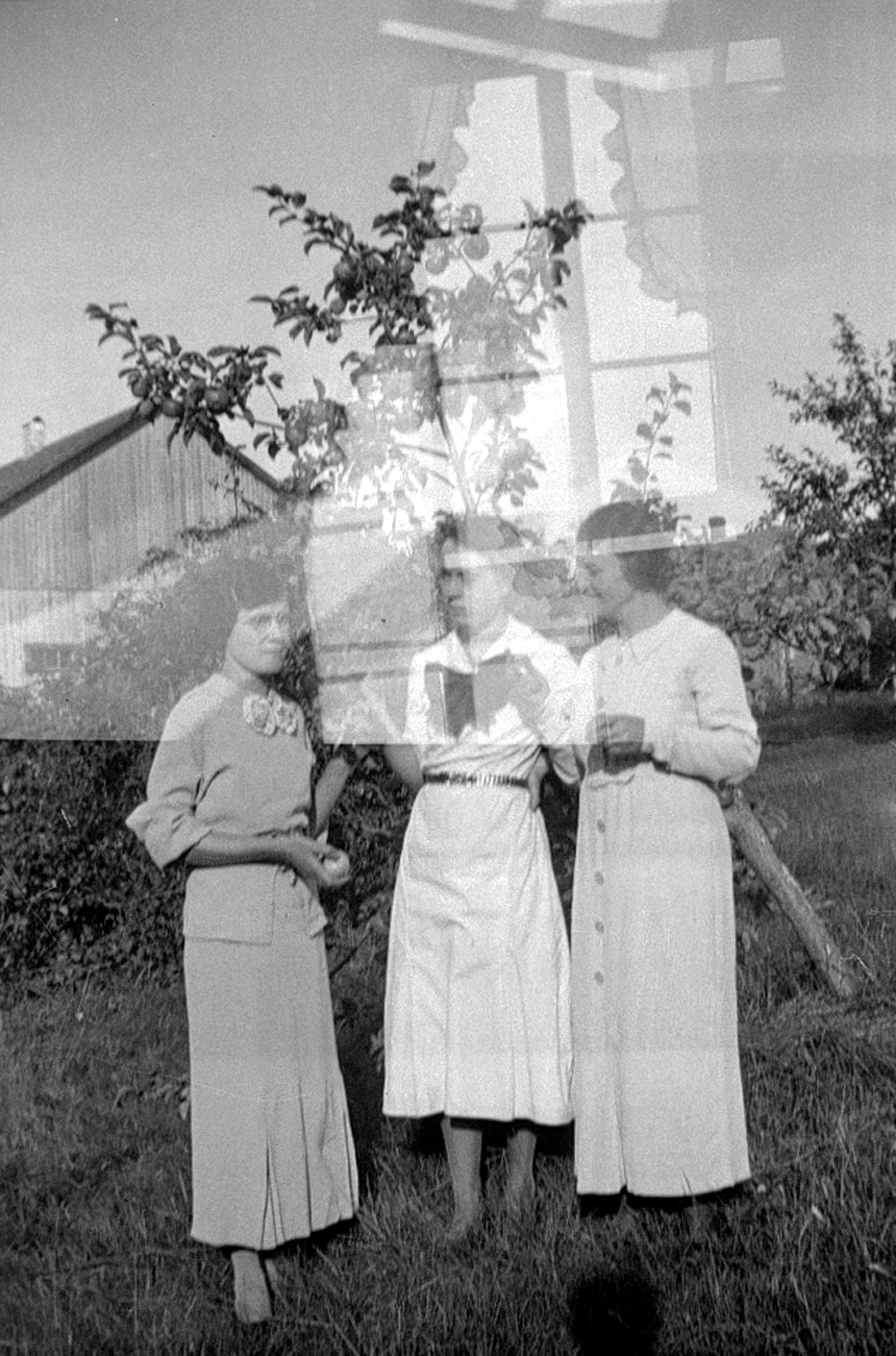
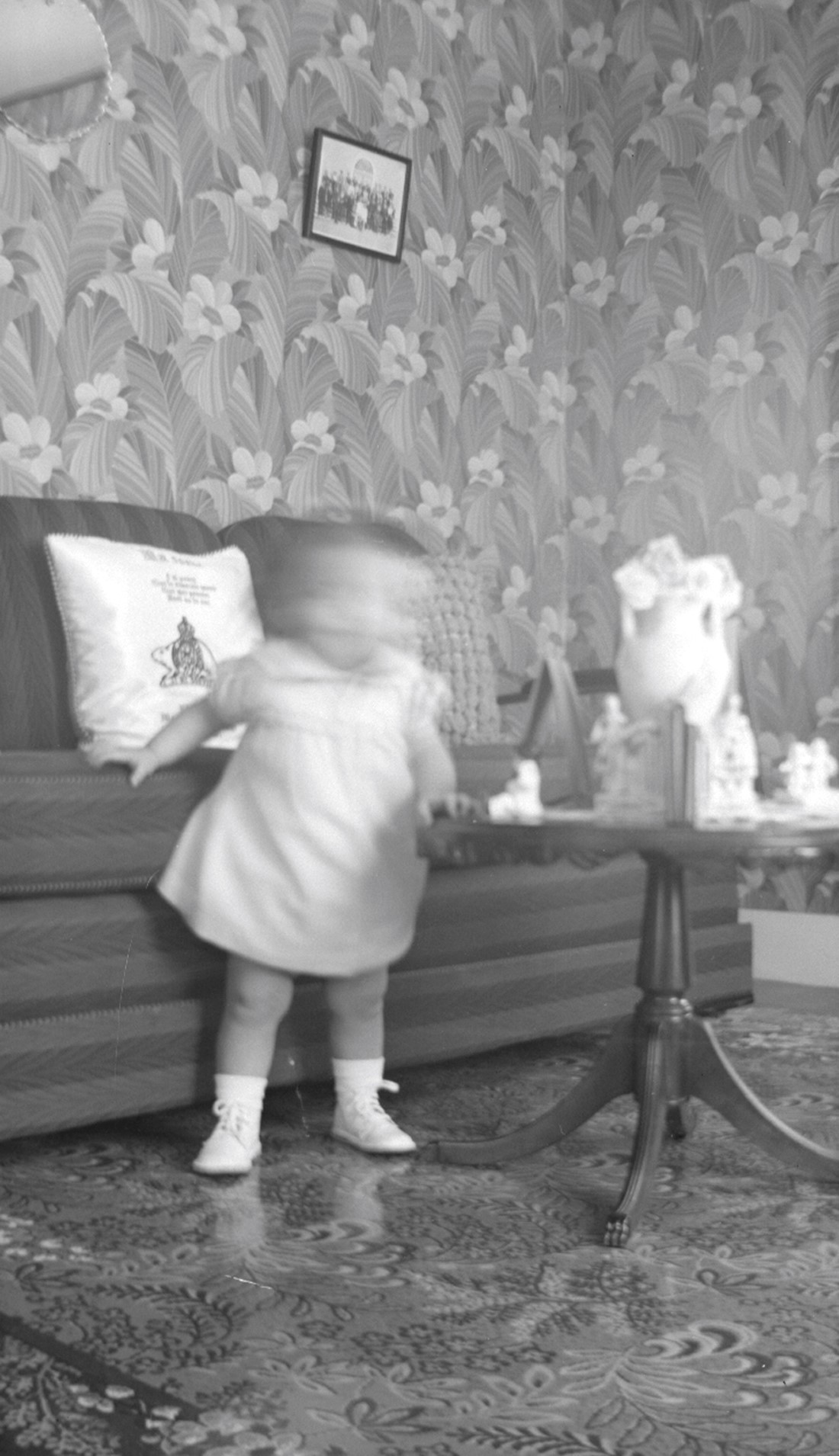
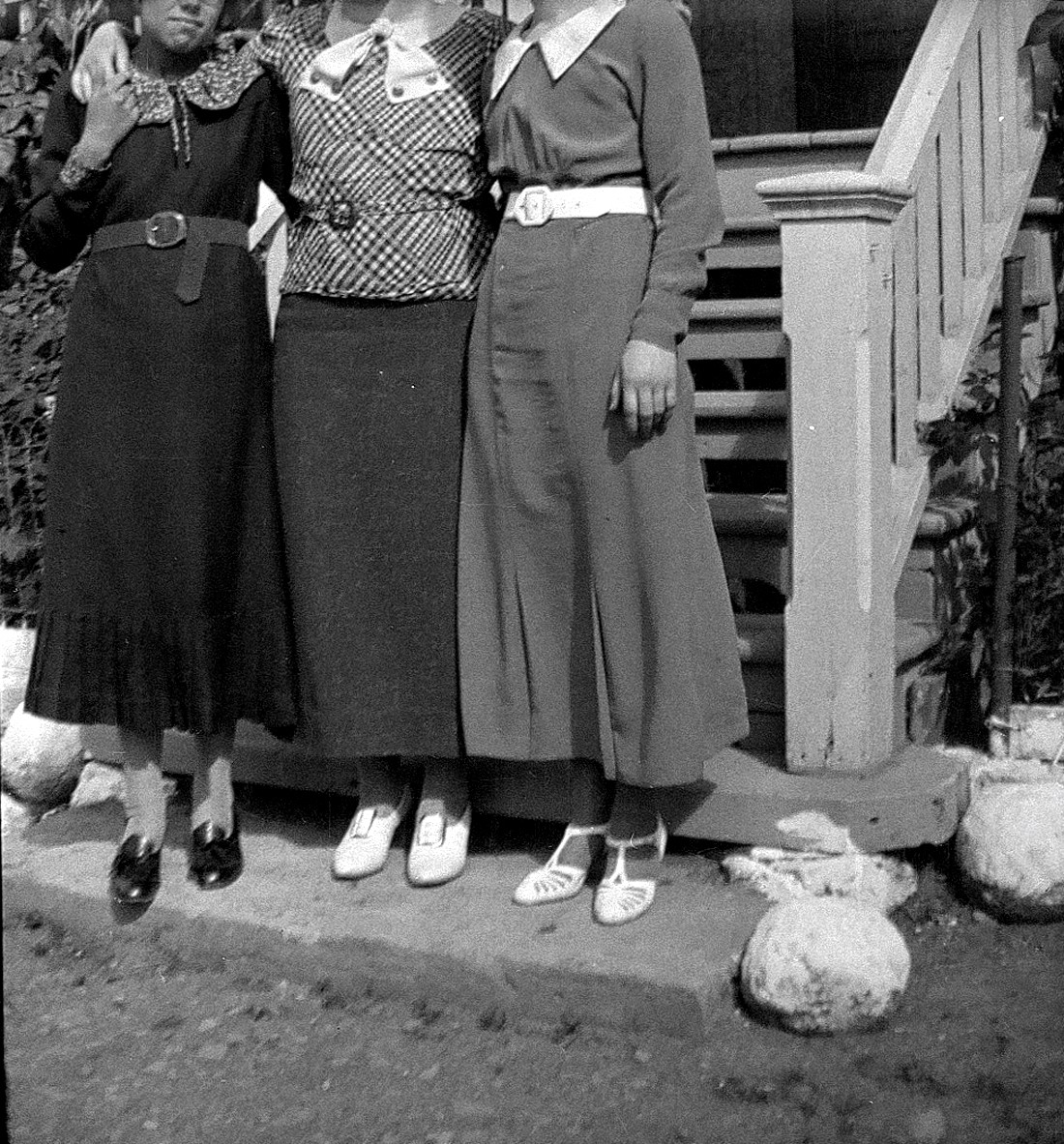
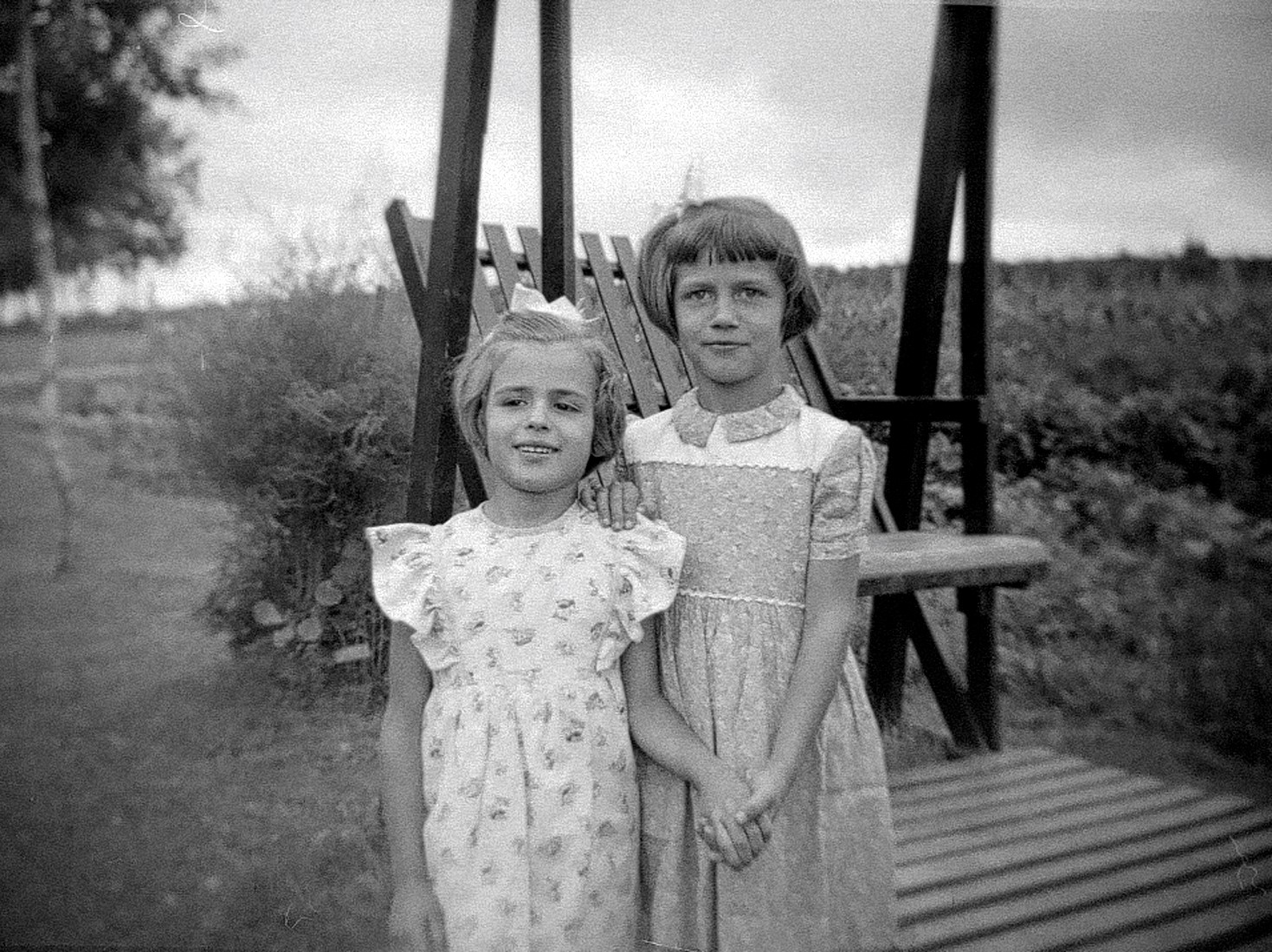
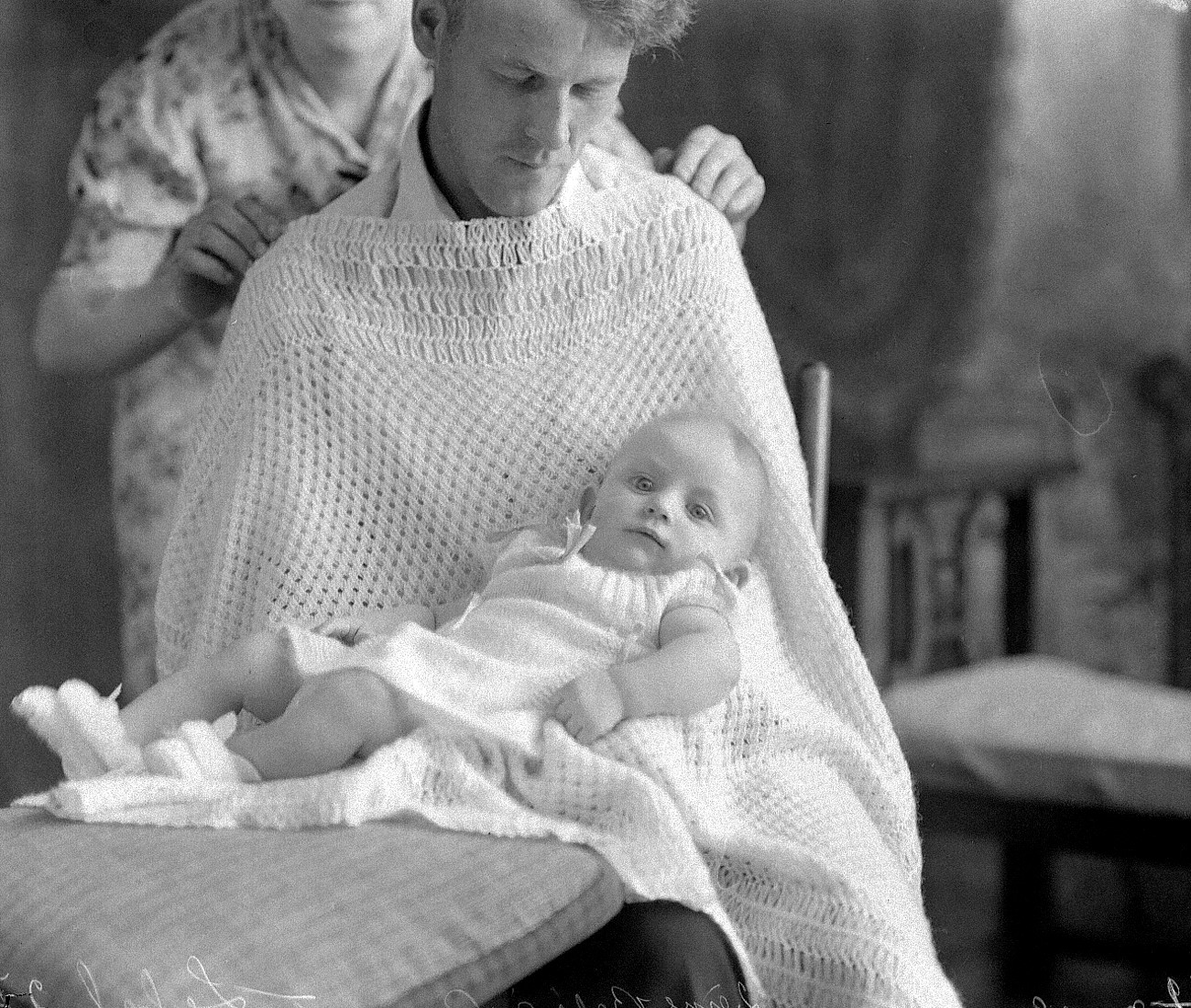
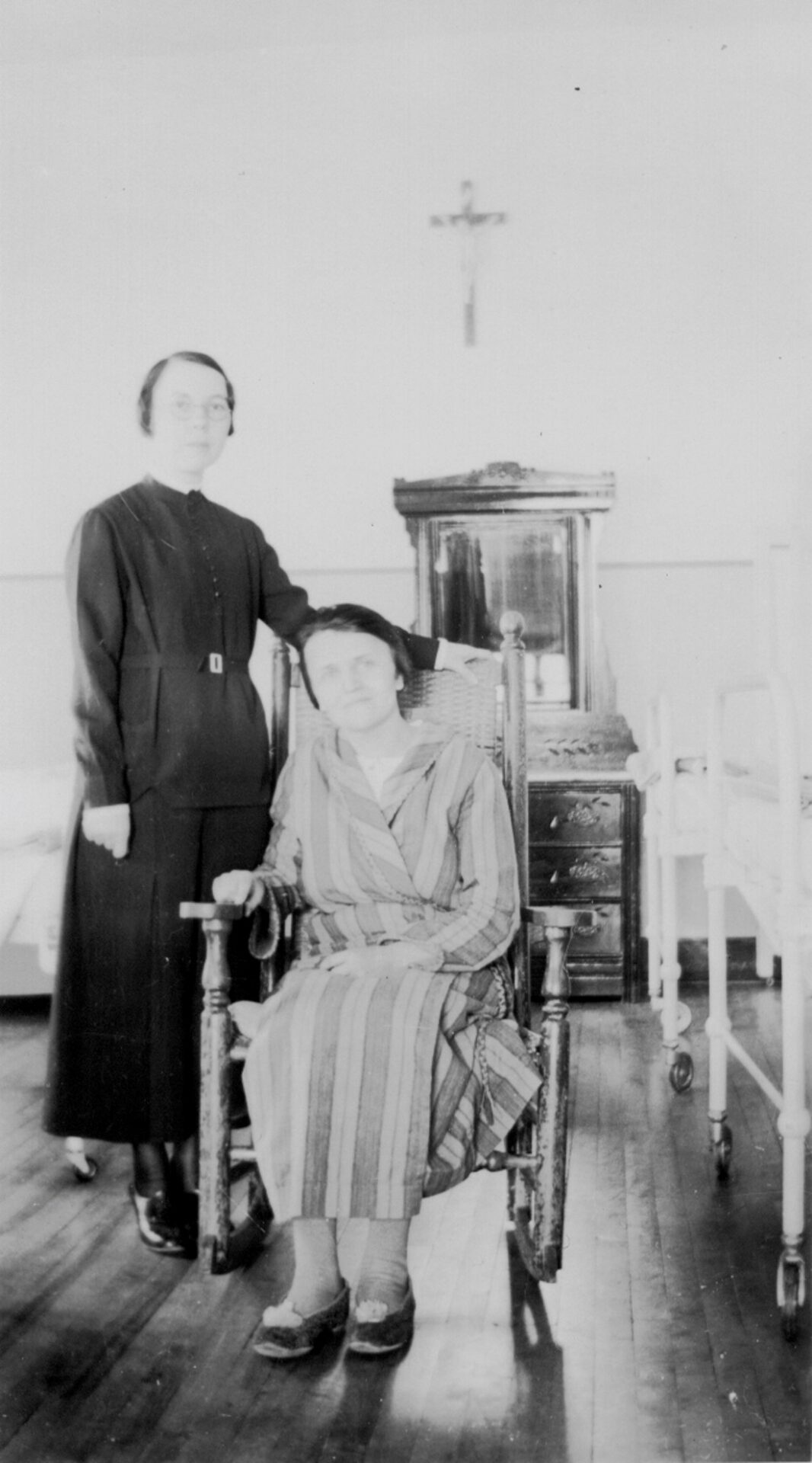
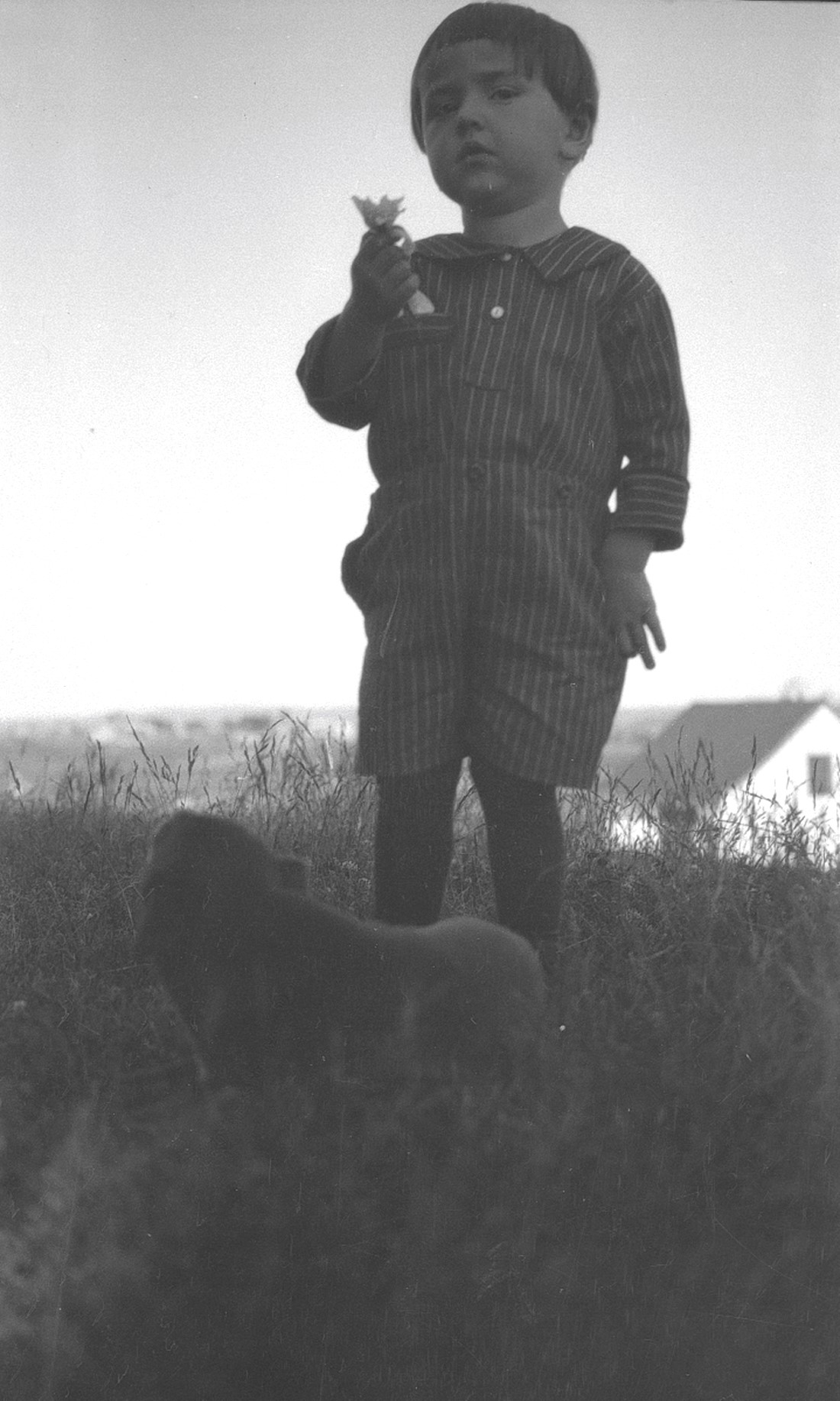
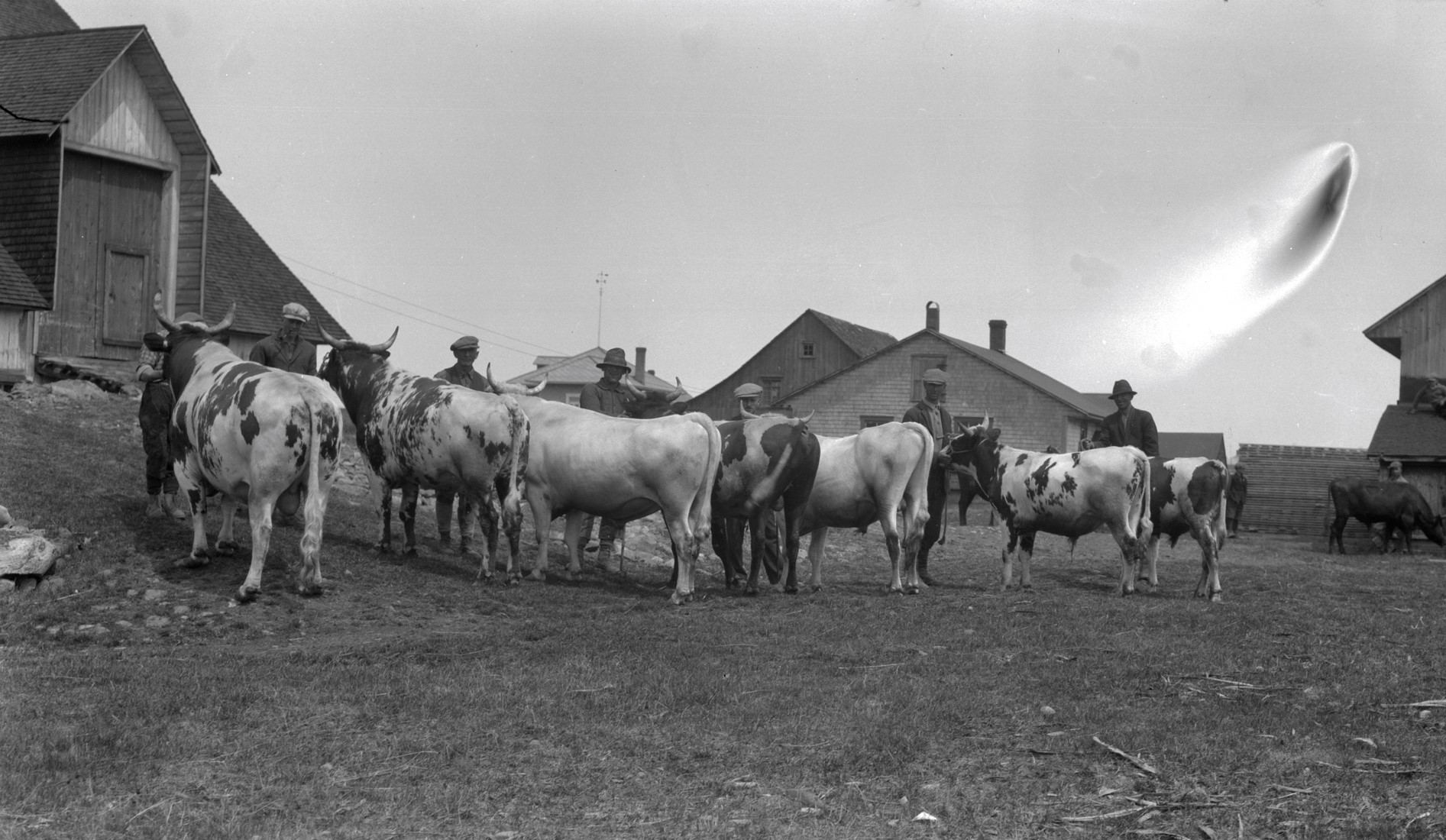
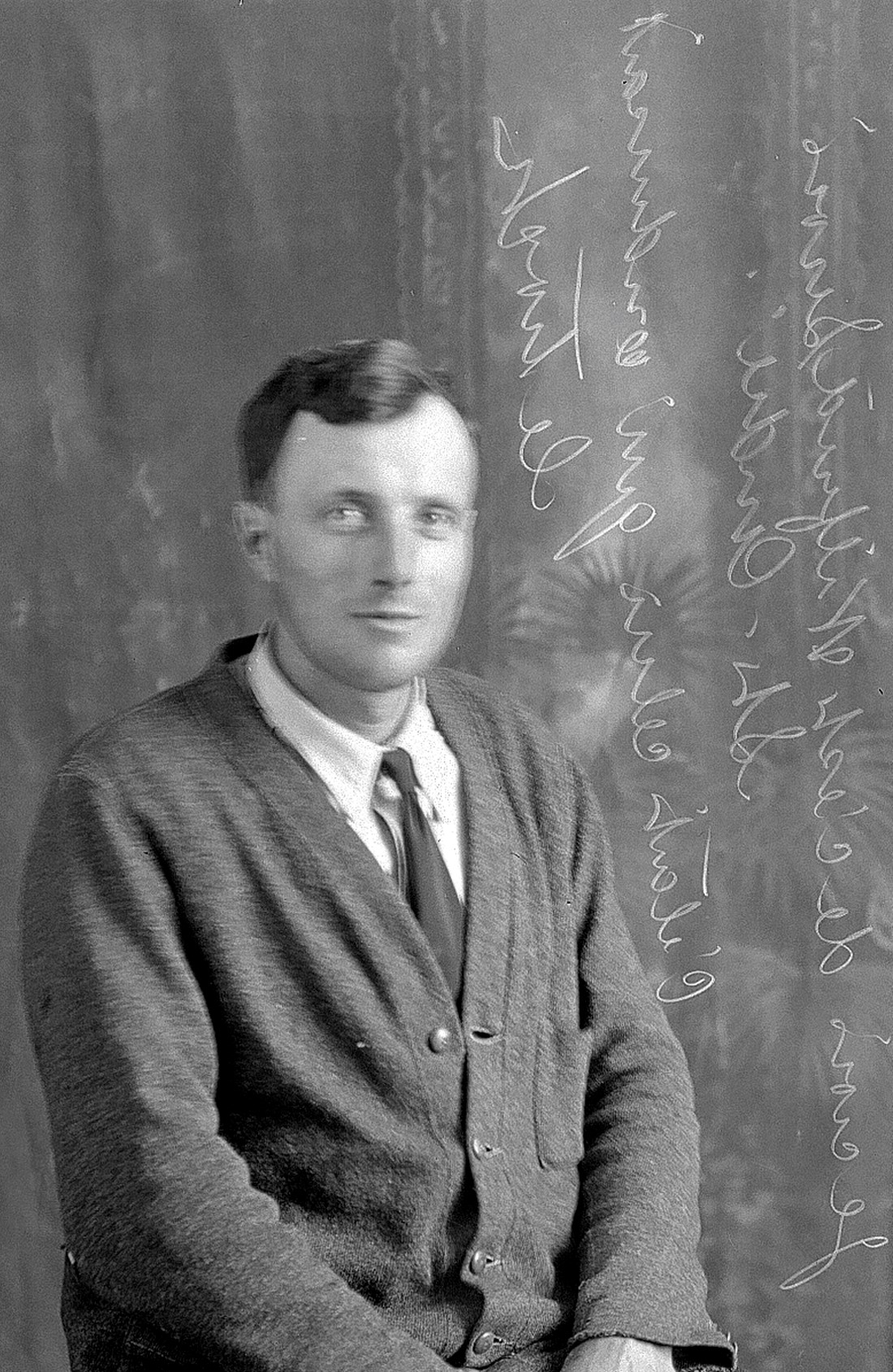
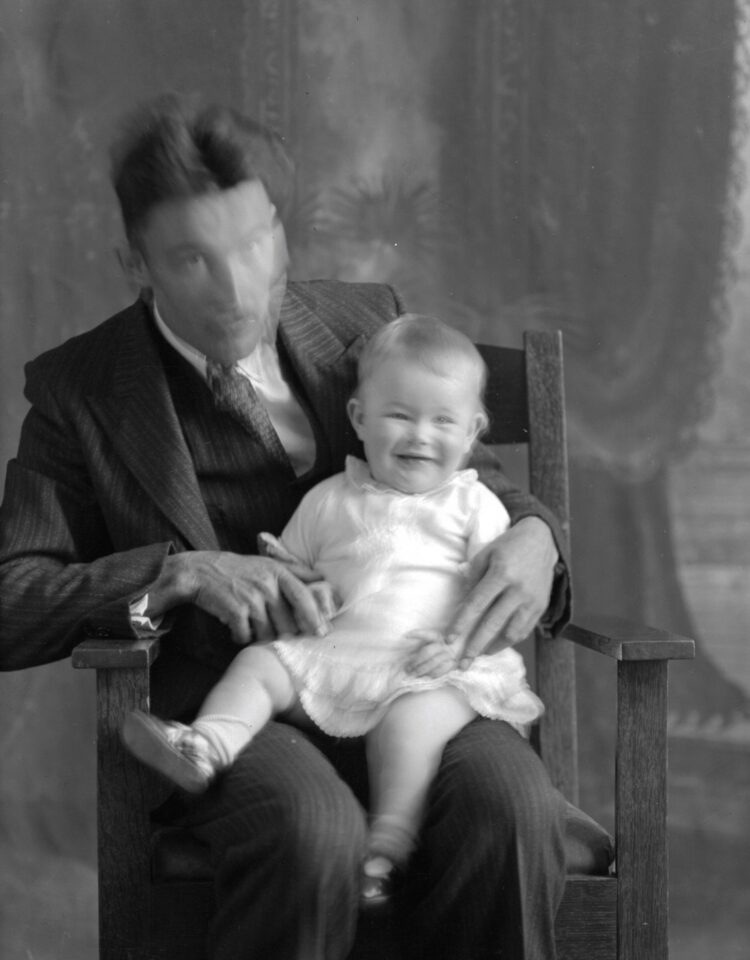
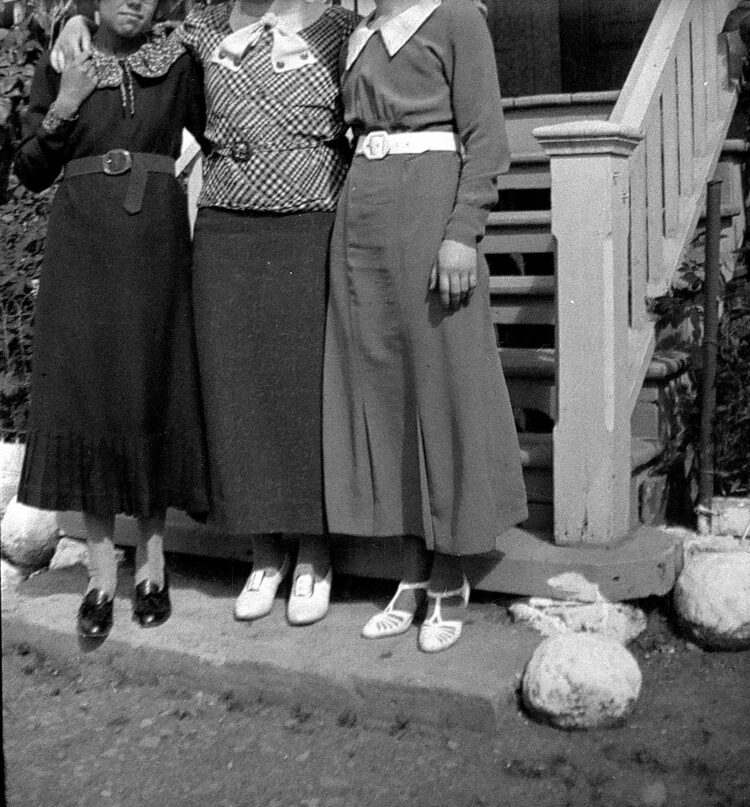
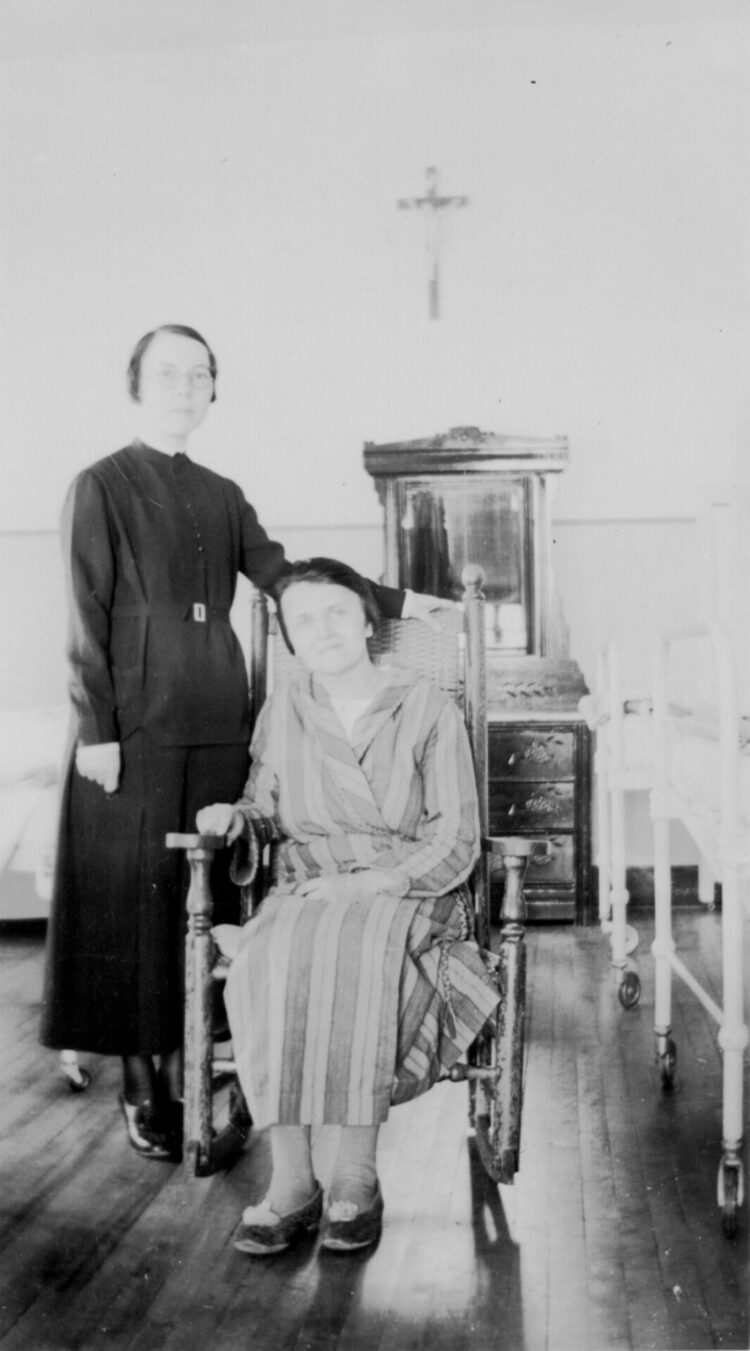
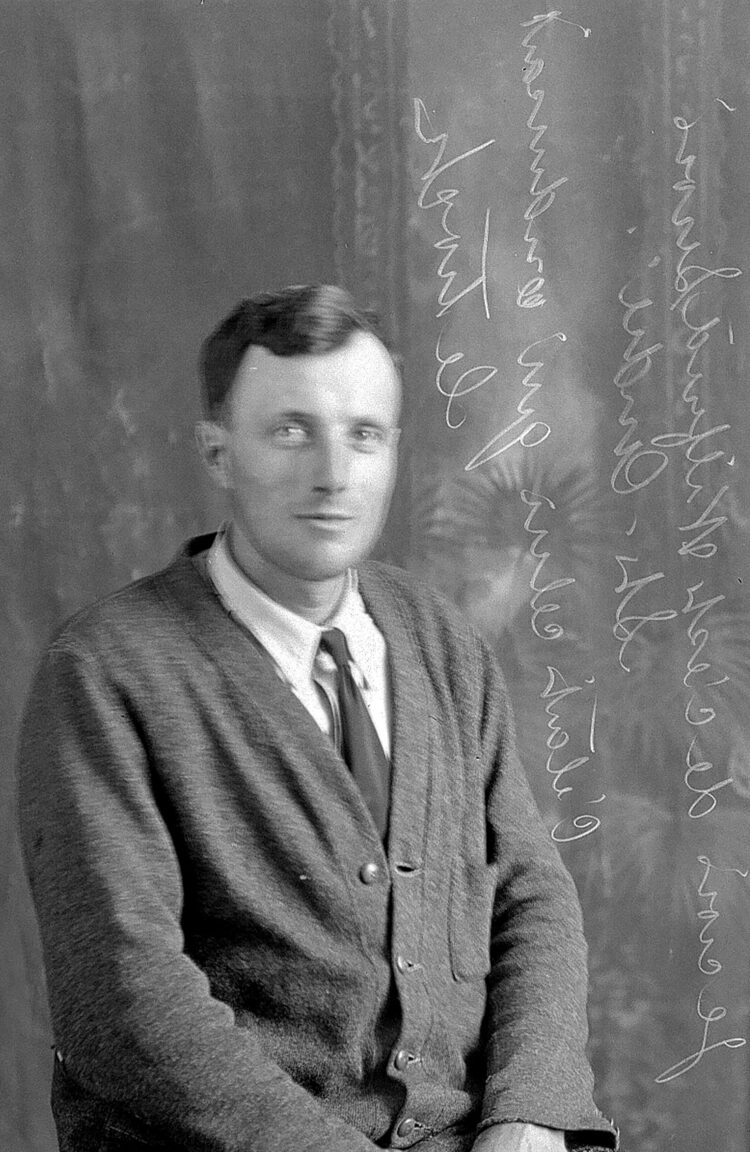
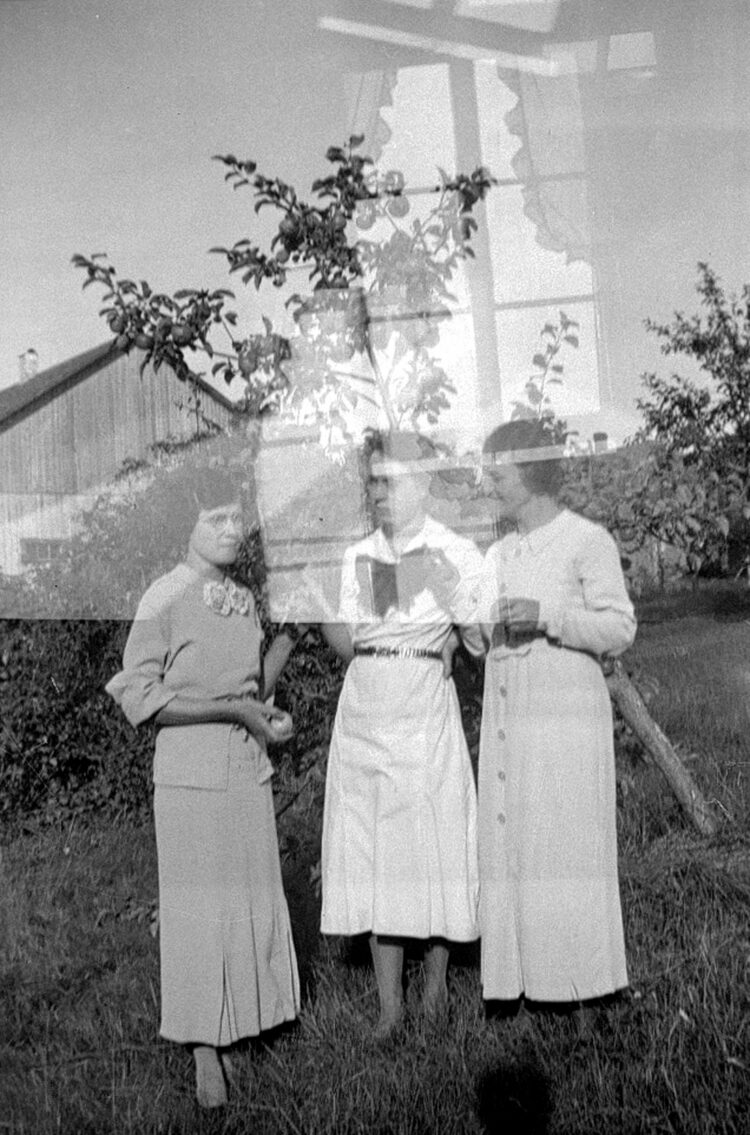
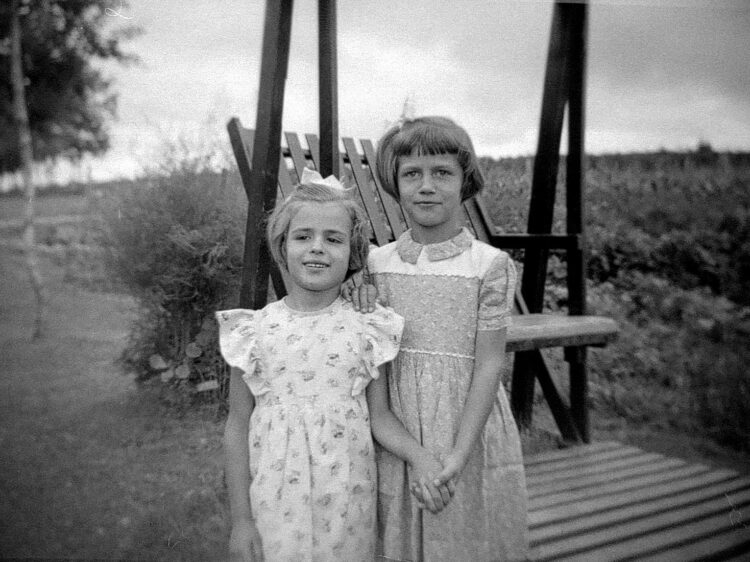
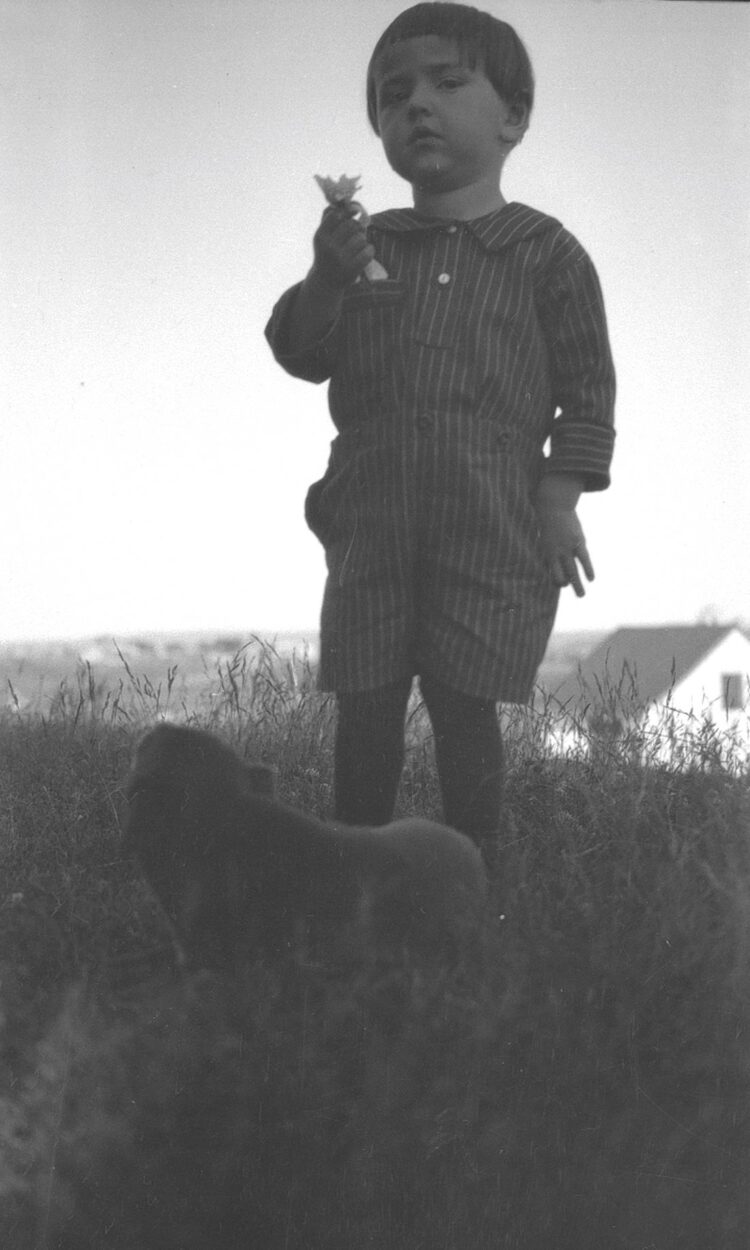
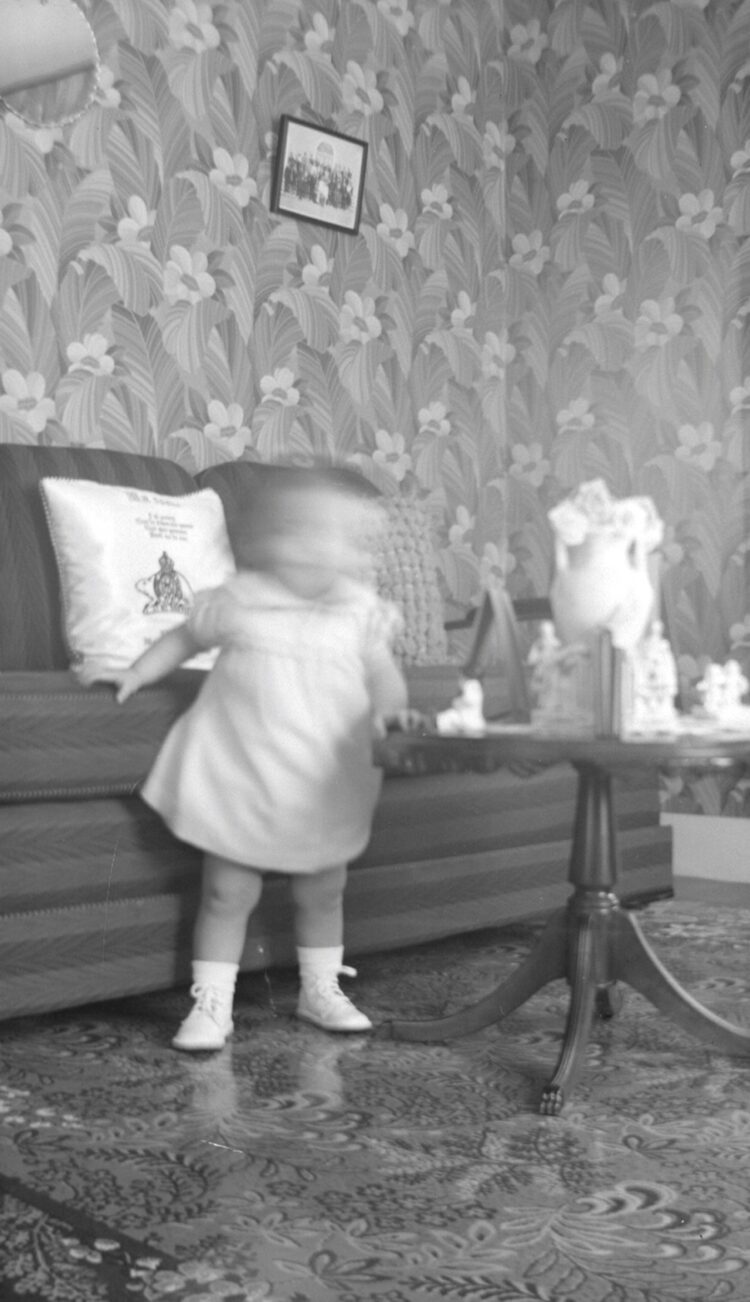
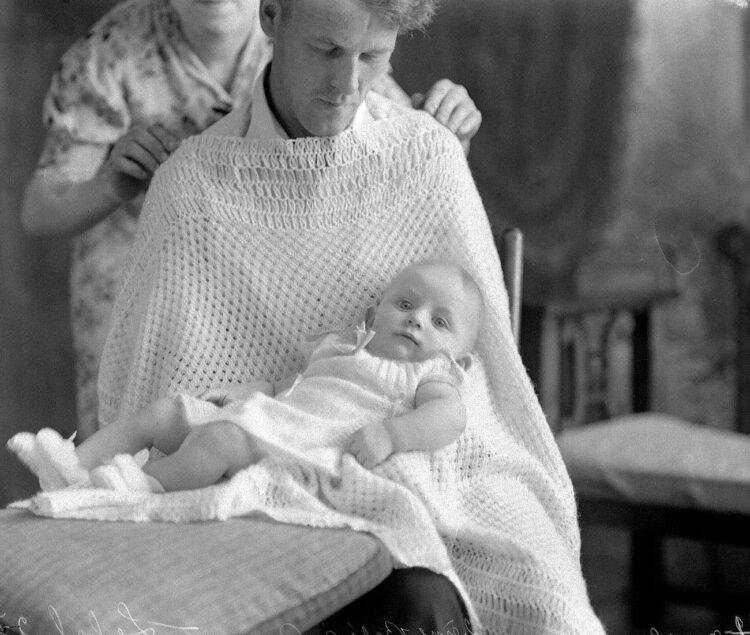
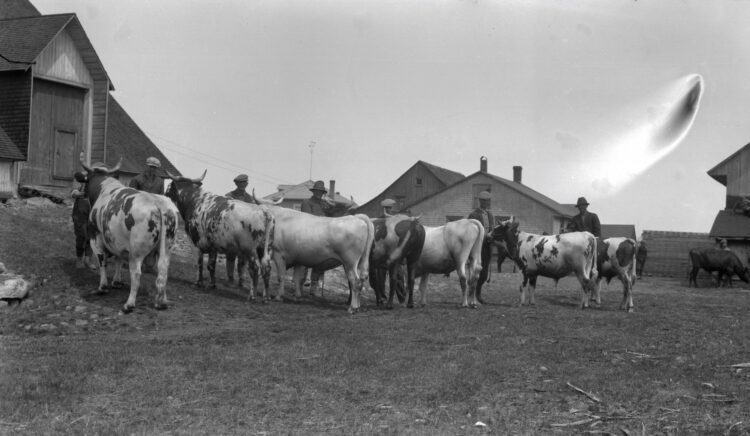
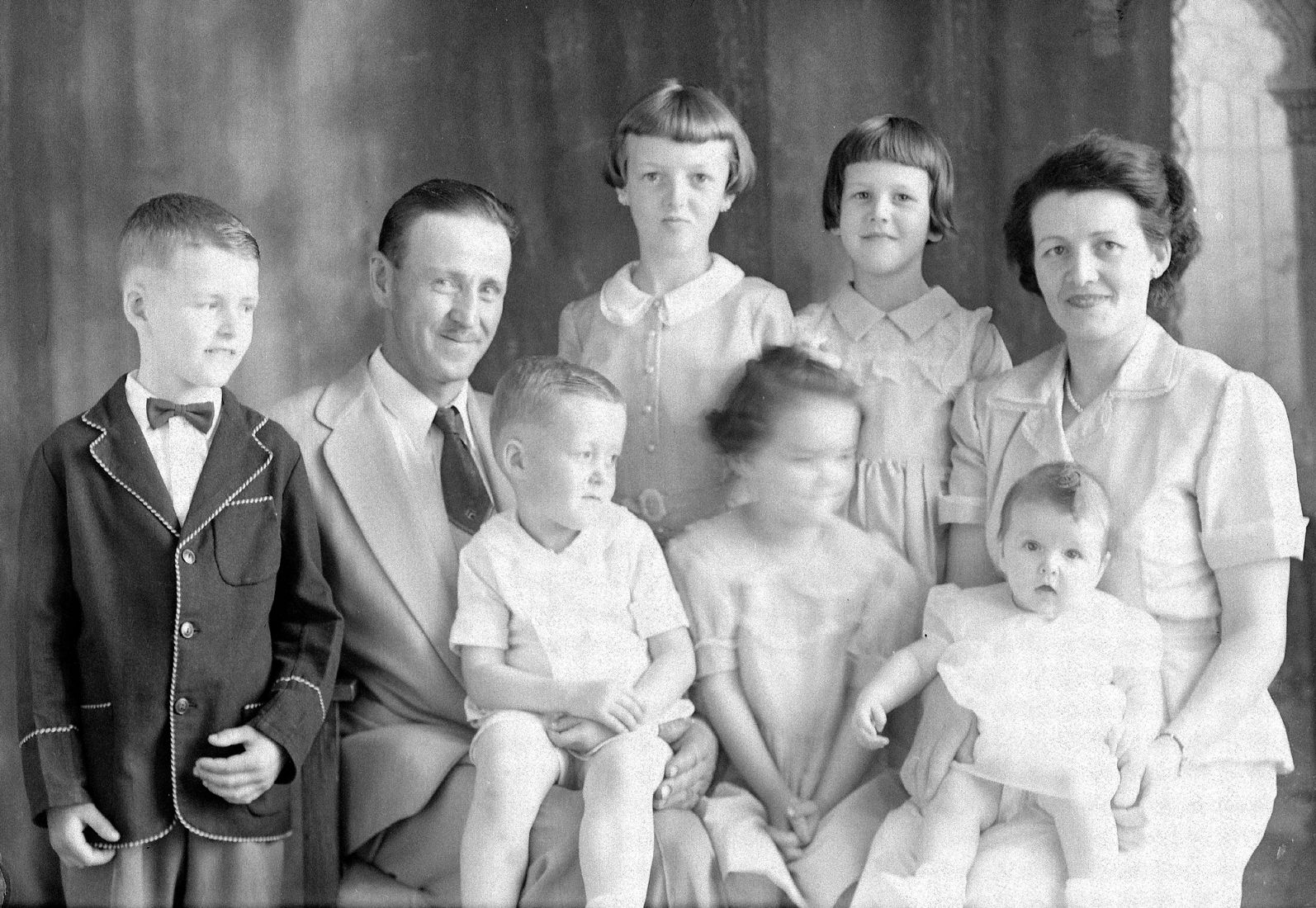
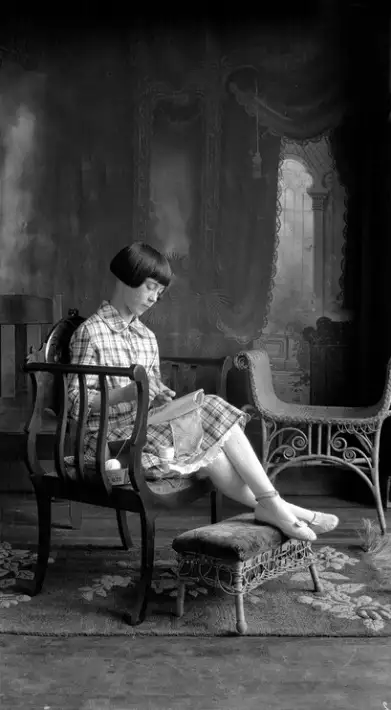
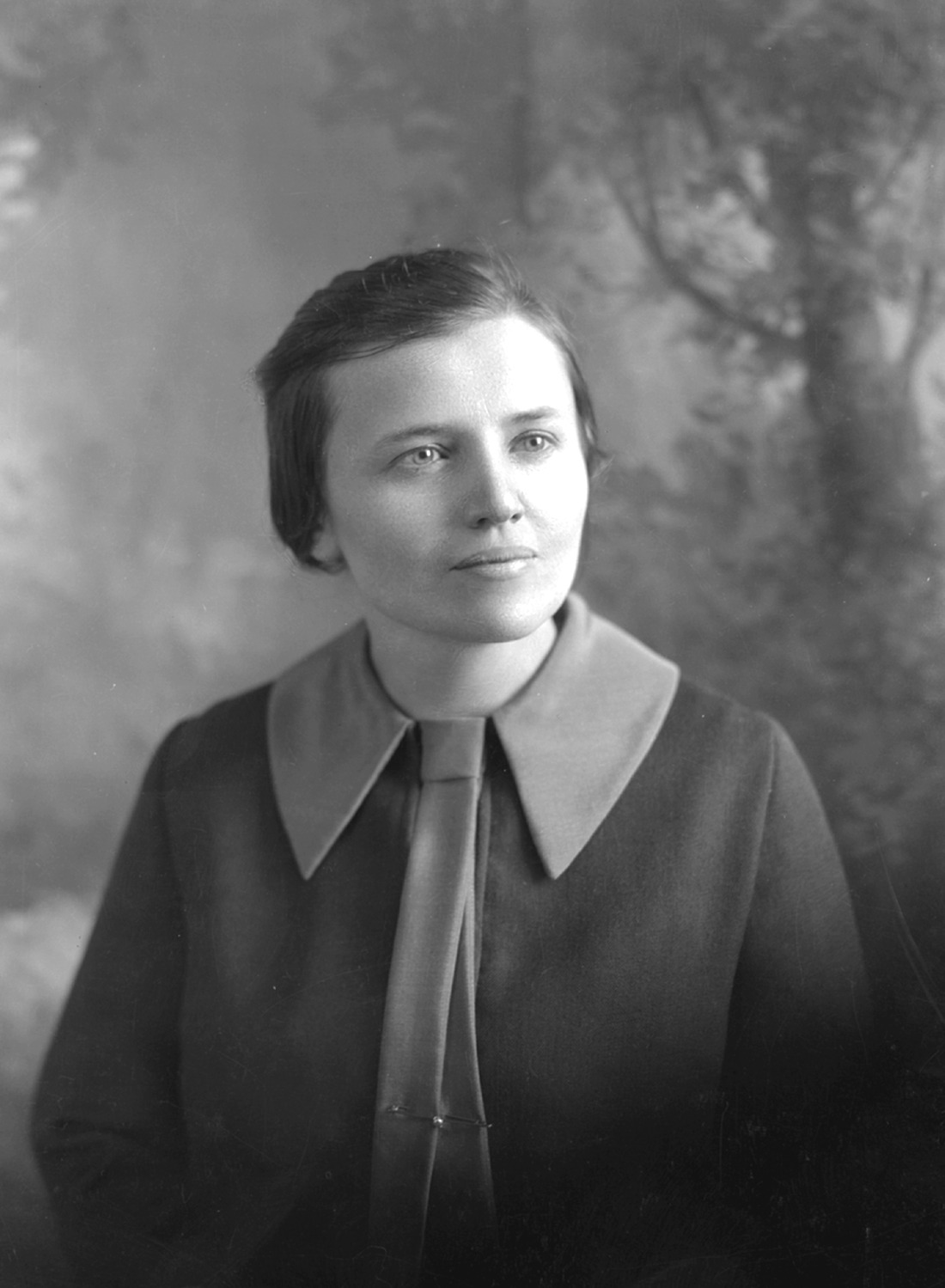
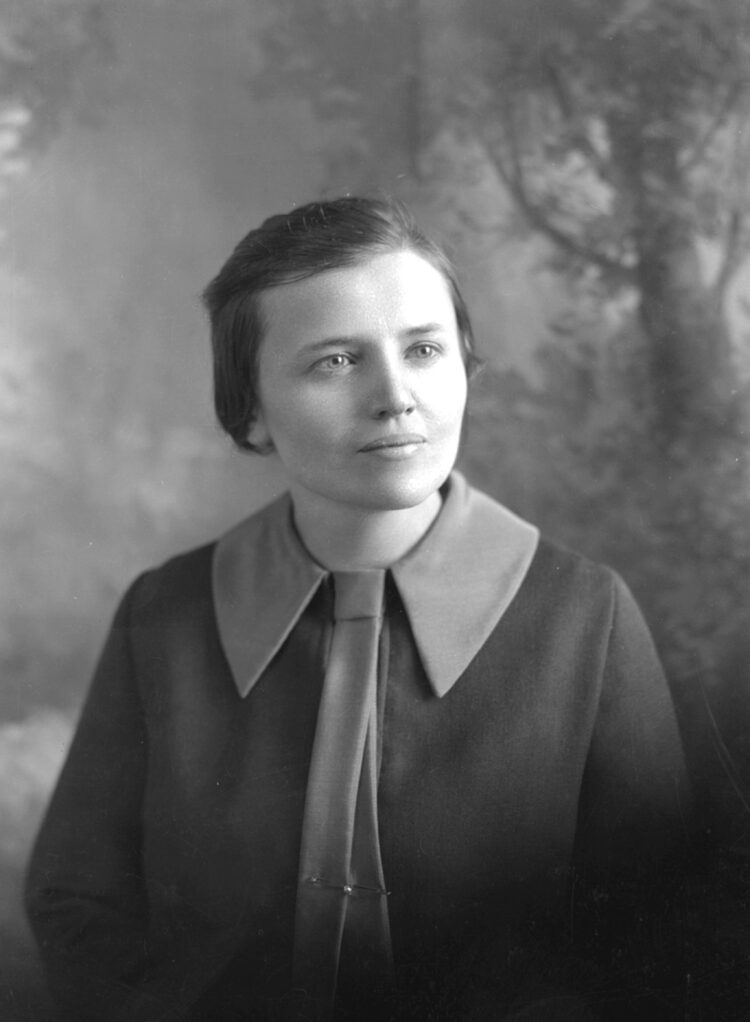
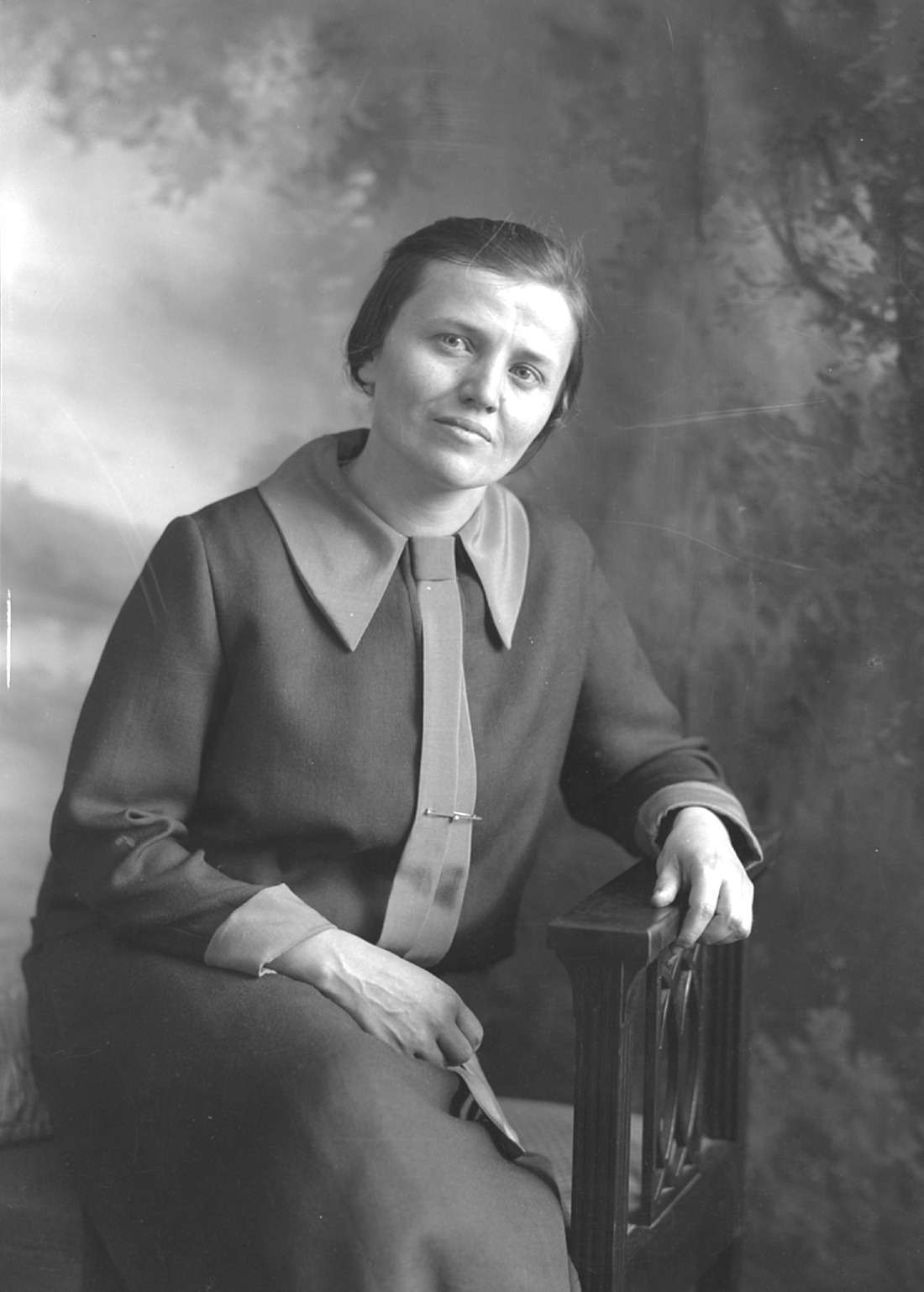
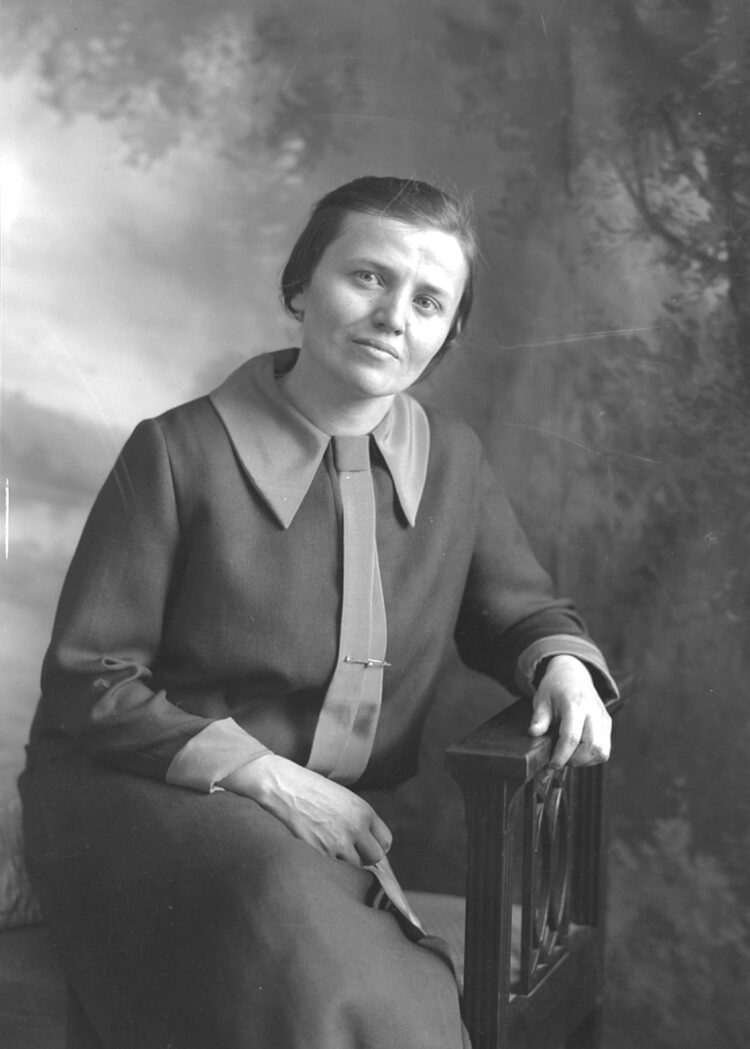
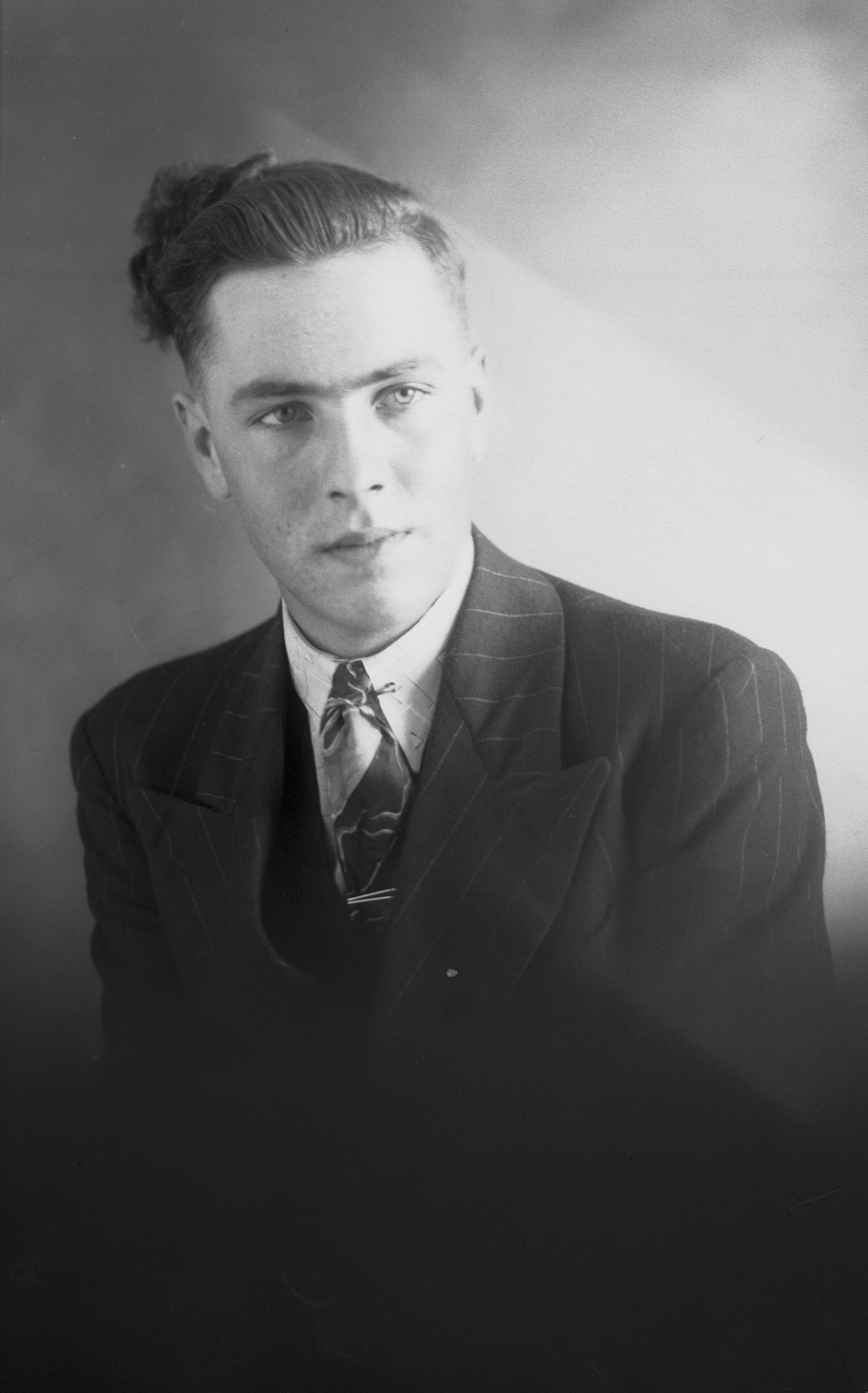
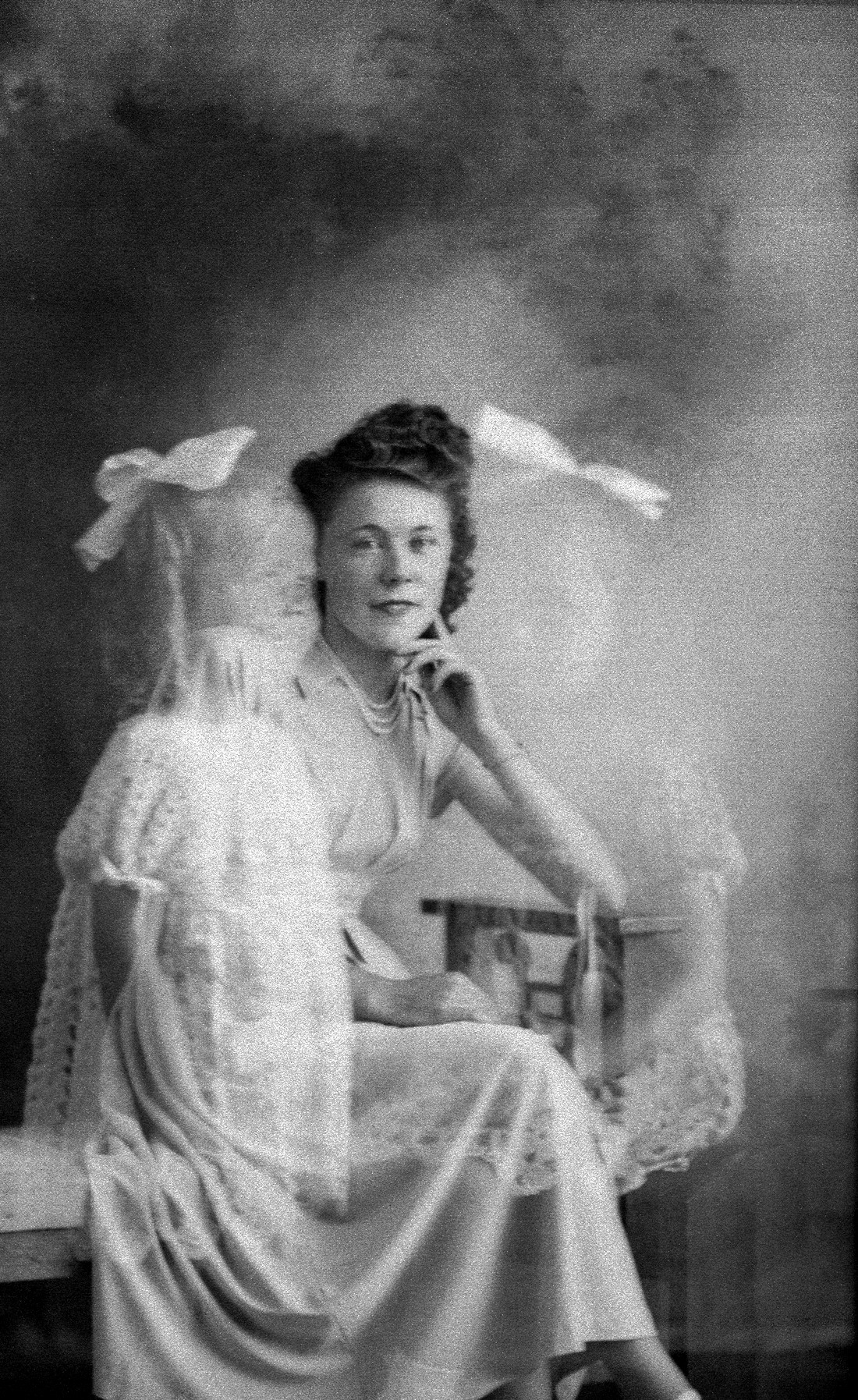
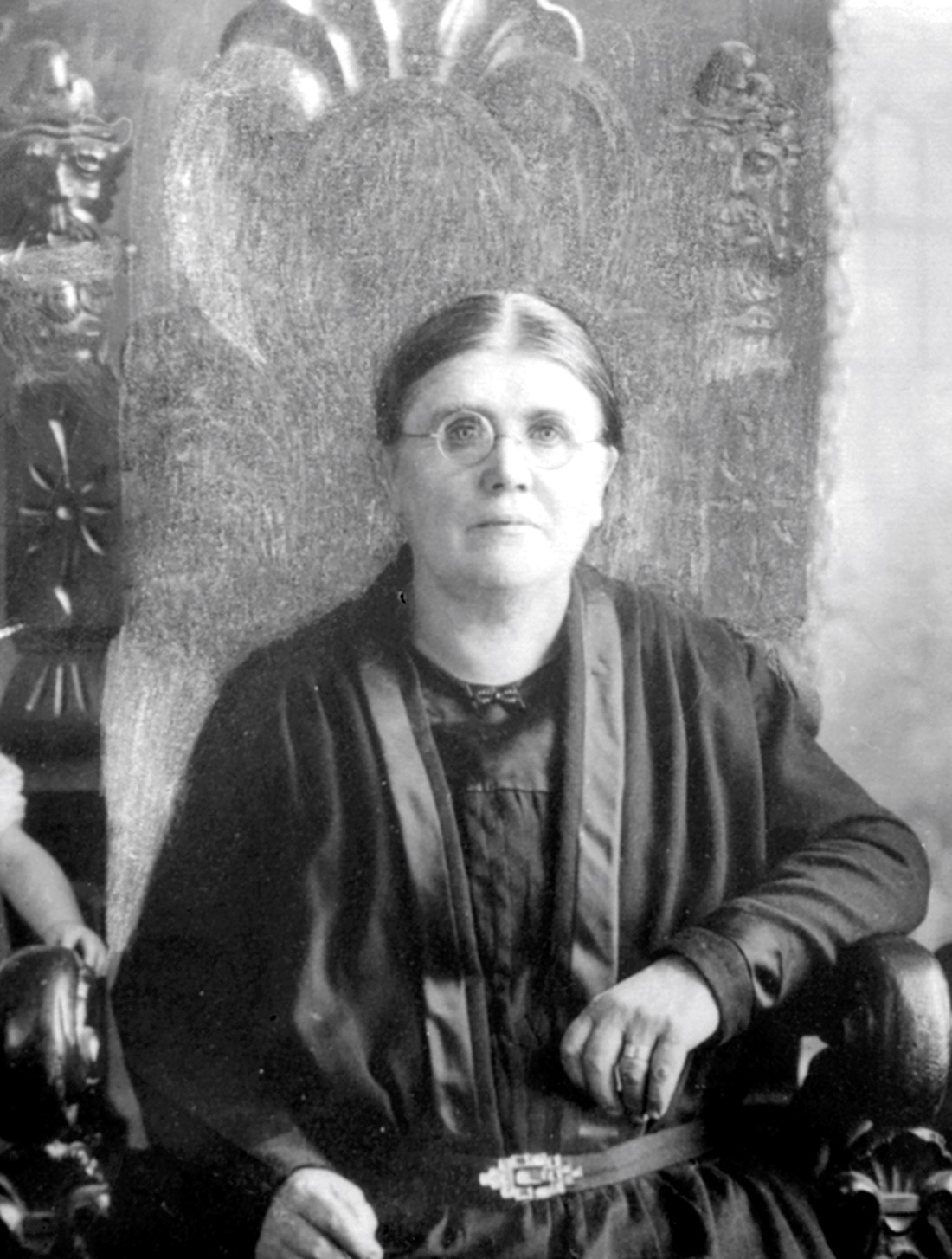
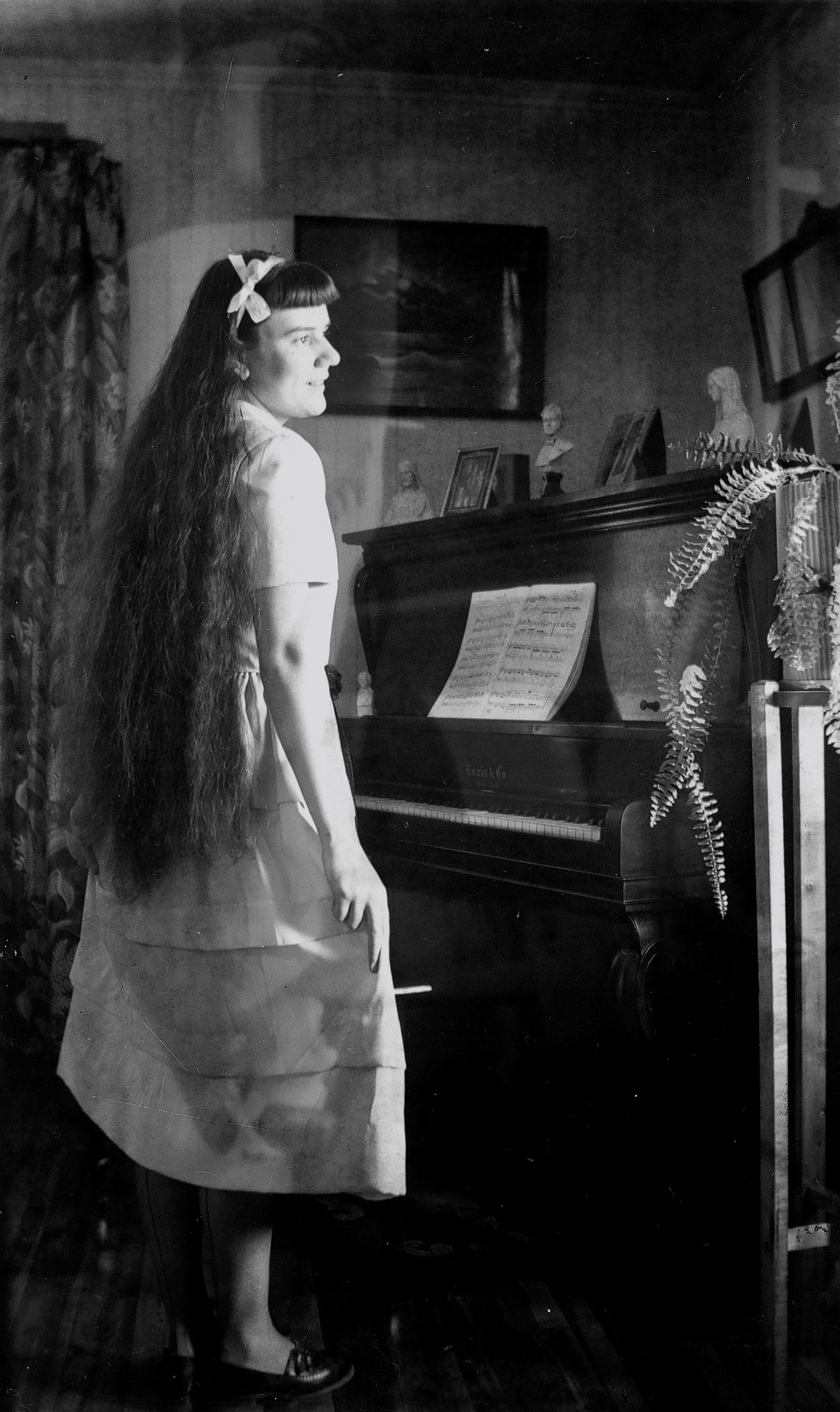
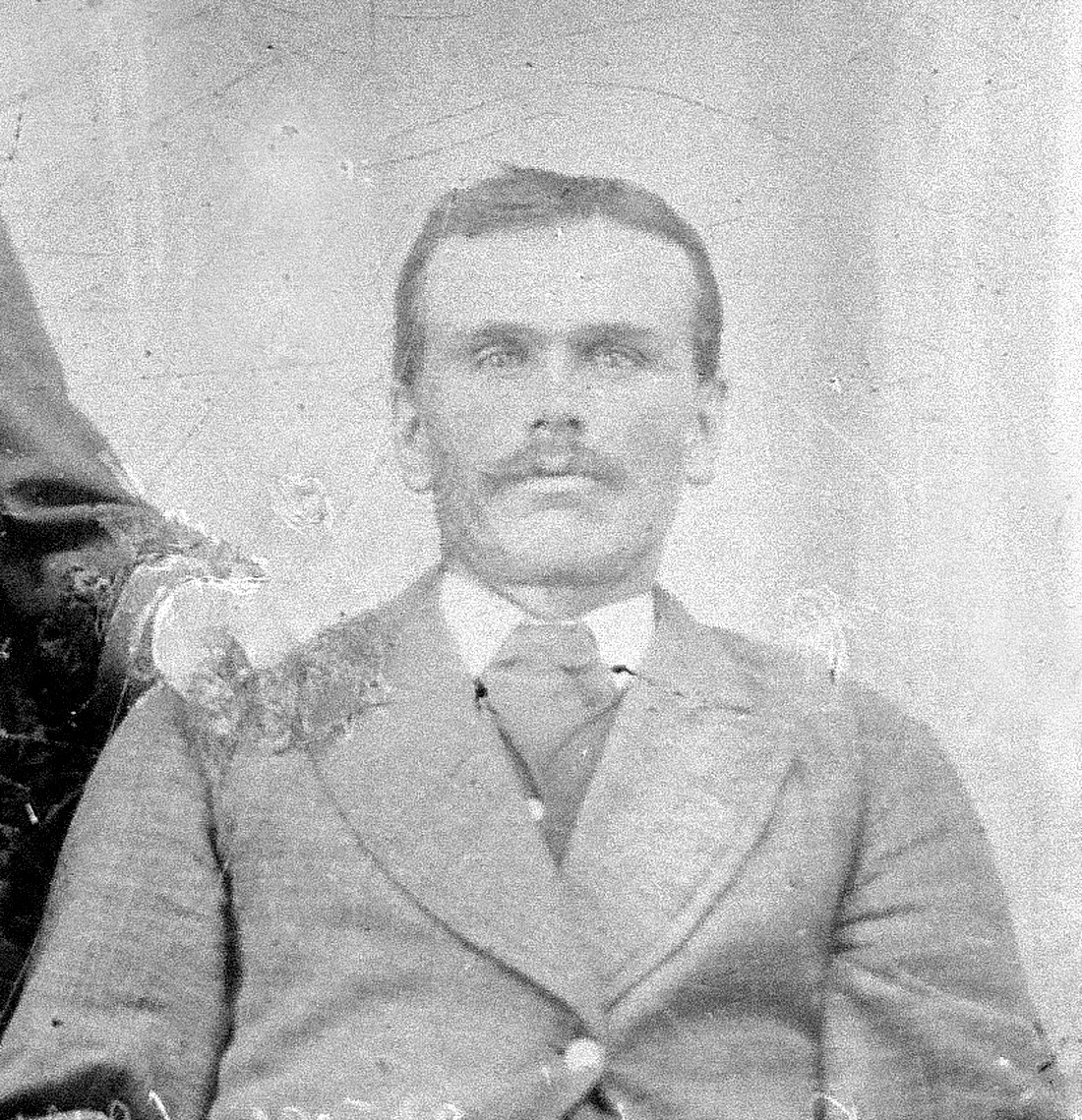
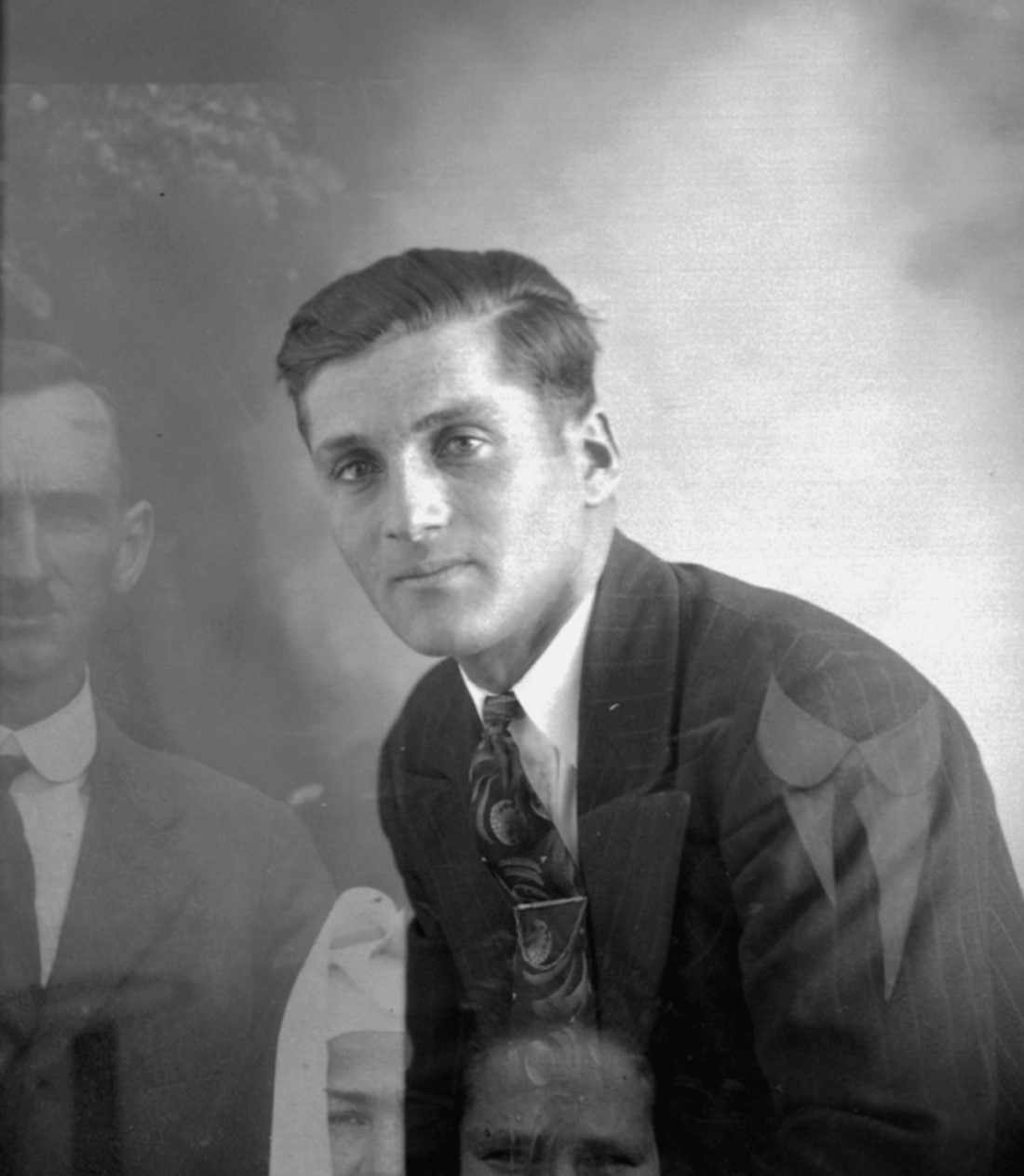
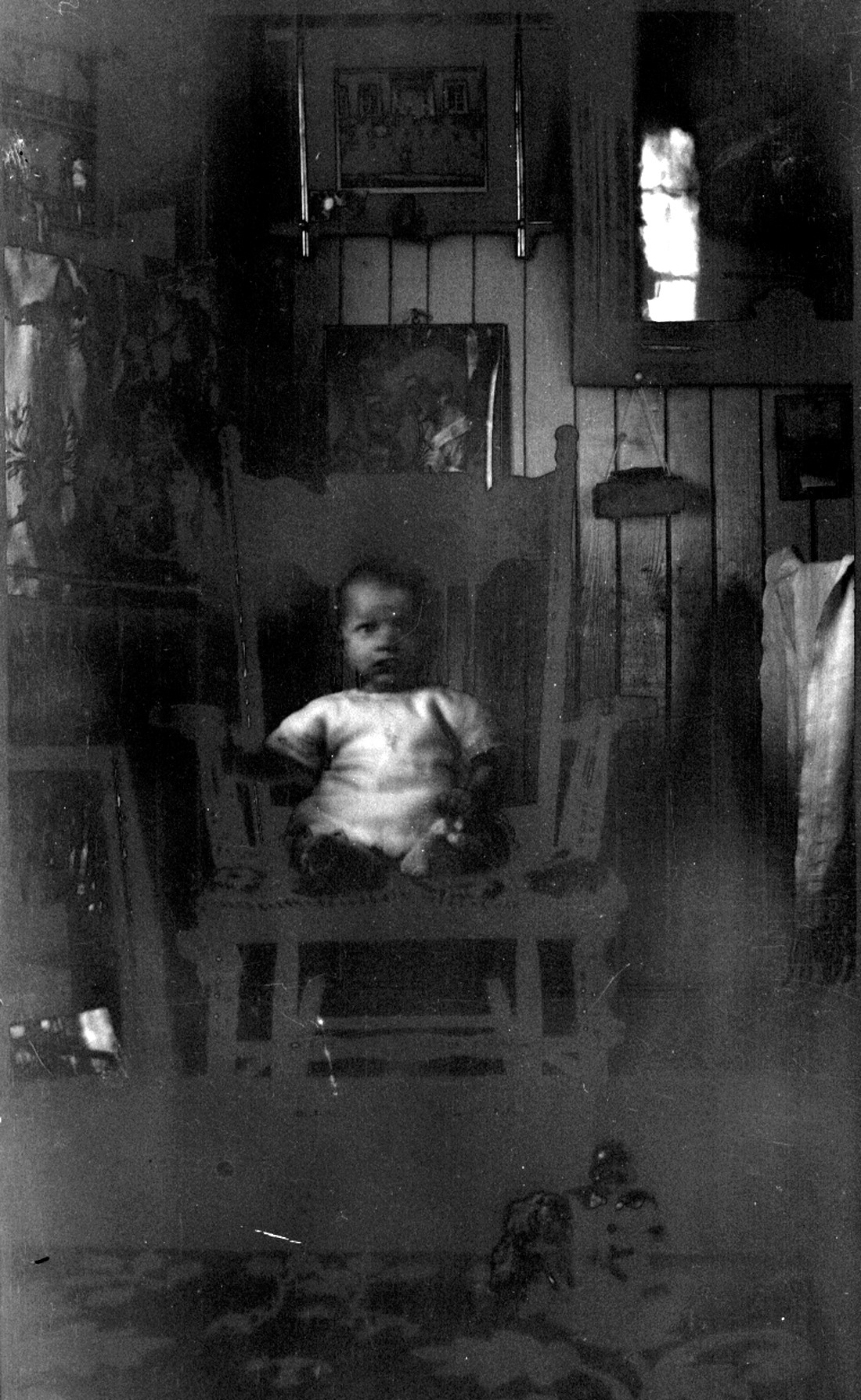
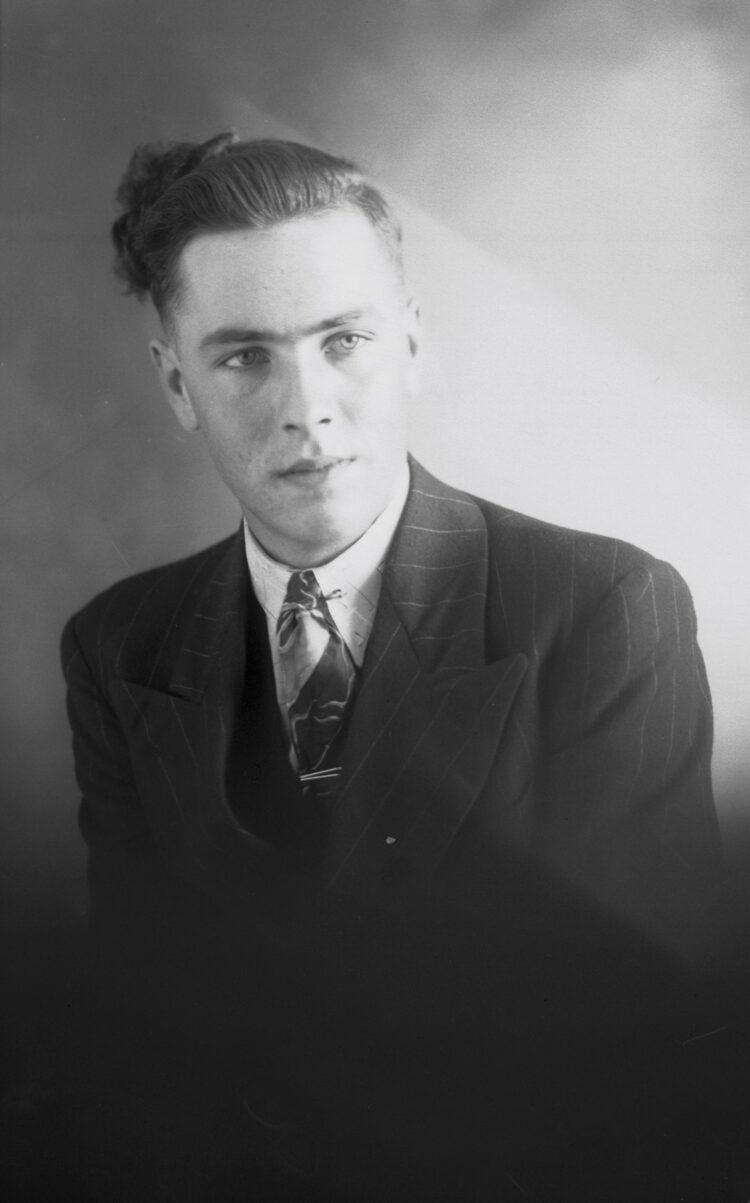
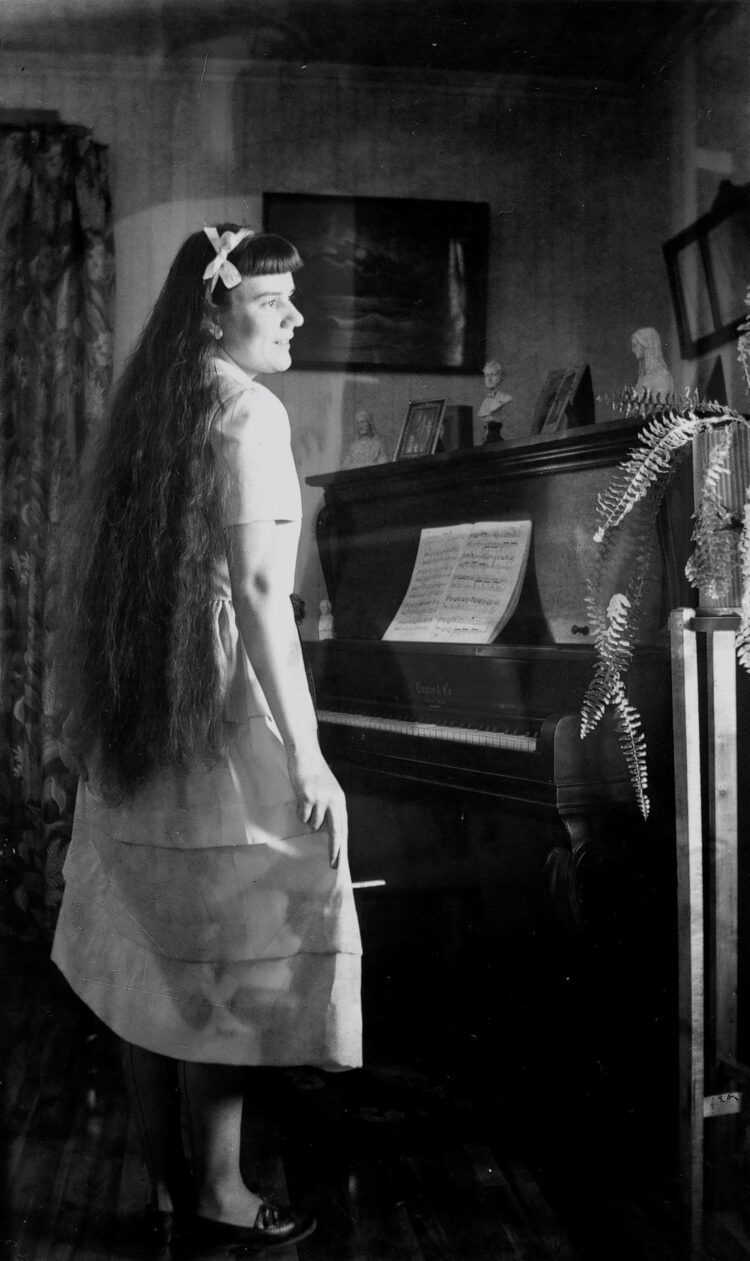
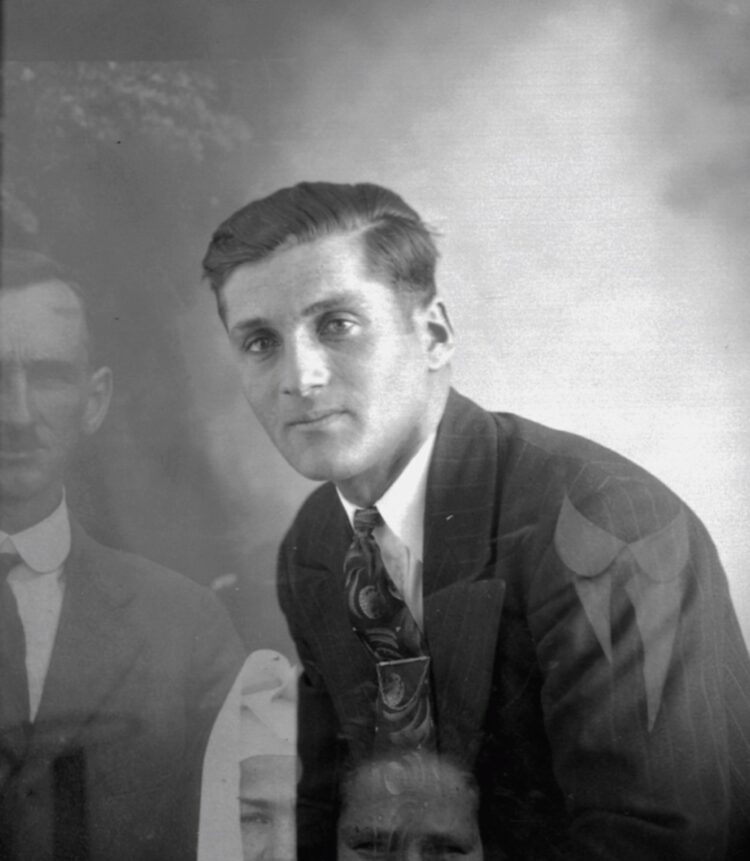
The video begins with a collection of old photographs, including a studio portrait of Marie-Alice Dumont. The video title is displayed, « Faire de la photo à l’époque de Marie-Alice Dumont »(Marie-Alice Dumont, Taking Photos in Marie-Alice Dumont’s Time).
0 :08 – 0 :18
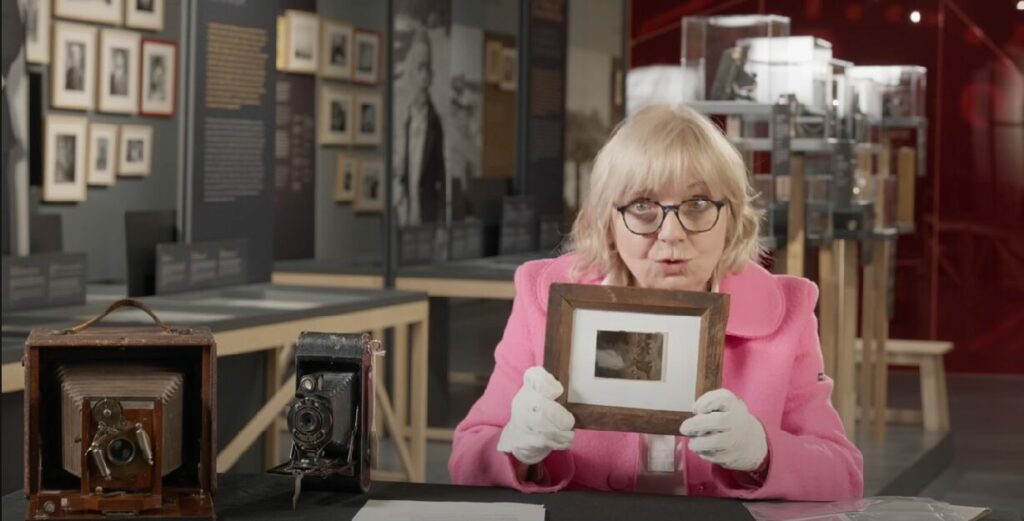
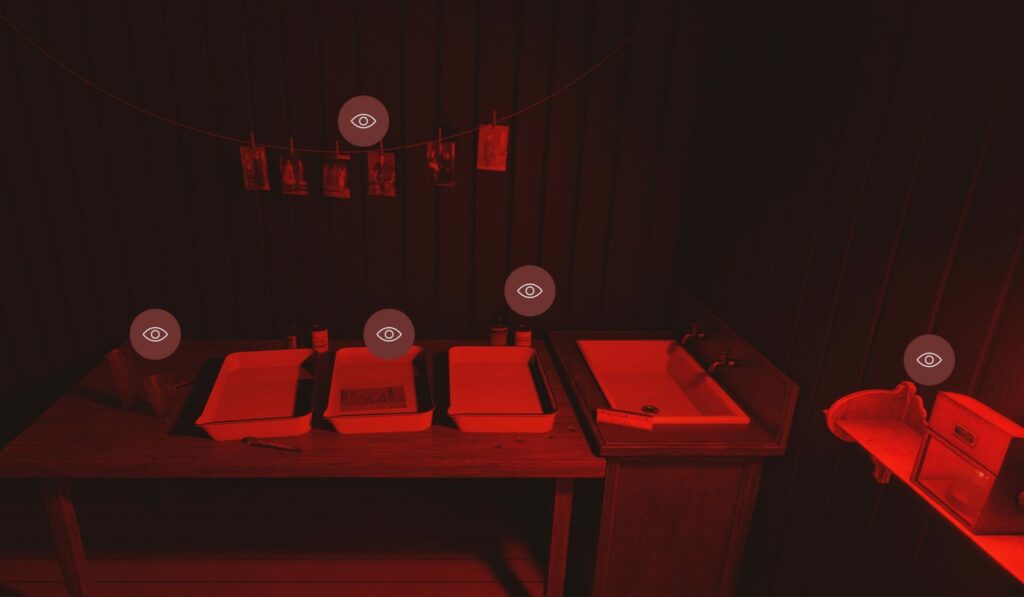
Shot of the interviewed expert, Madeleine Marcil, art and photography historian and photographer. She is standing in front of a table where several photographic artifacts are located. Behind her is the Visages et Paysages (Faces and Landscapes) exhibition from the Musée du Bas-Saint-Laurent.
Madeleine Marcil speaks:
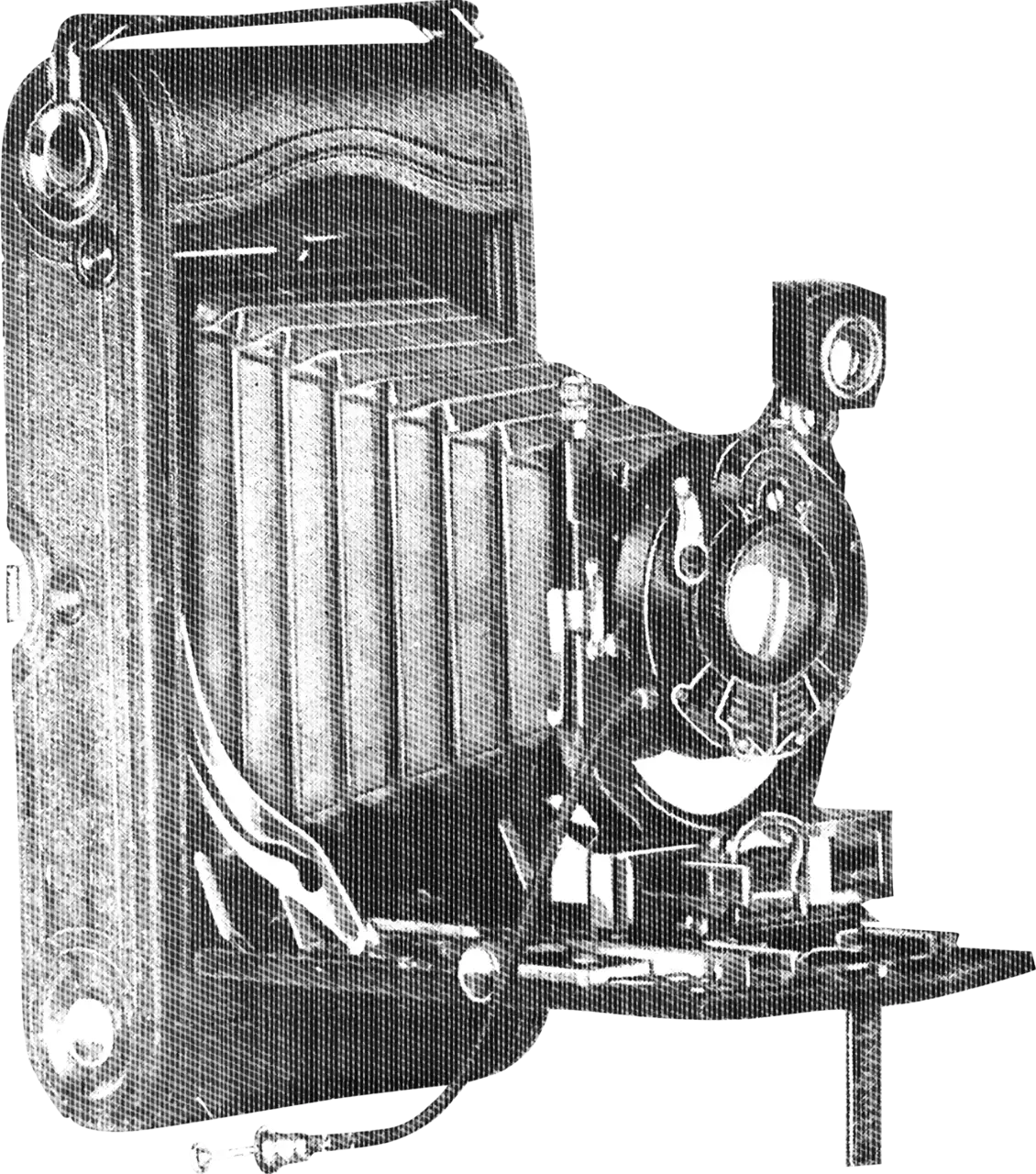
Marie-Alice had different cameras throughout her career. Among others, different Brownies, different Kodaks, including this one, which belonged to her.
0 :18 – 0 :23
Close-up on a Kodak brand camera.
Madeleine Marcil continues:
She also had an 8×10 camera, different formats.
0 :24 – 1 :09
Back to a shot of Madeleine Marcil, who continues speaking while handling the photography equipment:
She had her 8×10 camera modified to be able to use negatives of different sizes. That’s quite interesting. She also had a lens that she had shipped from England. She is someone who is quite concerned about quality. As for the film, obviously, she used silver halide film, which differs greatly from digital. It’s obviously a much longer process; she has to buy the film, put it in the camera, take photos, then she has to develop the film in total darkness, and then she only sees the result as a negative. So, what does she do with the negatives? This is what we call a contact printing frame, I’ll show you a little bit how it works.
1 :10 – 1 :18
Close-up on Madeleine Marcil’s manipulation of the contact printing frame, a square wooden frame with a removable section on the back.
Madeleine Marcil continues her explanations:
We could use this when there was no electricity, but even afterward, when there was electricity, it was really one way to make photographs.
1 :18 – 1 :26
Back to a shot of Madeleine Marcil who speaks while opening the contact printing frame:
We take the negative, …
1 :26 – 1 :37
Close-up on the contact printing frame, Madeleine Marcil places a negative and a sheet of white paper inside.
Madeleine Marcil continues speaking:
… we place the negative, the sensitized sheet of paper; obviously, you mustn’t do this in daylight.
1 :37 – 1 :40
Back to a shot of Madeleine Marcil who speaks:
We place everything, we close…
1 :40 – 1 :46
Close-up on the contact printing frame, Madeleine Marcil closes it by placing the removable section inside.
… that.
1 :47 – 3 :17
Back to a shot of Madeleine Marcil who resumes her explanations:
… and what we’re going to do is the photograph is made really by contact, but you have to take all of this, we really take it to the windowsill usually, that’s really the best light source. Then, obviously, we remove all of that. That requires you to truly know photography to be able to know that on such a day, with that much sunlight, it takes about this many minutes depending on the negative; it requires a lot of knowledge. And then, obviously, the negative would have been in contact with the sheet, what that gives you, you notice that it’s exactly the same size because it’s been in contact and it was made. To decorate, people had paper cutters with lace all around. This was done as much in the countryside as in the big cities, even in studios like Notman’s in Montreal, they had contact printing frames. All of that, obviously, was when there was no electricity. When electricity arrived in the village, in 1929, at that point it was easier for the studio and for all the work, but she still continued [to do contact printing] and people also continued to do contact printing, it was really something that was very important. So, we close the back.
3 :18 – 3 :25
Close-up on the contact printing frame. Madeleine Marcil closes the back of it.
Madeleine Marcil continues speaking:
So the arrival of electricity, obviously, allowed her to use an enlarger, which she had, to make different sizes.
3 :26 – 3 :41
Back to a shot of Madeleine Marcil who continues her explanation:
There is also one element that is very interesting: the presentation of photos. When we see a negative, often, well, we get the impression, « Did the photographer choose all of that? Is it a bit unusual? » No, no, he will truly choose what he wants when he makes the proof, whether it’s by contact or by enlargement.
3 :42 – 3 :44
Close-up shot of a black table on which cameras, including a « Kodamatic Shutter, » are placed next to documents.
Madeleine Marcil speaks:
Marie-Alice ran her studio from…
3 :45 – 3 :48
Very close-up shot of a framed print signed « Marie-Alice Dumont. »
Madeleine Marcil continues her explanations:
… 1925 to 1961. She was really someone who stayed in…
3 :49 – 3 :51
Very close-up shot of a 1950 Christmas card signed by Marie-Alice Dumont on which there is a photo of her and a note saying: « Meilleurs souhaits pour Noël et pour le nouvel An » (Best wishes for Christmas and the New Year).
We still hear Madeleine Marcil speaking:
… contact with her clients. She even sent Christmas cards to…
3 :52 – 3 :57
Shot of an advertising flyer from Marie-Alice on which is written, among other things, « Mesdames, Mesdemoiselles, Messieurs. Votre portrait est toujours un cadeau appréciable et apprécié? […] Marie-Alice Dumont photographe St-Alexandre de Kamouraska » (Ladies, Misses, Gentlemen. Your portrait is always an appreciated and valuable gift? […] Marie-Alice Dumont photographer St-Alexandre de Kamouraska).
Madeleine Marcil continues:
… her clients. Also, she did her own advertising. Marie-Alice Dumont really had…
3 :58 – 4 :01
Back to a shot of Madeleine who concludes:
… the entrepreneurial spirit.